Tuesday Dec 16, 2025
NEWSLETTER
www.israelhayom.com
  • Home
  • News
    • Israel
    • Israel at War
    • Middle East
    • United States
  • Opinions
  • Jewish World
    • Archaeology
    • Antisemitism
  • Lifestyle
    • Food
    • Travel
    • Fashion
    • Culture
  • Magazine
    • Feature
    • Analysis
    • Explainer
  • In Memoriam
www.israelhayom.com
  • Home
  • News
    • Israel
    • Israel at War
    • Middle East
    • United States
  • Opinions
  • Jewish World
    • Archaeology
    • Antisemitism
  • Lifestyle
    • Food
    • Travel
    • Fashion
    • Culture
  • Magazine
    • Feature
    • Analysis
    • Explainer
  • In Memoriam
www.israelhayom.com
Home Commentary

What can Purim teach us today?

The mitzvot of Purim – Mishloach Manot and Matanot La'Evyonim – are designed to strengthen a sense of unity among all the different parts of our people.

by  Rabbi Avi Berman
Published on  03-13-2025 09:00
Last modified: 03-13-2025 14:19
What can Purim teach us today?Moshe Shai

Purim in Tel Aviv | Photo: Moshe Shai

Share on FacebookShare on Twitter

Purim, one of the most joyful and unique holidays in Judaism, is fast approaching. Preparing properly in accordance with Jewish law allows us to make the most of the celebration and fulfill its mitzvot in the best way possible. Here's a short guide addressing common questions:

In most years, Yerushalayim celebrates Shushan Purim on the day after the rest of the country. But this year, since Shushan Purim falls on Shabbat, Yerushalayim will experience a "Purim Meshulash," with the holiday unfolding over the course of three days. On Thursday night and Friday morning, the Megillah is read and matanot l'evyonim (gifts to the poor) are distributed, along with the rest of the country. On Shabbat, a special Torah portion for Purim will be read, in addition to the regular parsha. Then, on Sunday, people will exchange Mishloach Manot and have their Purim meal.

1. Megillah Reading

One of the central mitzvot of Purim is reading Megillat Esther. It is read both in the evening and in the morning (this year, the evening of March 13 and the morning of March 14).
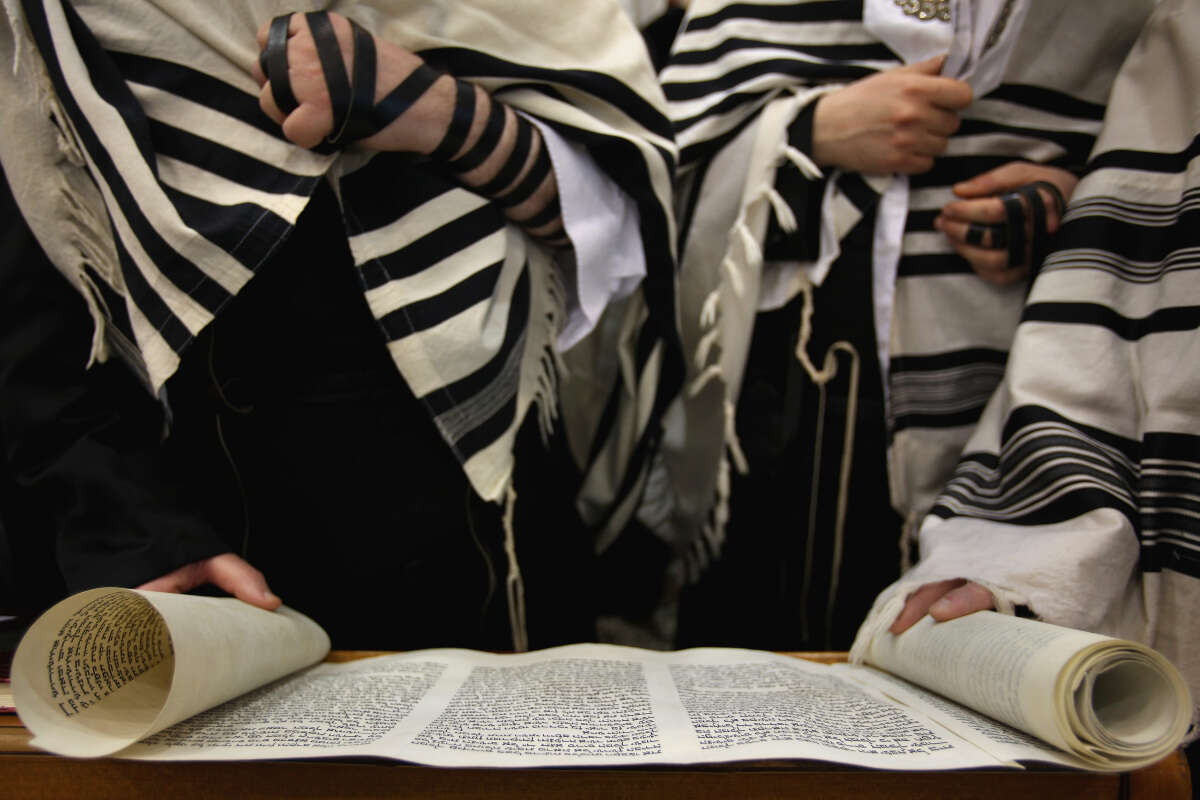
Ultra-Orthodox Jews reading of the Scroll of Esther during Purim festival prayers at the Vishnitz Chassidic synagogue on February 28, 2010, in Bnei Brak (Photo: David Silverman/Getty Images) Getty Images

2. Mishloach Manot

The mitzvah of Mishloach Manot requires sending at least two food items to at least one person. The food must be kosher and ready to eat, and the purpose is to foster connection and unity. This is a great chance to reach out not just to friends but also to those who may feel lonely, such as bereaved families or people who are often overlooked.

3. Matanot La'Evyonim

It is a mitzvah to give charity to those in need on Purim. The minimum requirement is to give two gifts to two different needy individuals, with each gift worth at least the price of a meal. However, it is encouraged to give more if possible, to help ensure that even the poor can celebrate Purim properly.

4. The Purim Meal

The Purim meal is an essential part of the holiday and takes place during the day, after the Megillah has been read. One should make sure the meal is festive and happy, accompanied by strong drinks. According to the halacha, there is no requirement to have wine specifically, but there is a general obligation to experience deep joy on this day.

This year, since Purim falls out on a Friday, it is best to start the meal before midday or at least finish it early so that one can enter Shabbat with an appetite.

However, there are those who follow the approach mentioned in the Gemara, known as "pores mapah u'mekadesh." This means beginning the Purim meal about half an hour before Shabbat starts, with everything already prepared for Shabbat. When Shabbat begins, one lights the Shabbat candles, says Kabbalat Shabbat, and then makes Kiddush (without the blessing on wine if it was already said earlier). Then everyone eats challah (without an additional blessing) and continues the meal into Shabbat. After the meal, one prays the Maariv for Shabbat.

Video: Courtesy

This year, we celebrate Purim in the shadow of war, with 59 of our brothers and sisters still held hostage in Gaza, and the constant threats that surround us. Purim reminds us, just like we read in the story in the Megillah, that our ability to withstand external enemies starts with internal unity.

Haman, who sought to destroy the Jewish people, made this observation himself: "There is a certain people, scattered and divided." From the enemy's perspective, all Jews are the same. He wants to destroy us all, regardless of our differences in opinions or beliefs. Yet he also recognizes our internal divisions and sees them as a weakness to exploit. The mitzvot of Purim – Mishloach Manot and Matanot La'Evyonim – are designed to strengthen a sense of unity among all the different parts of our people. For it is only when we are truly united that we can overcome our adversaries and we can have true joy.

Purim Sameach!

Tags: JudaismPurim

Related Posts

Israel must strengthen its 'neighborhood bully' image

Israel must strengthen its 'neighborhood bully' image

by Meir Ben Shabbat

The elimination of Ra'ad Sa'ad, a senior commander in Hamas' military wing in the Gaza Strip, was a necessary step...

When the West excuses terrorism, violence comes to its shores

When the West excuses terrorism, violence comes to its shores

by Ariel Kahana

Across the Arab world, in China and in Russia, there is an iron fist against radical Islam. In the liberal...

Israel looks away as the Jewish world is under fire

Israel looks away as the Jewish world is under fire

by Yoav Limor

The terrorist attack at a Hanukkah event at Bondi Beach exposes a double failure: Australian intelligence did not thwart the...

Menu

Analysis 

Archaeology

Blogpost

Business & Finance

Culture

Exclusive

Explainer

Environment


Features

Health

In Brief

Jewish World

Judea and Samaria

Lifestyle

Cyber & Internet

Sports


Diplomacy 

Iran & The Gulf

Gaza Strip

Politics

Shopping

Terms of use

Privacy Policy

Submissions

Contact Us

About Us

The first issue of Israel Hayom appeared on July 30, 2007. Israel Hayom was founded on the belief that the Israeli public deserves better, more balanced and more accurate journalism. Journalism that speaks, not shouts. Journalism of a different kind. And free of charge.

All rights reserved to Israel Hayom

Hosted by sPD.co.il

  • Home
  • News
    • Israel at War
    • Israel
    • United States
    • Middle East
    • Sports
  • Opinions
  • Jewish World
    • Archaeology
    • Antisemitism
  • Lifestyle
    • Food
    • Travel
    • Fashion
    • Culture
  • Magazine
    • Feature
    • Analysis
    • Explainer
    • Environment & Wildlife
    • Health & Wellness
  • In Memoriam
  • Subscribe to Newsletter
  • Submit your opinion
  • Terms and conditions

All rights reserved to Israel Hayom

Hosted by sPD.co.il

Newsletter

[contact-form-7 id=”508379″ html_id=”isrh_form_Newsletter_en” title=”newsletter_subscribe”]

  • Home
  • News
    • Israel at War
    • Israel
    • United States
    • Middle East
    • Sports
  • Opinions
  • Jewish World
    • Archaeology
    • Antisemitism
  • Lifestyle
    • Food
    • Travel
    • Fashion
    • Culture
  • Magazine
    • Feature
    • Analysis
    • Explainer
    • Environment & Wildlife
    • Health & Wellness
  • In Memoriam
  • Subscribe to Newsletter
  • Submit your opinion
  • Terms and conditions

All rights reserved to Israel Hayom

Hosted by sPD.co.il