


You probably know that too much caffeine isn't good for your body if you consume it regularly, but caffeine can also worsen anxiety symptoms. You might develop insomnia, nervousness, and restlessness. This powerful stimulant naturally found in coffee beans increases anxiety by accelerating bodily functions.
Can caffeine cause anxiety?
More than 400 milligrams of caffeine per day (about 4–5 cups of coffee) might increase the risk of anxiety and panic attacks in people sensitive to it. Caffeine can be so powerful that "caffeine-induced anxiety disorder" is a subcategory in the Diagnostic and Statistical Manual of Mental Disorders (DSM-5).
"The natural effects of caffeine stimulate various sensations, such as faster heartbeat, body warming, increased breathing rate – all things that mimic anxiety," said Susan Bowling, doctor of psychology and psychologist at Cleveland's Women's Health Center to the Health website. "Psychologically, it's difficult for the brain to understand that it's not anxiety because it feels the same."
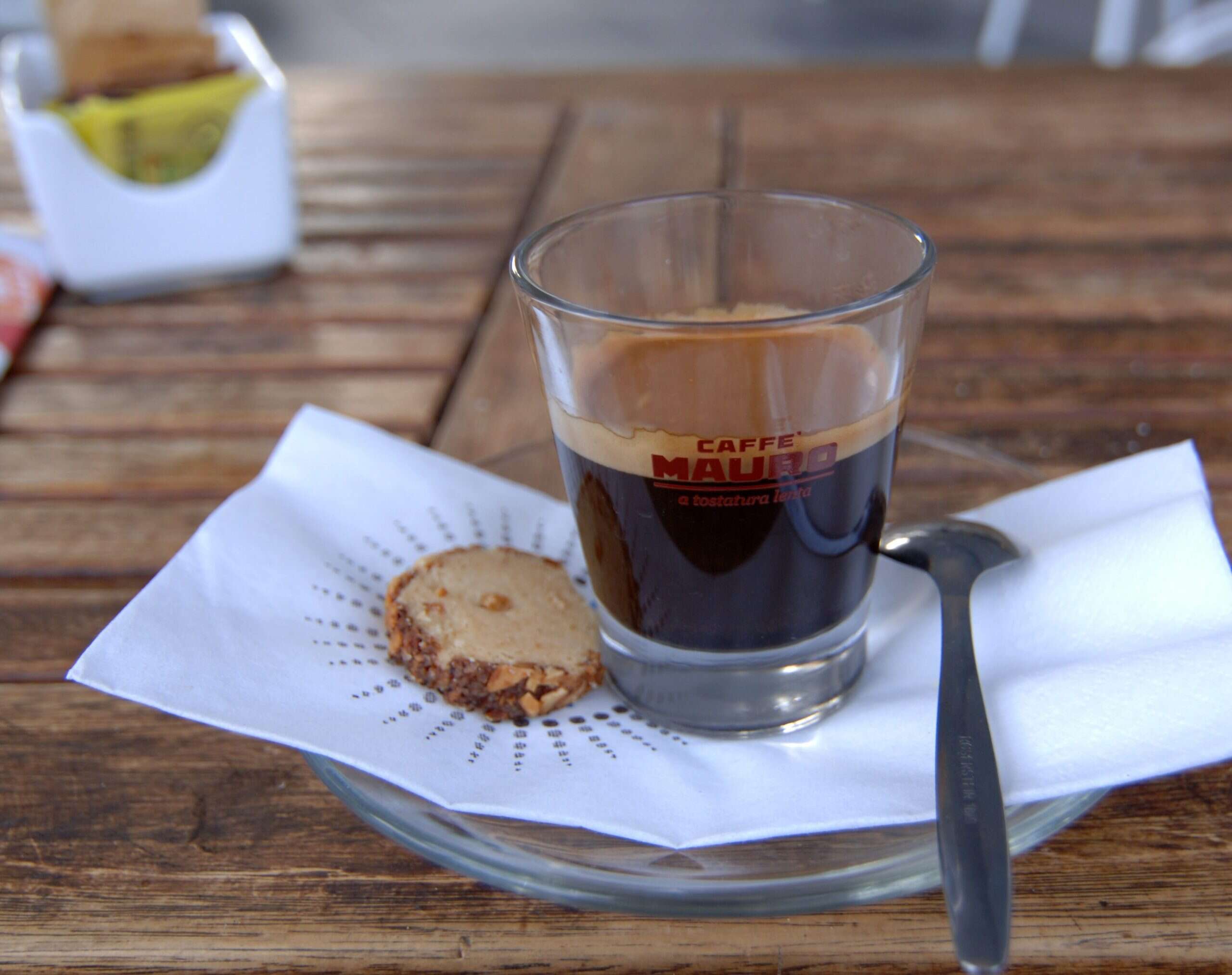
Caffeine is the most consumed psychoactive substance in the world, but it doesn't affect everyone the same way. "It depends on your body," said Bowling. "Some people can handle a little caffeine, and others are very sensitive to it. It's mainly based on your genetics." People sensitive to caffeine's effects may break it down more slowly than others.
Astrid Nehlig, brain scientist and research director at INSERM, explained to the Women's Health website that there's a certain genetic variation that can interfere with how your body regulates dopamine, making you more sensitive to caffeine. However, the variation is "fairly rare, affecting only about five percent of the population," she notes.
In addition, this gene variation also indicates "slow caffeine metabolism," said Nehlig – meaning your body takes longer to break down caffeine. You'll likely only know you have this genetic variation if you've had genetic testing through your doctor.
The metabolism factor also affects your sensitivity to coffee. "The population is divided equally between fast and slow metabolism, especially when it comes to coffee. The amount of time coffee stays in the body can be a determining factor in how sensitive people are to caffeine," said Nehlig. This is why some people can drink multiple cups of coffee in a short time without problems, while others start feeling nervous or anxious after just one cup.
Common signs of caffeine-induced anxiety include, headaches, insomnia, nervousness, restlessness, and sweating. Bowling also gave several recommendations for diagnosing "coffee anxiety." "Keep a journal of caffeine's effect for a week," said Bowling. Besides counting every cappuccino you sip, track other hidden caffeine sources you might consume, such as decaffeinated coffee, cola, chocolate, medications or supplements, energy drinks, and mint candies or snacks with added caffeine.
The following week, eliminate all caffeine while keeping the rest of your diet and activities unchanged. "For people with anxiety, they often notice an improvement in their anxiety levels," said Bowling.
How can you fix the coffee and anxiety problem?
"L-theanine" is an amino acid naturally found in beverages like matcha and green tea – where the compound helps to relax and feel less stressed, and can help with coffee anxiety.
More from Israel Hayom
- Not immediately after waking up, the right time to drink coffee that will really wake you up
- We found the perfect pot for the upcoming holiday
- Advertisement | The cheap card that could cost you dearly
- How much coffee is too much coffee?
- Drinking culture, the many traditions that developed around coffee around the world
Experts recommend consuming L-theanine supplements, but currently there isn't enough research supporting this or examining the supplement's implications. However, various doctors do recommend consuming it, but not adding it to coffee – rather consuming it from natural sources, like matcha or green tea as mentioned.


