


Trump administration officials convened an urgent White House Situation Room meeting Tuesday as the president weighs diplomatic negotiations against military intervention with Iran, with sources indicating the next two days will prove decisive in determining the path forward. The high-stakes deliberations came as President Donald Trump escalated his public warnings to Tehran's leadership, declaring on social media that US forces maintain "complete and total control of the skies over Iran."

The president's Tuesday meeting with senior advisers occurred amid intensifying rhetoric toward Iran's regime, with Trump specifically targeting Supreme Leader Ayatollah Ali Khamenei in pointed social media statements. ABC News reported that Trump wrote online that Khamenei "is an easy target, but is safe there – We are not going to take him out (kill!), at least not for now. But we don't want missiles shot at civilians, or American soldiers. Our patience is wearing thin."
US negotiators continue evaluating Iran's weakened position, with multiple diplomatic sources suggesting Tehran could be compelled to return to negotiations and ultimately accept terms requiring complete abandonment of nuclear enrichment activities. ABC News indicated that despite Trump's public warnings, American officials assess Iran's vulnerability creates an opening for renewed diplomatic engagement.

As Israeli and Iranian forces exchange attacks, Tehran has indicated readiness to restart discussions with Washington, according to officials involved in the diplomatic process. The Trump administration seeks more substantial commitments before stepping back from military preparations, sources told ABC News.
Should Iran return to negotiations and agree to halt uranium enrichment, US officials anticipate a high-level meeting led by Special Envoy Steve Witkoff and potentially Vice President JD Vance could occur within days. However, this scenario demands rapid Iranian action, as Trump has publicly acknowledged his diminishing patience with the Middle Eastern crisis.
Sources familiar with the president's thinking describe his growing frustration with Iran's destabilized government's failure to provide immediate responses to American demands. Trump appears highly reluctant to allow a situation where Tehran appears to have successfully challenged his military threats, according to these officials.
The US military has begun repositioning assets toward the region, including additional aircraft and a second aircraft carrier with its strike group heading to the Middle East – movements officials characterize as defensive measures. Defense Secretary Pete Hegseth described the American stance during a Monday Fox News interview, stating "We're strong, we're prepared, we're defensive and present."
While asset repositioning aims to protect an estimated 40,000 American troops stationed regionally, it simultaneously preserves options for the Trump administration should it choose to directly support Israel's ongoing offensive operations against Iran. A US official emphasized that "It's our role to keep options on the table, but our posture is still defensive."
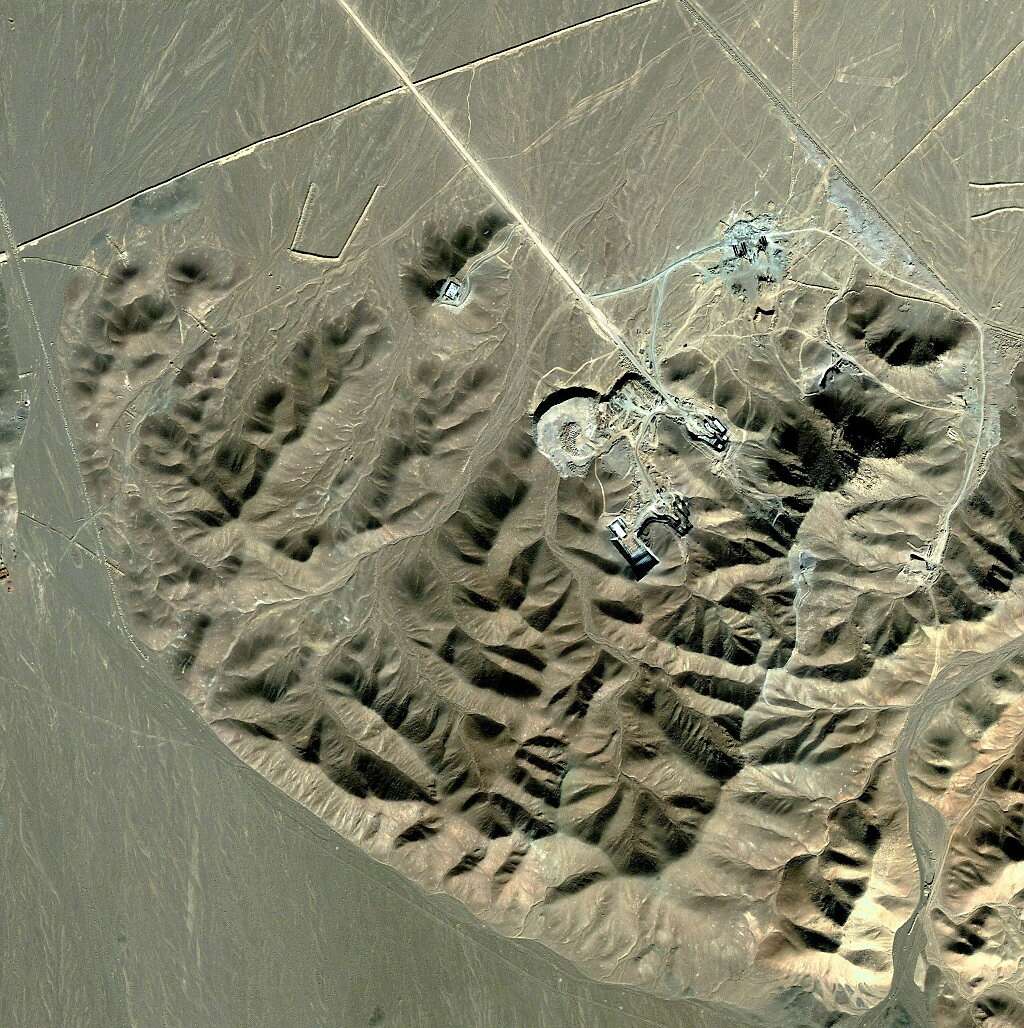
A critical consideration involves potential deployment of B-2 stealth bombers, heavy strategic aircraft capable of carrying 30,000-pound Massive Ordnance Penetrator bunker-buster bombs that might destroy Iran's deep underground nuclear facility at the Fordo Fuel Enrichment Plant. The military's 19 B-2 bombers currently remain at Whiteman Air Force Base in Missouri, though six aircraft were previously stationed at Diego Garcia island in the Indian Ocean, much closer to Iranian territory.
Those aircraft were subsequently replaced by B-52 long-range bombers, which lack the capability to carry bunker-buster bombs necessary for targeting the Fordo site. Approximately twelve US Navy vessels currently operate in Bahrain's territorial waters without official assignments, including a littoral combat ship, four minesweepers, and six water patrol craft, according to Defense Department officials.
The Navy maintains two destroyers in the Red Sea, an aircraft carrier, and three additional surface ships in the Arabian Sea. Two more American destroyers patrol the eastern Mediterranean Sea, each equipped with missile defense systems capable of intercepting Iranian ballistic missiles.
Indicators that the Trump administration may be moving toward military action could include cancellation of the president's planned Netherlands travel for next week's NATO summit. State Department spokesperson Tammy Bruce told reporters Tuesday that the summit remained "on the books" but acknowledged circumstances could change based on Iranian developments.
Bruce noted that "This is something that is moving – as things tend to – very rapidly. So, I would say that anything is possible." Trump already departed early from the G7 summit in Canada, cutting short his Monday participation to monitor the Middle Eastern situation from the White House.


