

A senior official told Syrian state television, aligned with the Islamist regime in Damascus, that recent declarations about the possibility of a peace agreement with Israel were premature.
According to the official, "It is impossible to discuss new agreements before the occupation fully commits to the 1974 disengagement accord and withdraws from the areas it invaded."
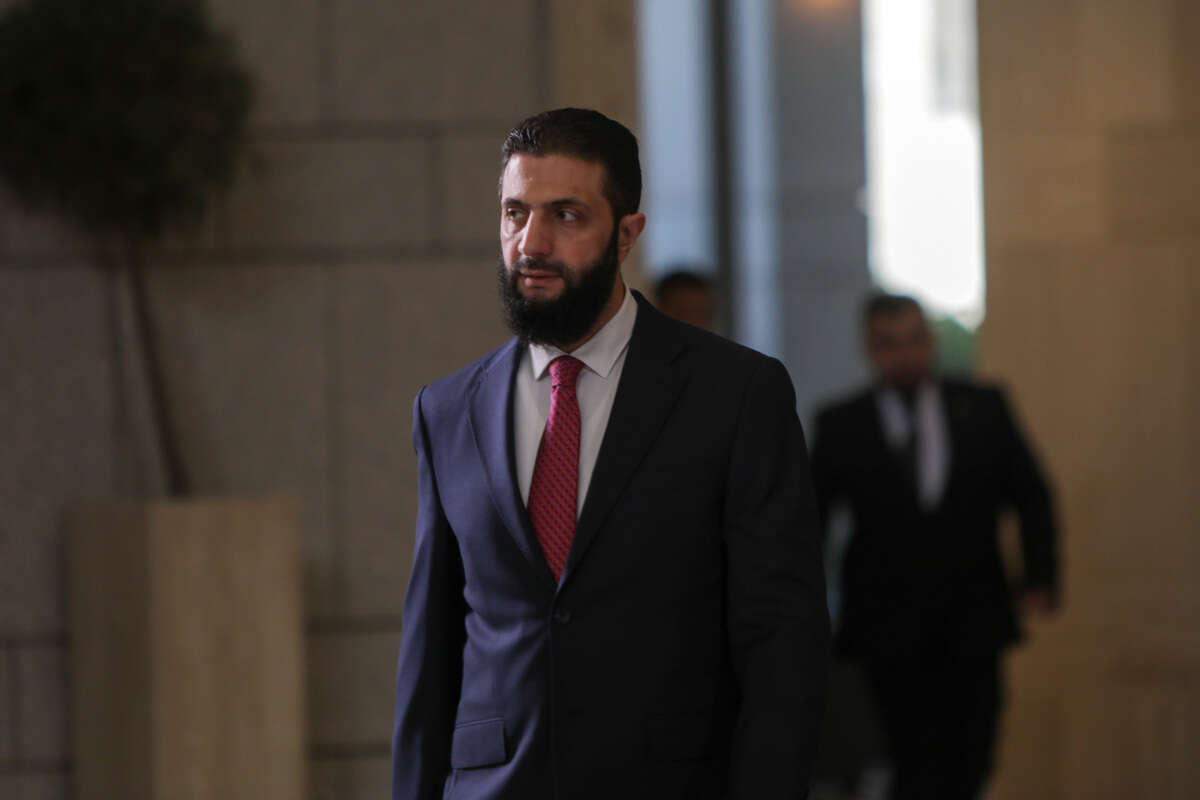
Syrian list of demands
Arab media reports indicate that the new government in Damascus, headed by Ahmad al-Sharaa (also known as al-Julani), has laid out a series of conditions for any deal with Israel:
- Official Israeli recognition of the new Syrian leadership.
- Withdrawal of Israeli forces from territories captured after December 8 — the date of the Assad regime's collapse.
- A commitment by Israel to halt its military strikes and operations in Syria.
- Security arrangements for southern Syria, particularly near the border.
- US support for al-Sharaa's government and the lifting of all American sanctions. (This week, the White House announced it was lifting most sanctions.)
Nonetheless, observers speaking to the Lebanese channel LBCI warned that al-Sharaa's rule is facing significant domestic obstacles to normalization with Israel. According to the report, hardline elements strongly oppose any rapprochement with Israel and have voiced dissatisfaction with al-Sharaa's leadership. Some belong to the former Hayat Tahrir al-Sham, the Islamist coalition previously led by al-Sharaa when he took power.

At the same time, Western diplomatic sources reported that, for now, Israel is only seeking an updated security agreement with the Islamist regime in Syria. According to the Emirati website Aram News, Israel is currently interested in an accord that would effectively nullify the 1974 arrangement with the Assad regime and impose a "new geographic reality" in southern Syria — parts of which Israel has taken control of since Assad's fall in December.


