On April 8, 2024, a week after the targeted killing in Damascus of Iranian General Hassan Mahdavi, Israel Defense Forces leadership understood that Iran would retaliate by launching hundreds of ballistic missiles, drones and cruise missiles toward Israel. When this alarming intelligence reached then-IDF Chief of Staff Herzi Halevi, his immediate response was to pick up the telephone. "Erik," he said into the receiver, "I need your help."
Erik is the middle name of four-star General Michael Erik Kurilla, the departing commander of US Central Command. While subordinates address him as "General," colleagues privately call him "the Gorilla" – a nickname earned through his imposing physical presence and four decades of combat experience. Only his closest friends dare use "Erik."
Three days following that crucial conversation, Kurilla arrived in Tel Aviv and participated in the Chiefs of Staff Forum meeting at the Kirya, where organizers positioned a chair for him at the head table beside Halevi. Together, these two generals orchestrated the brilliant international defense operation that almost entirely neutralized what history would record as "Iran's first missile night." Outside observers noted that the IDF appeared to have two chiefs of staff – an assessment that proved remarkably accurate.
Israel anchored at umbrella's center
That operation allowed Kurilla and Israel to harvest the benefits of extensive military and political groundwork, with Kurilla serving as the central coordinator. Through unwavering determination and exceptional interpersonal abilities, this American general successfully mobilized chiefs of staff across Middle Eastern nations to construct cooperative frameworks that generated regional power beneath an American protective umbrella. He consistently positioned Israel at this umbrella's center, directly alongside him, insisting that Israeli representatives attend every meeting and participate in all briefings.
The historical record of the October 7 war will reserve a distinguished place for 59-year-old General Kurilla. Born in California, raised in Minnesota, and graduated from West Point military academy in 1988, he served in Iraq, Kosovo and Afghanistan before suffering wounds in a bombing during the Battle of Mosul. His appointment as CENTCOM commander came in April 2022, arriving just before the war's outbreak with perfect timing.
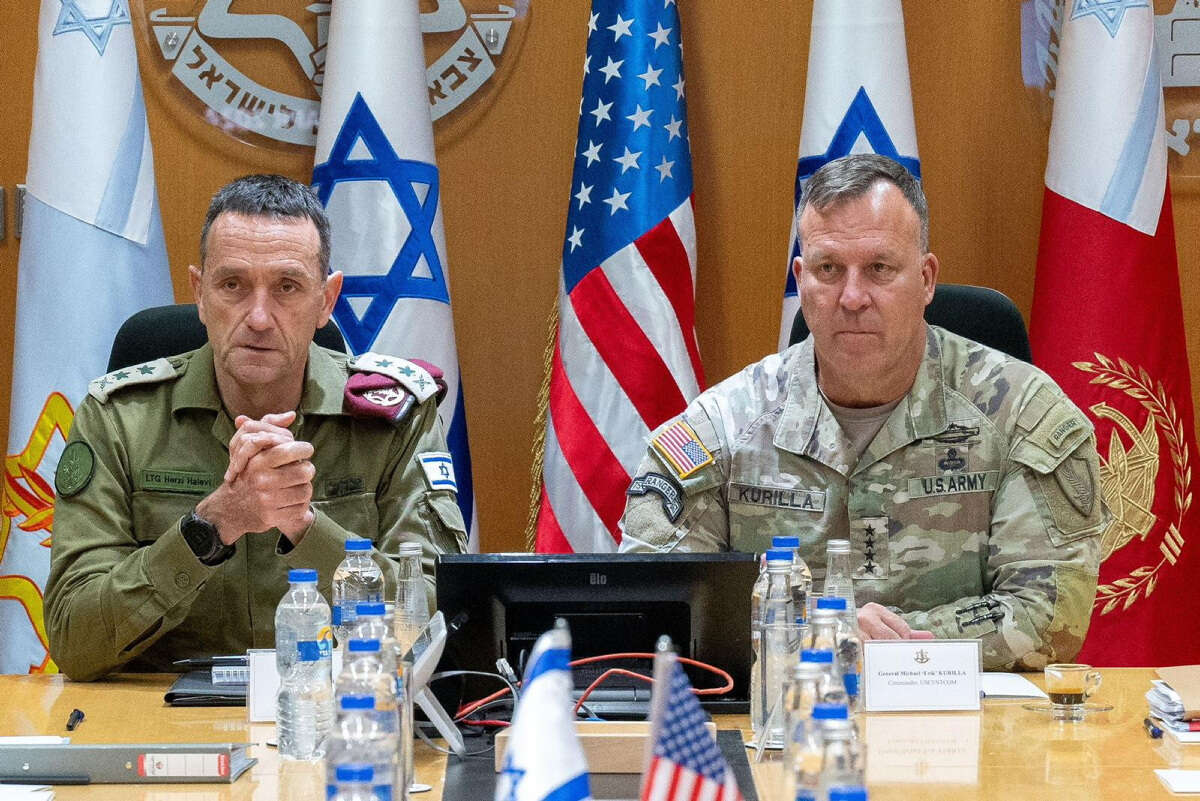
The battle-hardened Kurilla and Halevi developed an unusually close friendship, sustained through dozens of American general visits to Israel, predominantly during wartime. This personal bond between the generals translated into exceptional operational coordination, demonstrated during the first and second missile nights, the audacious "Many Ways" operation targeting the SSRC chemical facility in Syria, and notably the Israeli strike against Iran. This represents merely a partial accounting.
However, Kurilla's wartime role extended beyond military functions to encompass diplomatic advocacy for Israel. As someone answering directly to the president according to American governmental structure, Kurilla understood how to influence President Joe Biden whenever Israel required assistance. Consequently, Kurilla emerged as the pivotal figure who moderated the Biden administration's resistance to operations in Rafah and the Lebanon campaign – two critical war milestones. Where Israel's political leadership and the American administration struggled to coordinate, Kurilla provided the essential bridge. Without his intervention, Israel's strategic position would appear entirely different.
Honoring family commitments
Halevi bequeathed this intimate relationship framework with Kurilla to his successor, Lt. Gen. Eyal Zamir. Reasonable assumptions suggest that Zamir also leveraged his connections with the CENTCOM commander during the persuasion campaign that encouraged President Donald Trump to authorize bombing of Iranian nuclear installations on the operation's final day. This historic achievement represented the culmination of Kurilla's CENTCOM leadership.
Monday will witness Kurilla's farewell ceremony in the United States, marking his military retirement and transition to quality time with wife Paige and their two daughters. IDF Chief of Staff Zamir had coordinated his American work visit to coincide with this event but was compelled to cancel plans after recognizing in recent days that the hostage release and ceasefire agreement had definitively collapsed, requiring his presence in Israel.
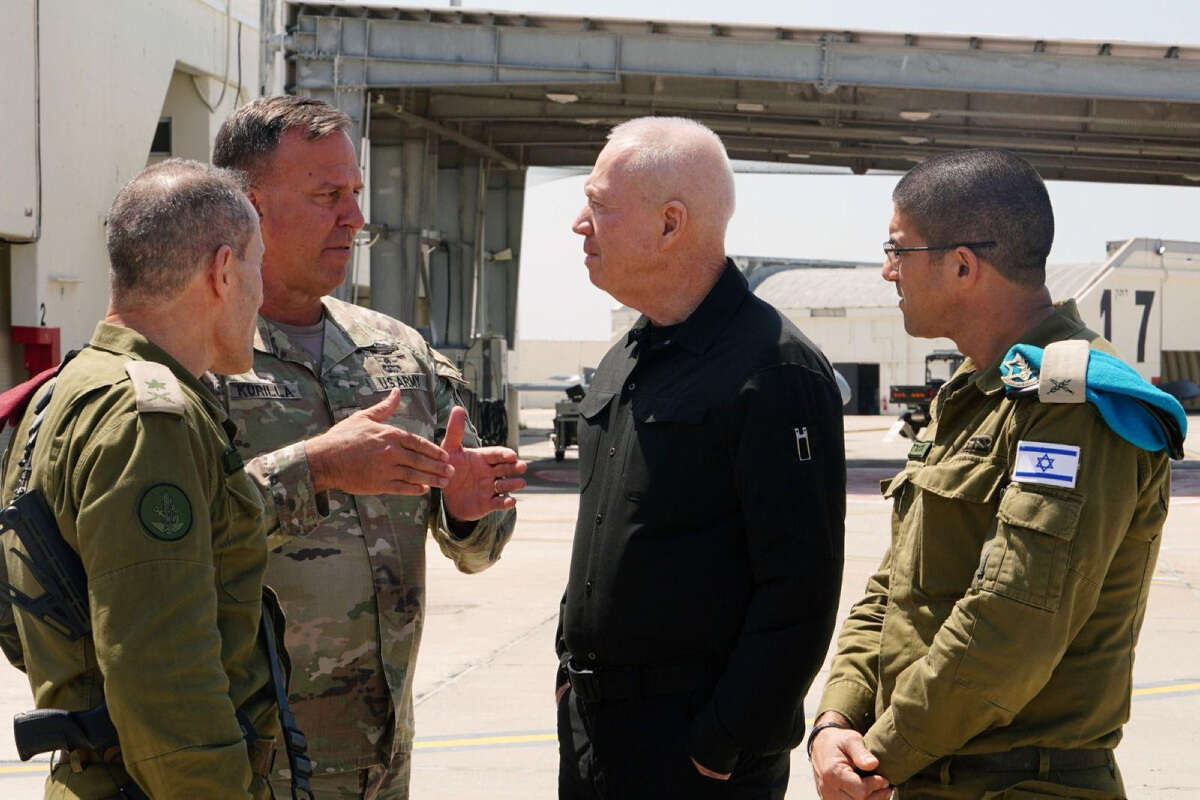
Kurilla's replacement will be his deputy, Vice Admiral Brad Cooper, representing the Navy. Cooper inherits a perfectly functioning regional cooperation mechanism within CENTCOM. Cooper brings extensive Israeli visitation experience and has been responsible for strengthening and expanding maritime collaboration between CENTCOM and the IDF. While the diplomatic Cooper lacks "gorilla" qualities, hopes remain that he will adequately fill his predecessor's role, particularly concerning special IDF relationships. This represents a paramount security interest, making Cooper relationship cultivation a primary objective for Zamir.
Connecting at the eye level
Certainly, Kurilla's commitment to supporting Israel during the war served CENTCOM interests in confronting Iran and its regional proxies while establishing American dominance throughout the Middle East. Ultimately, he remains an American general, not an IDF officer.
Nevertheless, Kurilla's inexhaustible dedication to preserving Israeli security stemmed equally from personal connections established with senior IDF leadership and emotions stirred during his numerous visits. The Tel Aviv hotel where he regularly stayed had recently housed evacuees from Kiryat Shmona. Kurilla made it his practice to sit with them, inquire about their welfare and offer encouragement. Throughout his Israeli tours, he visited dozens of IDF units, not merely to understand their capabilities, but to engage officers and soldiers at eye level. "He genuinely cared," observed someone who accompanied him during several visits.
Definitive evidence of his Israeli connection emerged on Friday during his position's farewell tour when Kurilla arrived in the country for his fortieth visit. For the first time, he visited the Western Wall, appearing in civilian clothing and sunglasses, standing head and shoulders above Western Wall Rabbi Shmuel Rabinovich who welcomed him, appearing entirely comfortable. "My mother always told me that for my support of Israel – God will repay me," he said.