The Prime Minister's Office does not exist, the Foreign Ministry functions partially, and the IDF spokesperson controls everything – these are just some of the findings of "The Great Hasbara Report," which examined the performance of Israel and its representatives in 15 communication crises since the war began.
The report measured the performance and impact of three official hasbara systems (IDF Spokesperson, Prime Minister's Office, and Foreign Ministry) as well as 20 individuals, official and informal, who represented Israel in the 15 crises examined. The events in question include the Islamic Jihad missile strike on Al-Ahli Hospital in 2023, the mistaken strike on World Central Kitchen workers in 2024, the entry into Rafah, and more. In all examined events, Israel was attacked in Western media and social networks as allegedly behaving problematically.
The report, spanning 136 pages, includes a comprehensive series of recommendations for fundamentally improving Israeli hasbara performance. The recommendations are necessary as the study's conclusions are very grim. It was found that the three official bodies representing Israel did not respond at all in four of the 15 crises examined. In the nine other cases, Israel responded, but with an average delay of 19 hours – meaning almost a full day after the event, when media coverage of it was already low. It should be noted that the Prime Minister's Office responded in only four of the 15 incidents. It was also found that even when there was a response, the messages of the hasbara bodies were not identical.

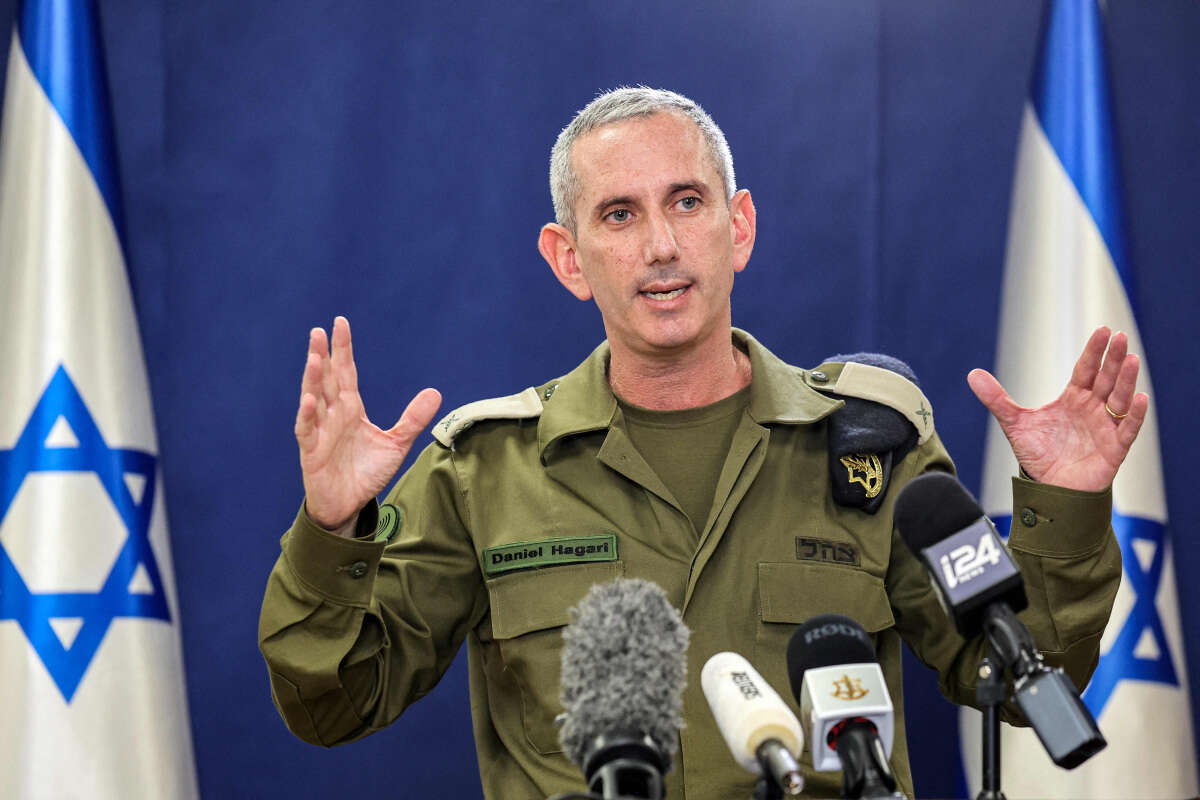
The researchers developed an algorithm to examine how many messages from Israeli spokespeople broke out of the automatic circle and the pro-Israeli circle. It was found that former IDF spokesperson Daniel Hagari received the highest score (7.6) and by a high margin from all other spokespeople. Next after him is actress and hasbara activist Noa Tishby (3.7), American-Lebanese commentator Brigitte Gabriel (3.3) and former UN ambassador Gilad Erdan (3.0). Surprisingly, Yoseph Haddad (1.4), Hananya Naftali (0.9) and Naftali Bennett (0.4) reached the end of the list. This, despite the three being considered prominent advocates for Israel in global media.
The study found that the most effective hasbara tool is conducting tours in the country for influencers and opinion leaders. Time after time, it has been proven that the presence of senior figures from around the world in the field leads to a significant increase in the scope of discourse about Israel, positively. Others subsequently echo their activity, and therefore, the conclusion is that delegation visits are a critical tool that requires expansion.
Conversely, the study recommends reducing the practice of sending delegations of hostages and their family members abroad. This is because the impact of such visits, which was significant at the beginning of the war, is less effective today.
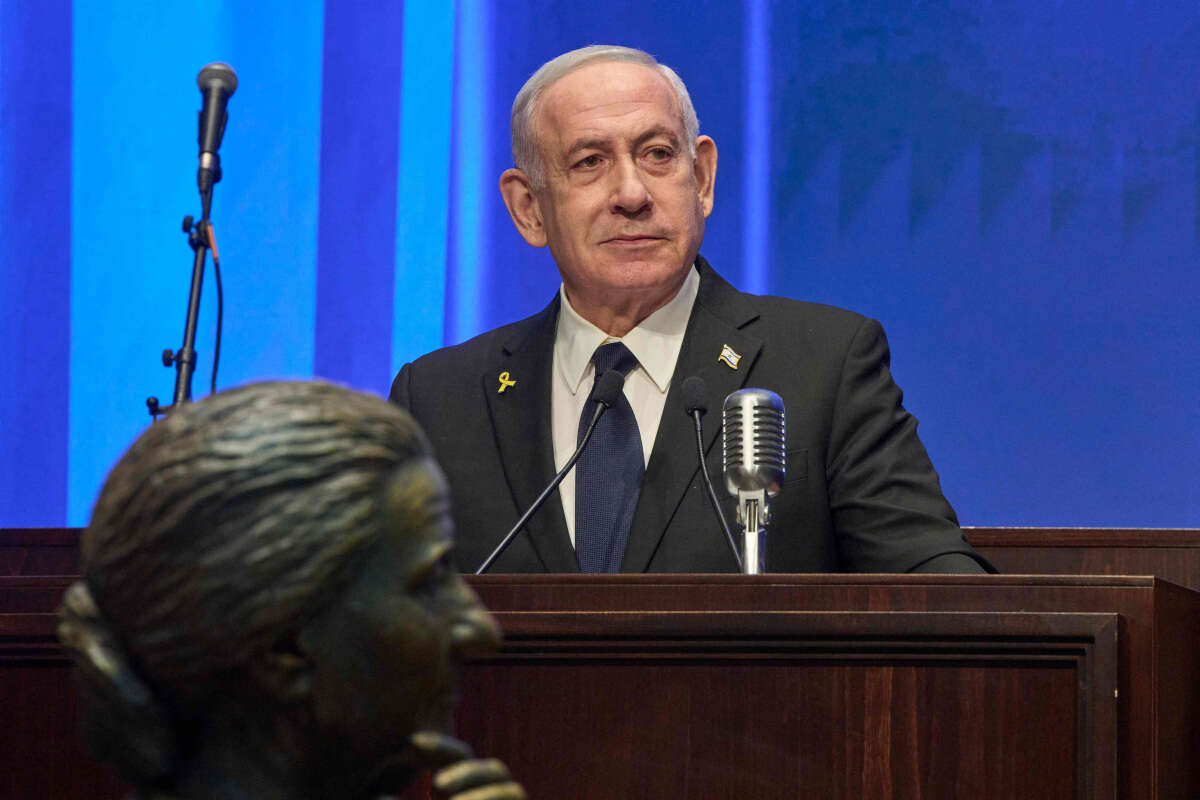
At the Diaspora Ministry, they initiated ordering the study even though their share in the Israeli hasbara apparatus is very minimal. Diaspora Minister Amichai Chikli proposed twice to the prime minister to take responsibility for operating the national hasbara apparatus. Netanyahu, who personally oversaw the activities of the apparatus subordinate to him, rejected the proposal without justification.
It should be noted that the Foreign Ministry received, as part of the 2025 budget, a sum of half a billion shekels ($141 million) for strengthening hasbara. However, for various reasons, eight months after the beginning of the calendar year, only a small part of it is being utilized.
The report was recently transferred to a series of professional sources in the field of hasbara within the government system.