

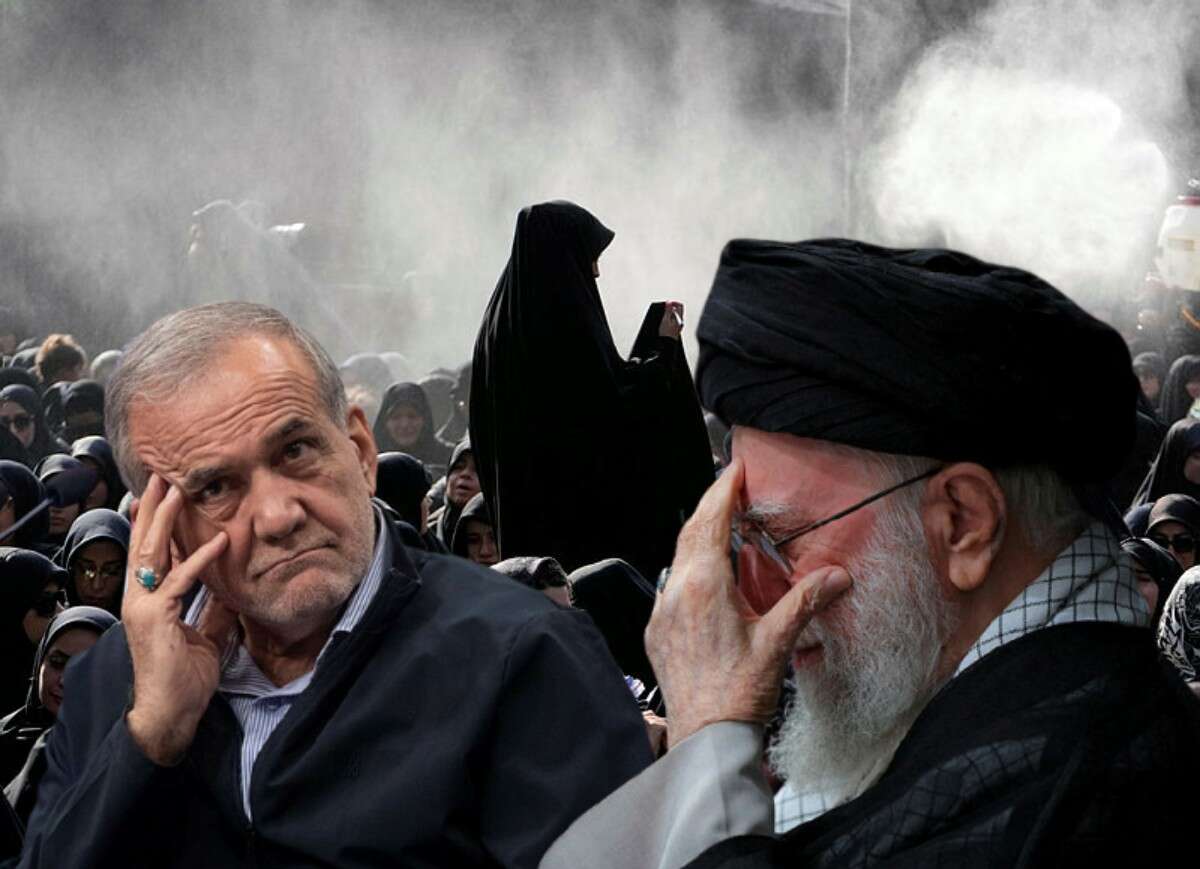
When the Persian proverb "The ladle has hit the bottom of the pot" is used, it means the situation is calamitous, with no solution or hope for change. This was the precise tone emanating from Iranian President Masoud Pezeshkian's speech last week, as he broke with the tradition of not airing dirty laundry in public to openly detail the immense challenges facing the Iranian regime and its people.
The president spoke extensively, declaring, "There is no water in the rivers, in the wells, and in the dams – the water crisis is more severe than ever. The crisis could shut down the country across all sectors." He enumerated a host of other problems, including shortages of electricity, cooking and heating gas, and rampant inflation that official sources now concede has long surpassed 50%. Pezeshkian stressed that Iran is out of options and must perform "difficult surgery on the body of the state."
In a stunning rebuke of the regime's core values, the Iranian president attacked the forced imposition of the hijab, arguing that values must be instilled through education, not coercion. In another extraordinary remark that sounded like capitulation, he asserted that Israel possesses vast intelligence on senior Iranian officials and key facilities. He added that should Iran attempt to rebuild its missile and nuclear programs, Israel would immediately bomb them, causing the entire investment to vanish into thin air.
To a Western observer, such statements might seem logical, even commendable, from a leader warning of collapse and detailing the impact of American sanctions which, he said, "have reduced Iranian revenues to a minimum and collapsed the economy, which cannot be restored in the short term." In revolutionary Iran, however, these are shocking words from the man who is nominally second only to the Supreme Leader, who dictates the agenda on military expansion, terror funding, and the nuclear program.
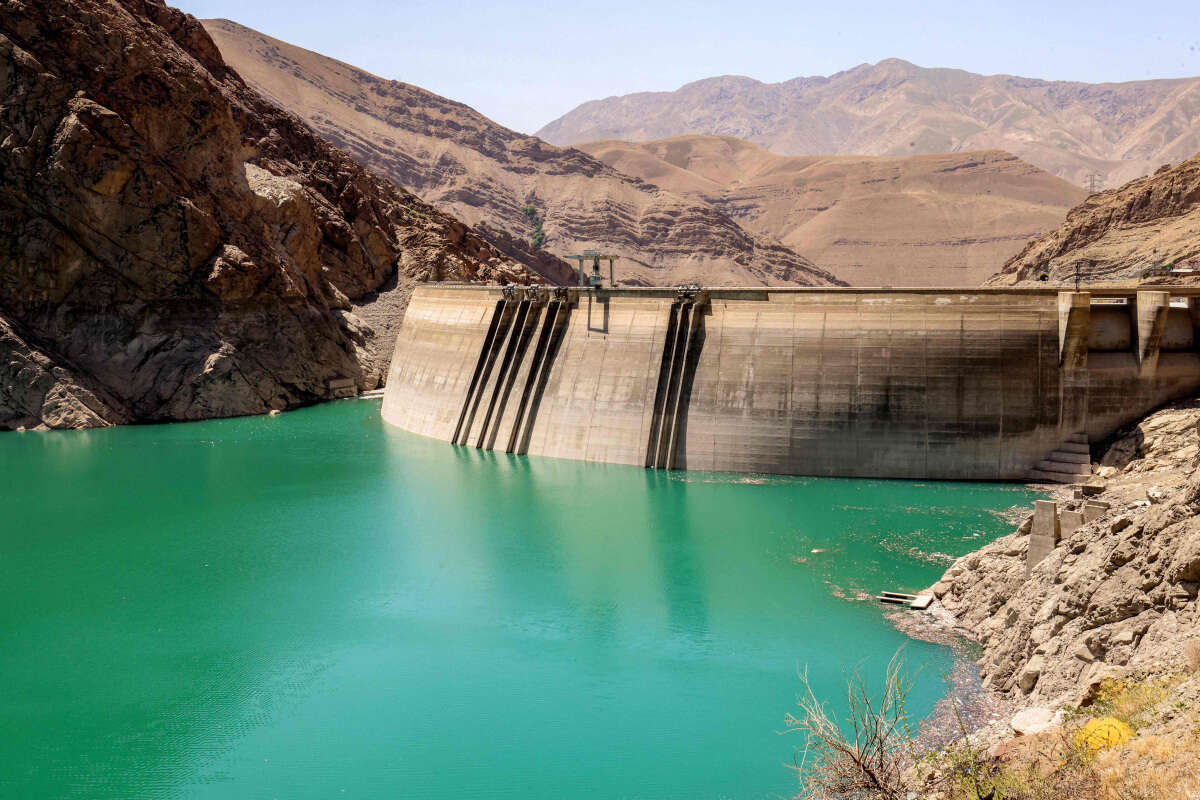
Although the president peppered his speech with assurances of his obedience to the Leader, the very act of exposing Iran's grave condition is an extraordinary event. In the Iran of Leader Ali Khamenei, it has been forbidden since the 1990s to complain about the state of affairs, even when everyone knows "the emperor has no clothes." Detailing the problems, as the president did, is simply not done.
It is important to remember this is not Pezeshkian's first such move; he has detailed Iran's challenges in past speeches. This time, however, was exceptional by any measure, provoking the fury of the Supreme Leader's messengers in the conservative media.
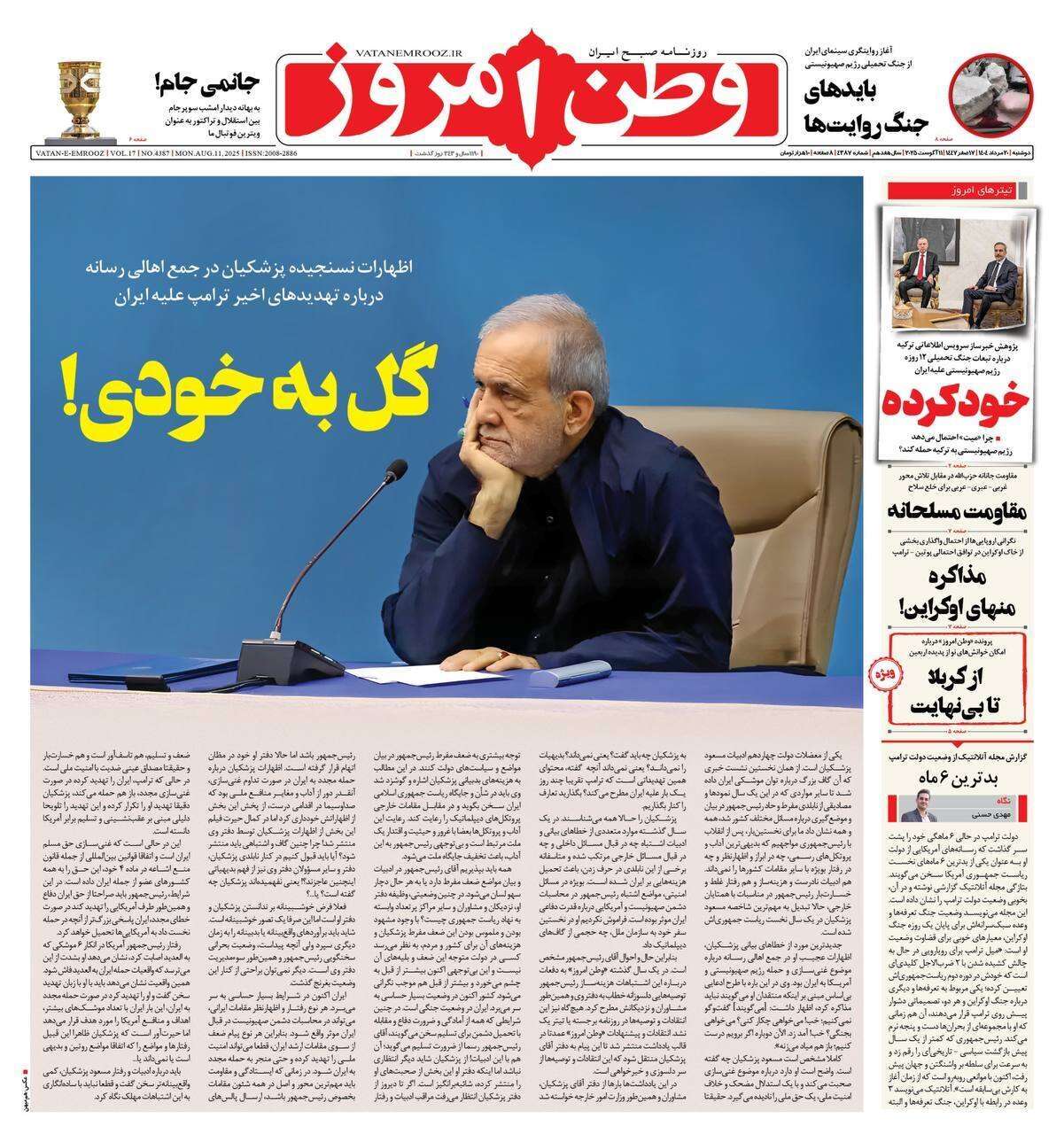
Immediately following the president's defeatist address, the Tasnim website, an outlet affiliated with the Islamic Revolutionary Guard Corps, attacked him. It insisted such statements undermine Iran's leverage in any future negotiations and harm the national interest by broadcasting weakness and confirming Israeli and US superiority. The daily Vatan-e Emrooz, another IRGC-linked paper, blared a massive headline calling the speech an "Own Goal!" Members of parliament joined the chorus, accusing him of weakening Iran's standing.
Video: PM Netanyahu speaks to the Iranians about water / Credit: GPO
Indeed, the criticism from the regime's most powerful institution – the Islamic Revolutionary Guard Corps – grew progressively harsher. It culminated in the force's ideological officer issuing a mafia-style threat, warning the president "not to tell the truth in public, especially regarding Iran's foreign and security policy, because these are things that can backfire on the members of the government and its head!"
The Iranian public, which endures all the problems the president listed, remained largely indifferent to the speech, having carried these burdens for years. For them, it was not new information. The regime, however, is terrified. It fears that if the president continues to expose its weaknesses, he could embolden the public, leading to unrest that, if it escalates, could threaten the regime's very existence.
This is almost certainly why, since the war with Israel concluded, the regime has offered a social "discount" to women, largely ceasing enforcement of hijab and modesty laws. It has also actively disseminated propaganda on platforms like TikTok, showing a united Iran where citizens are free in their private lives, with videos of couples walking hand-in-hand, some with the hijab and some without.
Meanwhile, as if oblivious to the existential challenges at home, senior IRGC officials have resumed their threats in recent days, vowing revenge against Israel and the US and promising to deliver a blow from which Israel will not recover if it dares to attack again. It remains unclear, and highly unlikely, that the regime could launch such an attack unprovoked. Many analysts believe the threats are born of fear that Israel will strike first, and the bellicose rhetoric is merely an attempt at deterrence.
Yet, nothing in the statements from IRGC spokesmen suggests they are aware of Iran's internal crises. With the Supreme Leader's advisory circle now dominated by security figures, it is imperative to act with vigilance and caution, watching for any signs that they might persuade him to launch an attack on Israel – a move he himself is likely not eager to make.


