

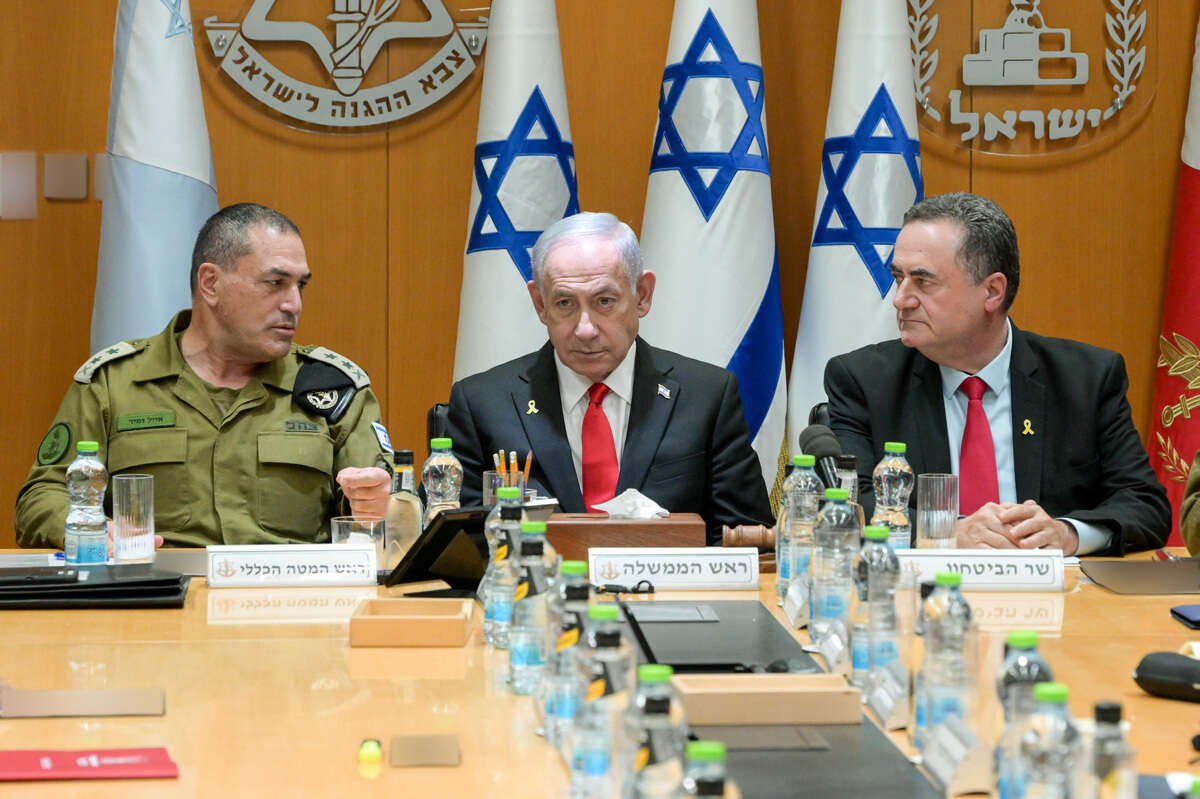
On Thursday the narrow war cabinet will convene to review the detailed battle plan for conquering Gaza City, a strategy already approved in principle by the Diplomatic-Security Cabinet. Ahead of the plan's final approval for execution, the Prime Minister's Office said Prime Minister Benjamin Netanyahu has ordered the timeline shortened for seizing the last terrorist strongholds and defeating Hamas.
The initial reserve call-up scheduled for September has been moved forward for tens of thousands of soldiers to facilitate the evacuation of civilians from Gaza City before the final assault. Diplomatic and security sources confirm the timeline presented at the last cabinet meeting has been expedited, meaning the military operation will not be delayed as first planned. With Hamas signaling a potential deal, Israel is again at a critical juncture, and Prime Minister Netanyahu is keeping his strategy a closely guarded secret.
Learning from past negotiations with Hamas and after publicly admitting "Hamas deceived us," Prime Minister Netanyahu is now withholding information about developments behind the scenes from even his most senior ministers.
The helplessness felt by the families of the hostages in the face of this secrecy suggests Prime Minister Netanyahu is managing this situation differently than before. A sliver of insight emerged Wednesday evening when a senior official conceded that the radio silence from the prime minister's circle points to "days of sensitive and fateful decisions."
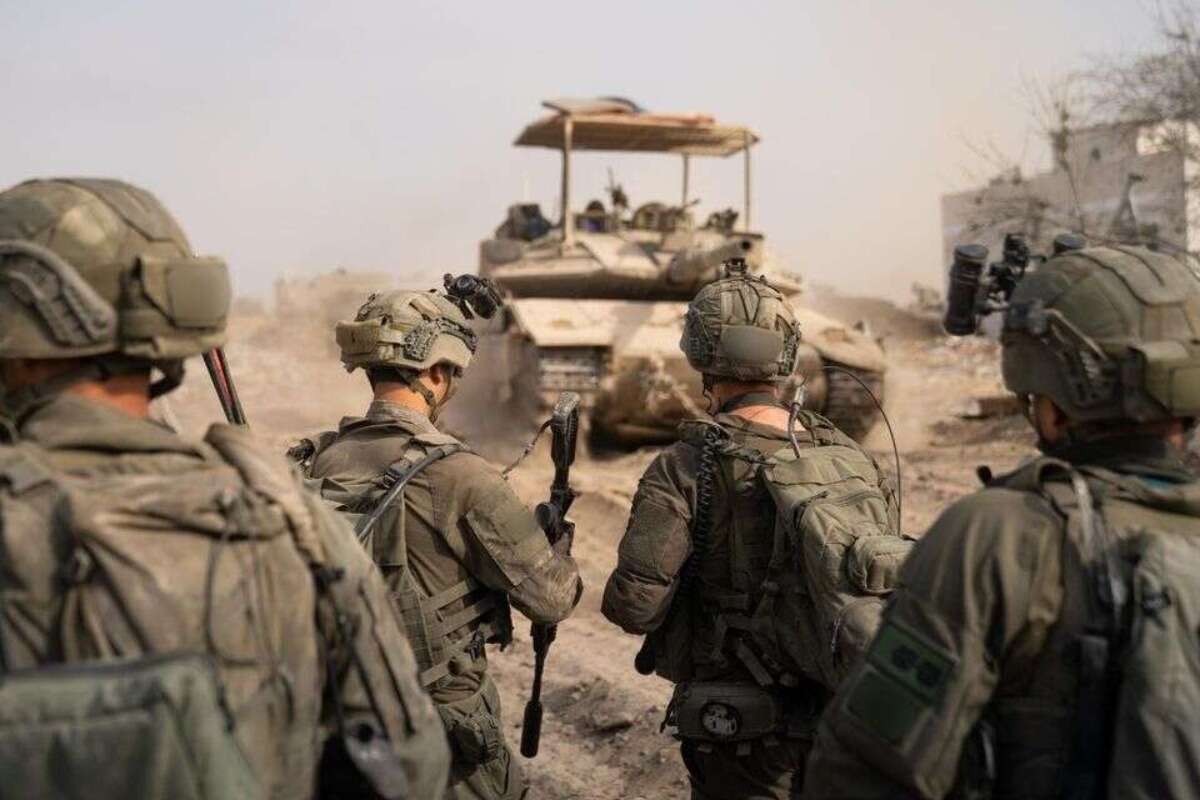
While some Government ministers have been outlining their preferred strategies for the war in media interviews, Thursday's meeting will be the first chance for several of them to formally weigh in on the forthcoming operational plans.
In a move contradicting a promise Prime Minister Netanyahu made to former top security officials last week, Israel Hayom has exclusively learned that the plan Defense Minister Israel Katz and the Chief of Staff Eyal Zamir approved on Tuesday omits a key tactic – cutting off water supplies to combat zones to induce a faster surrender by terrorists and lower the risk to Israeli forces.
When some of these officials tried to ask the Prime Minister's Office if a legal opinion on alternative measures would be presented to ministers, they were dismissed. They were told there was no time to consider other options because of "what is happening behind the scenes."
Ministers in the Diplomatic-Security Cabinet noted Wednesday that if Hamas abandons its demand for an end to the war on terms of an Israeli surrender and agrees to the Witkoff framework which Israel previously accepted, a partial or phased hostage release could be considered. They stressed however that all preparations for the Gaza City campaign must proceed in case Hamas is merely stalling again. They argue that soldiers must be moved to the city's outskirts and placed on high alert.
A security source stated that the IDF anticipates most Hamas terrorists will flee to the Mawasi area during the planned maneuver, leaving only a small contingent to engage in guerrilla warfare with Israeli soldiers. This assessment suggests the conquest of Gaza City will not be as lengthy as the chief of staff had projected. This would allow forces to quickly begin dismantling terror infrastructure and neutralize another key Hamas stronghold en route to the organization's total defeat.

The risk to hostages will undoubtedly rise once the urban maneuver begins. Yet security and political officials maintain that without a viable deal that safeguards Israel's security, there is no other path to securing their release.
Netanyahu currently enjoys unprecedented support from a sitting American president. President Donald Trump sounded more hawkish this week than some members of the Israeli cabinet. "We will only see the return of the remaining hostages when Hamas is confronted and destroyed," Trump reiterated, signaling his desire to see both the hostages returned and the war in the Middle East concluded.
Senior American officials consistently repeat that the final decision rests with Netanyahu himself. The objective however is unambiguous. The return of the hostages and the surrender of Hamas would clear the path for other joint Trump-Netanyahu initiatives like expanding the Abraham Accords and realizing diplomatic goals that offer a new vision for the region. The Gaza front must be resolved before advancing to that next stage, and one can imagine Trump whispering to Netanyahu "it doesn't matter how you do it."


