

Officially, a peace agreement exists between Egypt and Israel. Practically, the southwestern neighbor operates as a genuine adversary. Like in the Little Red Riding Hood story, Israelis ask Egypt, "Why do you maintain such a large army? Why is Israel its reference threat? Why did you construct tunnels and extend runways in Sinai? And what justification exists for deploying forces into the peninsula without requesting Israel's approval and contrary to the peace agreement?"
Good answers to these questions do not exist, so particularly after the surprise massacre on Oct. 7, it is worth recalling the words of former IDF Chief of Staff Herzi Halevi: "Egypt has a large army, with advanced weaponry, with aircraft and submarines, a large quantity of tanks and infantry." Halevi added that according to current assessments, it is not considered a threat, but "this can reverse in a moment."

Also in the political arena, Egypt regularly challenges Israel. This is one of the reasons it refuses to take in – even temporarily – the Gazans, or give them territory in Sinai. It does not want this agitated population with them, but it is also convenient that they are fighting us. From President Abdel-Fattah el-Sissi's perspective, this kills two birds with one stone.
To this must be added the hatred toward Israel in Egyptian elites, in popular classes, on social networks and in Egyptian media, and also the obstacles it places before Israel in international institutions. All this together resembles cold war more than "cold peace."
The great paradox is that Israel has significant levers to put Egypt in its place. First, the Americans: Jerusalem has assisted Cairo many times in Washington corridors over the years. It is possible and appropriate to reverse direction and draw Congress's attention to what is happening.
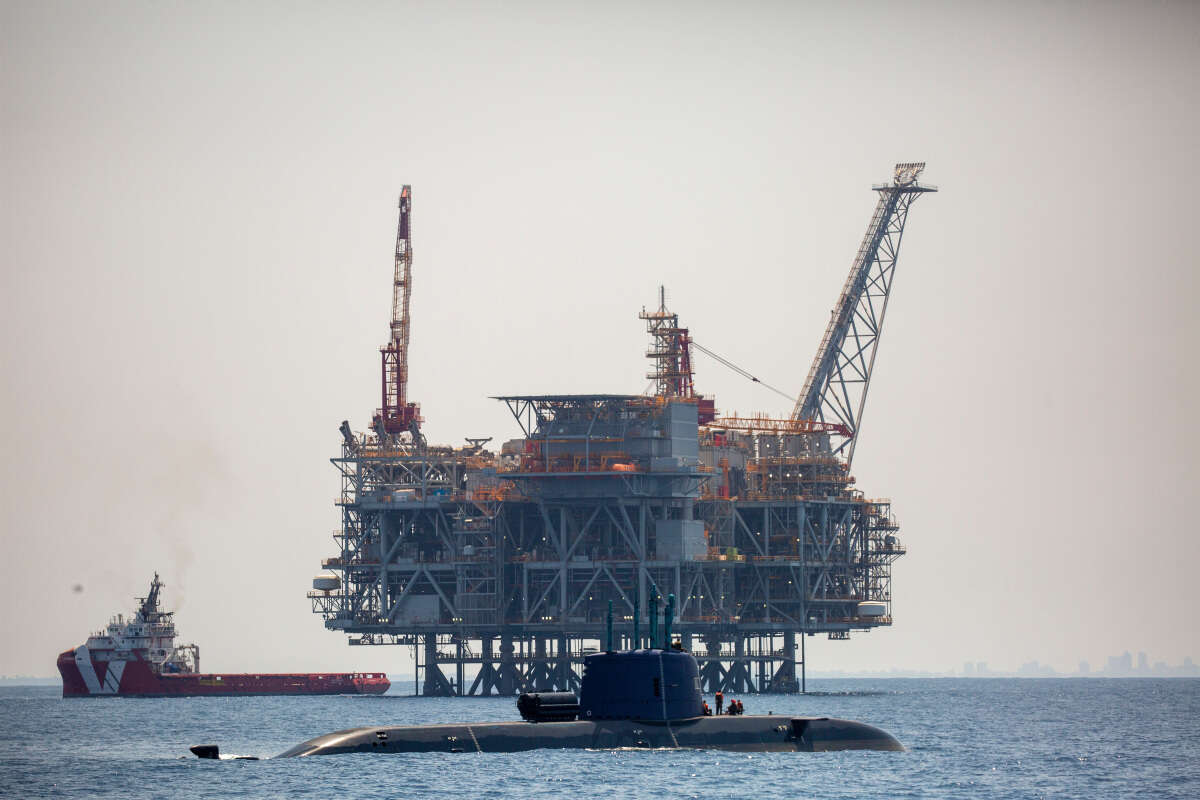
Second, gas: For years Egypt has depended on Israeli gas to survive. Without it there will be widespread power outages in the country. Additionally, the Egyptian economy, which essentially profits from the gas it purchases from Israel and sells to Europe, will lose a significant source of income if someone here flips the switch.
All this becomes doubly true after the future giant deal published this week. According to the plan Egypt will purchase 130 billion cubic meters of gas from the Leviathan reservoir over the next 14 years, for a cumulative sum of $35 billion.
The authority holder to approve the signing is Energy and Infrastructure Minister Eli Cohen. As a former foreign minister and as a person with sober regional vision, Cohen understands the enormous political value of this deal. He will indeed not decide alone whether to approve it, but will do so in consultation with Prime Minister Benjamin Netanyahu, however it is clear they have a very powerful lever in their hands. The question is whether they will utilize it.
Because the time has come to make it clear to Egypt that we're done being taken advantage of. One of Israel's most urgent needs is opening an exit pipeline for the population in Gaza. The time has arrived for Israel to conduct itself like a mature state and use the economic-energy lever at its disposal to advance this national interest.


