

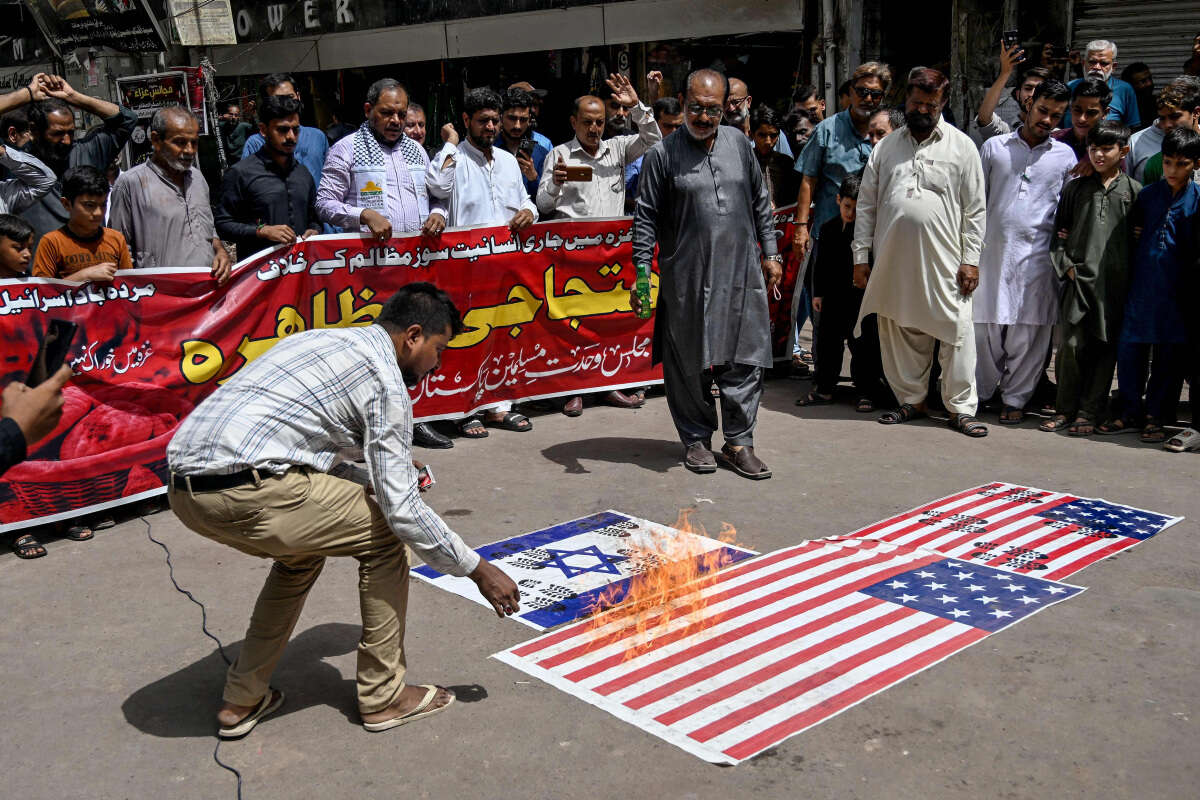
Official textbooks in Pakistan present Jews in a negative light and even include praise for Hitler, according to a new report from the international research and policy institute IMPACT-se. The findings provide insight into how the country's education system shapes the next generation's attitudes toward religion, democracy, Jews, and Israel.
The researchers examined 86 books approved by the government. Among the key findings are consistent hostility toward Jews, use of antisemitic stereotypes in Islamic studies content, and portrayal of Jews as treacherous and lacking loyalty.
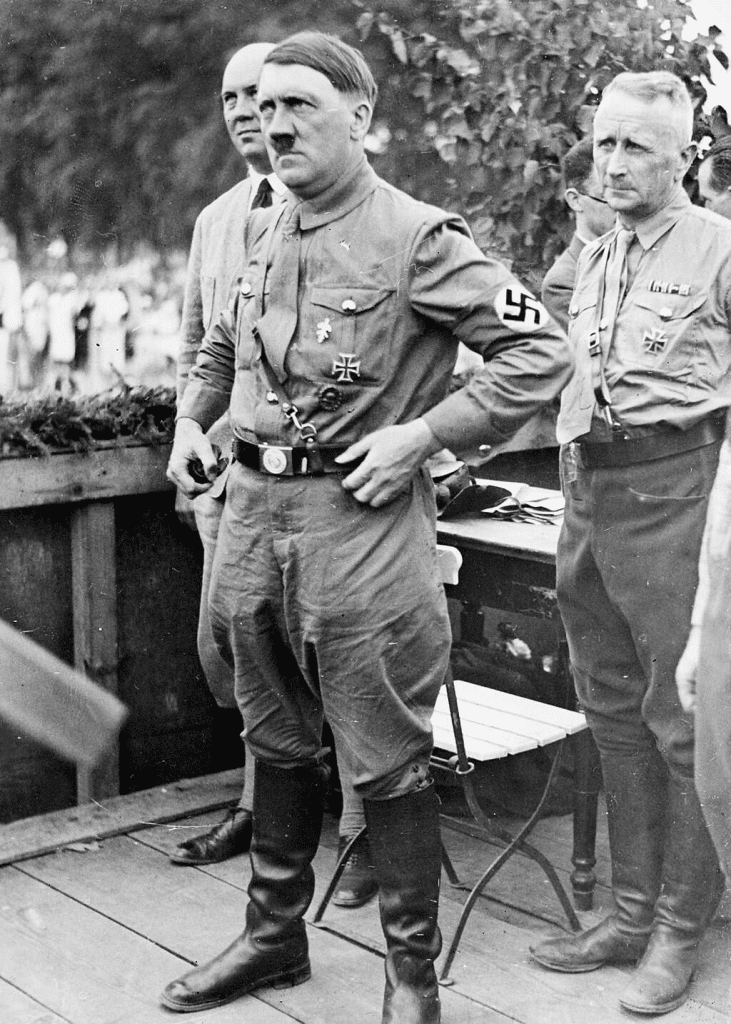
The study also found that Judaism is completely absent from sections dedicated to comparisons between religions, while Christianity, Hinduism, Confucianism, and Taoism are included. Israel is presented as a stubborn enemy of the Muslim world and blamed alone for the war in Gaza. The Holocaust is not mentioned at all, even in sections referring to Hitler's rule, which instead include praise and acclaim for the Nazi leader.
The report examined books in three educational provinces – Punjab, Sindh, and the Federal Council – in more than 80 subjects, including English, Urdu, Islamic studies, social sciences, history, geography, mathematics, science, home economics, and ethics. Additionally, isolated sections were found that encourage tolerance and recognition of diversity, but it appears the curriculum falls far short of UNESCO educational standards.
Marcus Sheff, CEO of the Institute for Monitoring Peace and Cultural Tolerance in School Education, noted that "the curriculum promotes consistent hostility toward Jews. Pakistan has a central regional role, with the status of a nuclear state and a large young population. Therefore, the implications are wide-ranging."
According to him, "the textbooks present Pakistan as leading the Muslim world and Israel as an enemy, and even place sole responsibility on it for the war in Gaza. What is learned in classrooms today will shape Pakistan's future relations with Israel and with the Jewish people. There is an urgent need for educational reform that includes inclusion, mutual respect, and education for peace."


