

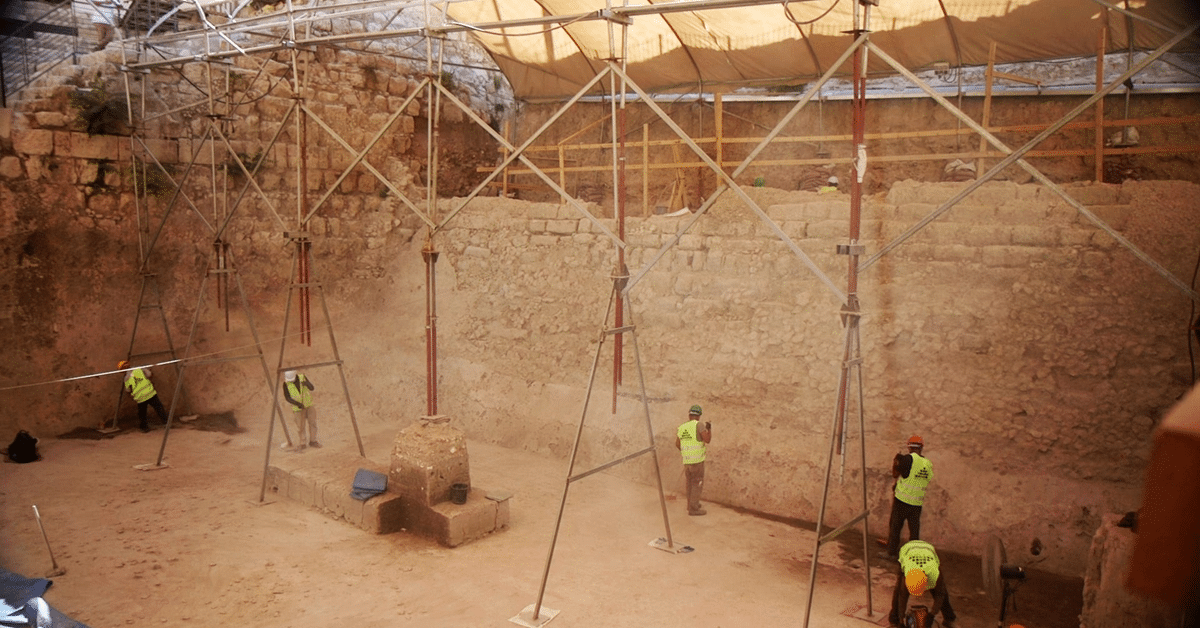
Breakthrough research conducted by the Israel Antiquities Authority and the Weizmann Institute of Science, published in the prestigious journal PNAS, establishes through comprehensive archaeological analysis that a climate catastrophe prompted Judah's monarchs to engineer a monumental dam in Jerusalem approximately 2,800 years ago, according to the Israel Antiquities Authority.
The colossal barrier, discovered during Pool of Siloam excavations in the City of David National Park, dates precisely to 795-805 BCE during the reigns of Kings Joash or Amaziah of Judah. Construction appears to have responded directly to severe water shortages caused by climatic challenges.
Two additional water systems from the same period join this newly uncovered structure. A tower that dammed the Gihon Spring and a channel that carried its waters into the Pool of Siloam, where they merged with floodwaters blocked by the dam, form this comprehensive network. These systems demonstrate comprehensive urban planning for managing Jerusalem's water supply as early as the late 9th century BCE, providing clear evidence of the city's strength and sophistication.
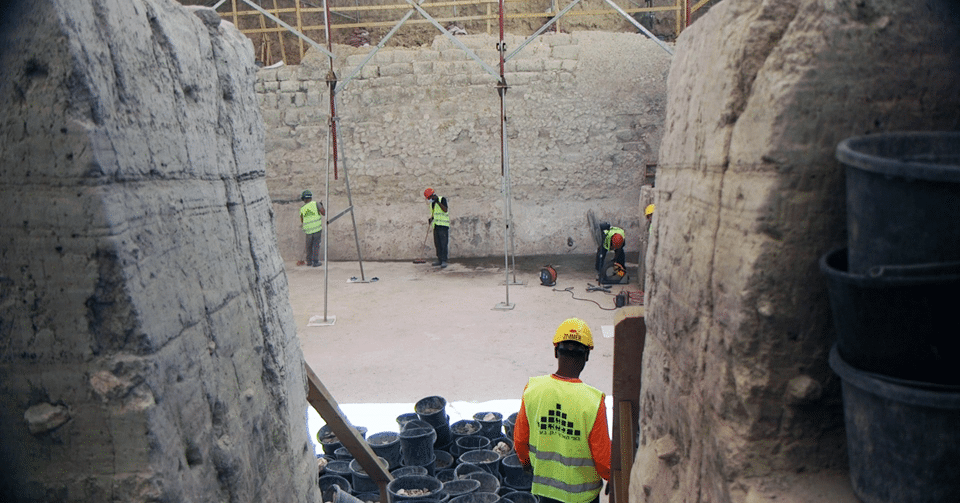
"This is the largest dam ever discovered in Israel and the earliest one ever found in Jerusalem. Its dimensions are remarkable: about 12 meters (39 feet) high, over 8 meters (26 feet) wide, and the uncovered length reaches 21 meters (69 feet) – continuing beyond the limits of the current excavation. The dam was designed to collect waters from the Gihon Spring as well as floodwaters flowing down the main valley of ancient Jerusalem (the historical Tyropoeon Valley) to the Kidron Stream, providing a dual solution for both water shortages and flash floods," excavation directors Dr. Nahshon Szanton, Itamar Berko, and Dr. Filip Vukosavović said, according to Israel Antiquities Authority's Facebook post.
Dr. Szanton added further context: "The collaboration between the Weizmann Institute researchers and the Israel Antiquities Authority offers new insight into the challenges faced by the inhabitants of ancient Jerusalem. This massive royal construction project influenced the city's development, particularly its southern and western parts – including Mount Zion – which relied on the waters of the Siloam Pool."
Weizmann Institute researchers Dr. Johanna Regev and Prof. Elisabetta Boaretto explained the dating methodology: "Short-lived twigs and branches embedded in the dam's construction mortar provided a clear date at the end of the 9th century BCE, with extraordinary resolution of only about 10 years – a rare achievement when dating ancient finds. All the data pointed to a period of low rainfall in the Land of Israel, interspersed with short and intense storms that could cause flooding. It follows that the establishment of such large-scale water systems was a direct response to climate change and arid conditions that included flash floods."


