

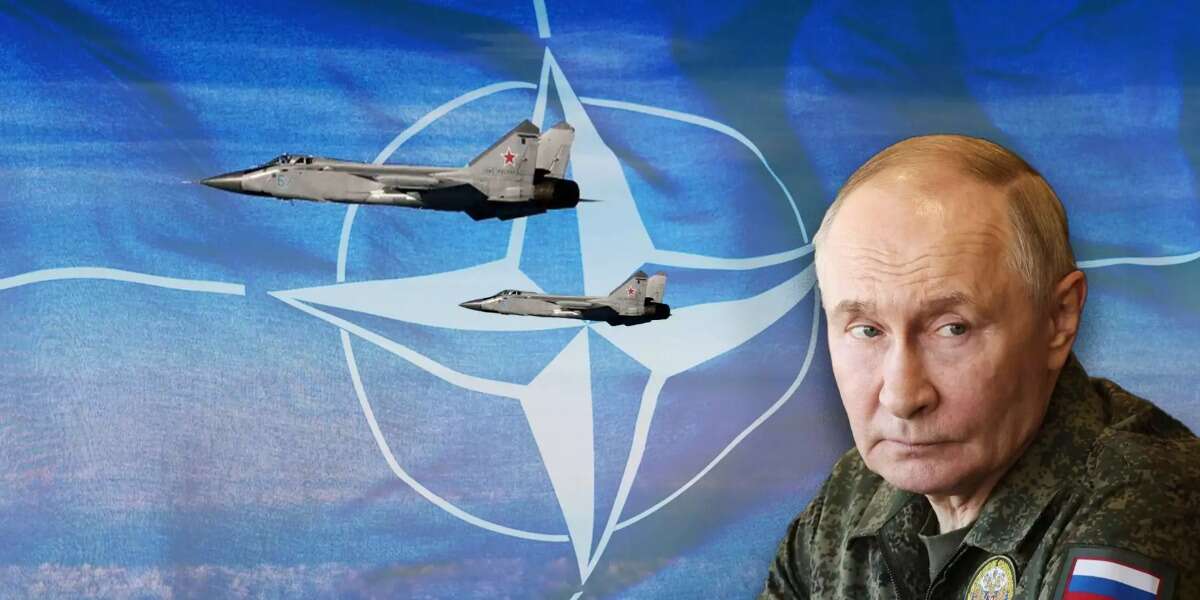
The recent incidents involving unidentified drones over Scandinavia, the latest of which took place just last night, have left NATO states on edge. Even if not all members openly admit it, it is clear in Europe that these are part of Russia's ongoing provocations, which have escalated in recent weeks with drones penetrating Polish and Romanian airspace and Russian fighter jets violating Estonian sovereignty.
Assuming, with little serious doubt, that this is Russia's doing, what is the Kremlin trying to achieve? Several interlinked goals. First, at the most basic level, it is testing NATO's cohesion: how will different member states respond to aggression that stays below the threshold of war? Who will act aggressively, and who will hold back? These responses serve as coordinates for future pressure points.
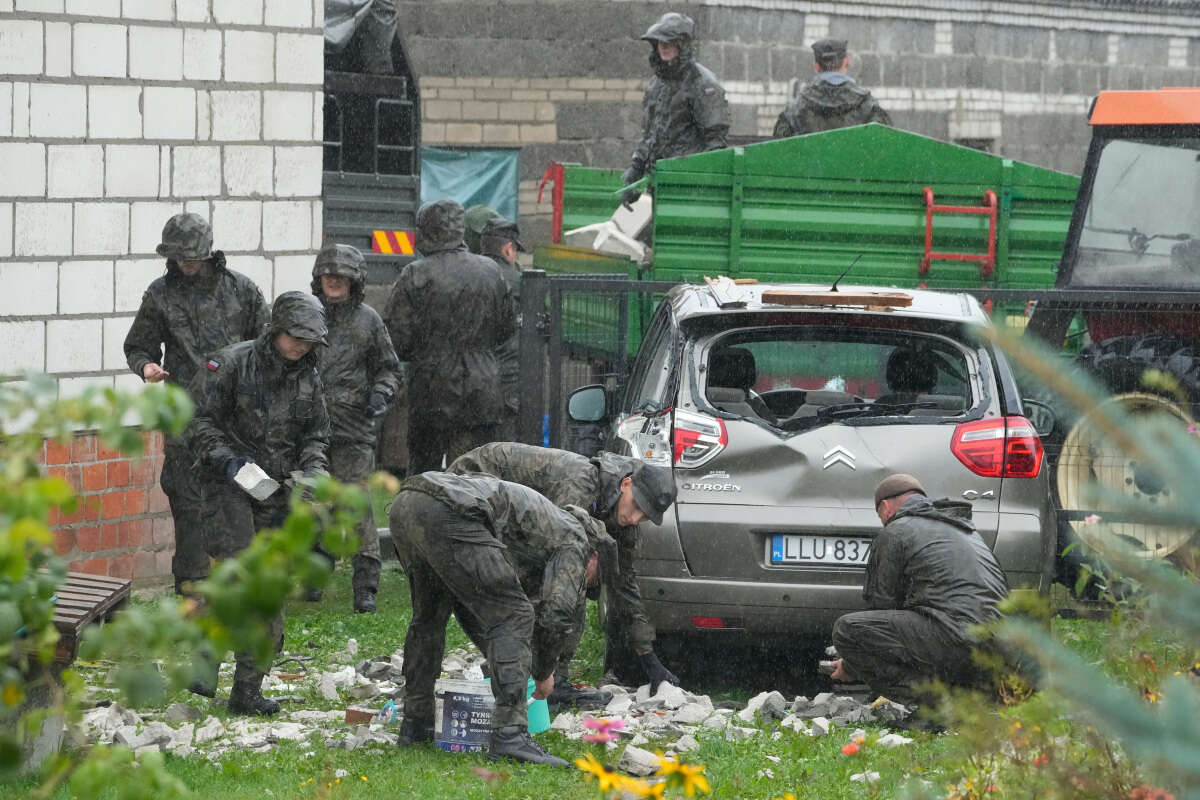
Second, the provocations double as military intelligence gathering. How will the targeted countries defend themselves in these gray-zone scenarios? What does it take to shoot down a drone? Are there electronic defenses near sensitive sites, and if so, how effective are they?
Third, the difficulty, lack of will or inability to intercept these incursions, Poland required fighter jets to scramble against drones, a drone over Romania wandered for an hour unchallenged, and Estonia had to call in Italian jets stationed inside its territory to escort Russian planes out because it lacks the capability itself, serves a dual purpose. It portrays NATO as inept, creating both a psychological effect on the public and a political boost to parties less hostile to Russia, while also fueling calls to invest in Europe's own defense systems. That in turn diverts resources away from Ukraine.
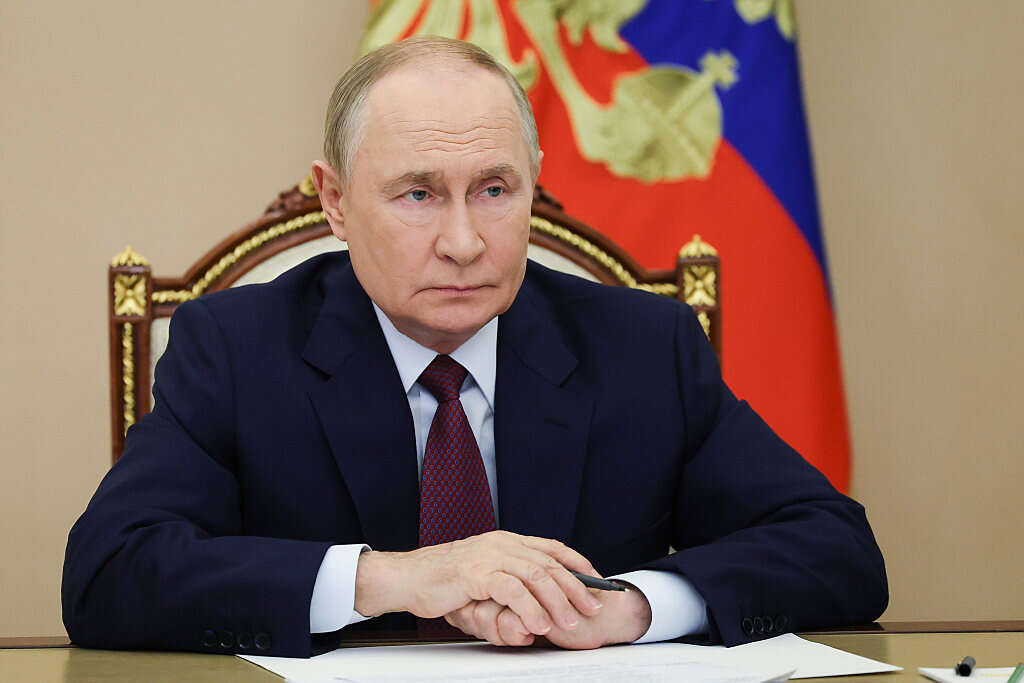
Frightening Europe is not just about reallocating funds away from Kyiv. It also helps maintain Russia's deterrence across the continent. Fear has plenty of customers, those willing to placate Moscow in the hope that the war in Ukraine has not changed the global order and that things can somehow return to 2021. This is the most passive and apolitical category of potential collaborators. Meanwhile, the threat of war further undermines European unity at a time when, under the current US administration, the continent finds itself without a reliable ally to uphold a rules-based order and protect liberal democracy.
There is also the factor of normalization: in the absence of asymmetrical responses, Putin will continue escalating his hybrid warfare, confident that Western leaders have much more to lose.
Finally, these confrontations, even if they remain in the realm of covert conflict, with Moscow denying responsibility or downplaying incidents such as claiming a few seconds of airspace violation in Estonia, are designed not just to create pressure points but to convert them into future bargaining chips.
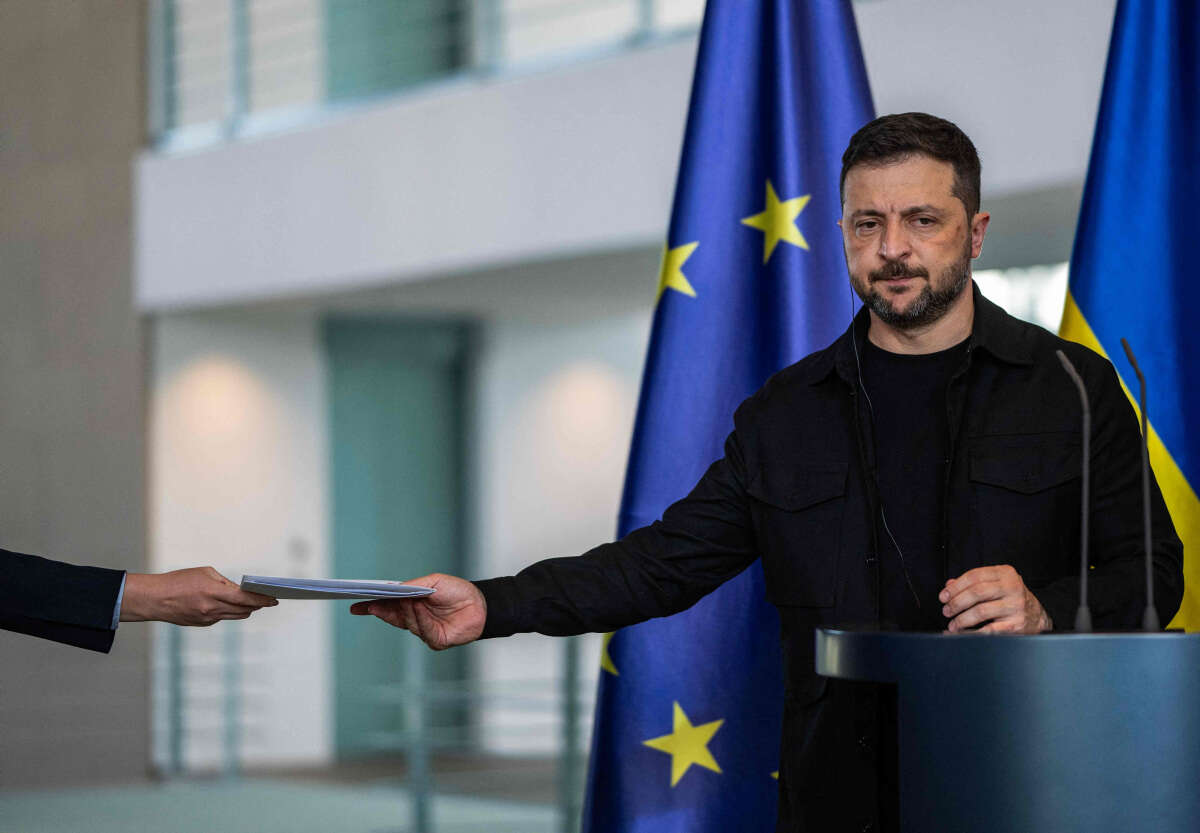
The logic in Moscow is simple: when Russian pressure is dispersed across multiple fronts, such as drones disrupting Copenhagen Airport without causing actual military damage, it becomes easier to secure concessions on a front that really matter. For example, Russia could demand limits on the size of Ukraine's military. It is far more difficult to reject such a demand when it is one item on a list of five, but when it is buried among 50 demands, many of them invented solely for negotiation purposes, Moscow can present itself as "flexible" by conceding on 40 of them.
Still, things may not play out for Putin as they once did with Ukraine. Much has changed since 2022: intelligence sharing, Europe's defense industry and public awareness of the true nature of the Russian regime. European politicians also risk their own careers by delaying or offering ineffective responses, as the future of both NATO and Europe itself is at stake. Russian fighter jets entering Norwegian airspace three times this year, for instance, make the threat feel more immediate than headlines from the war in Ukraine.
It is no coincidence that Russia's provocations target Estonia, Poland, Denmark, Norway and Romania. Geography plays a role, but the real common denominator is their firm support for Ukraine. Estonia contributes one of the highest shares of GDP, Romania and Poland are major transit routes for Western arms, and the Scandinavian states have been heavily investing in Ukraine's defense industry through joint ventures that will also benefit their own militaries.
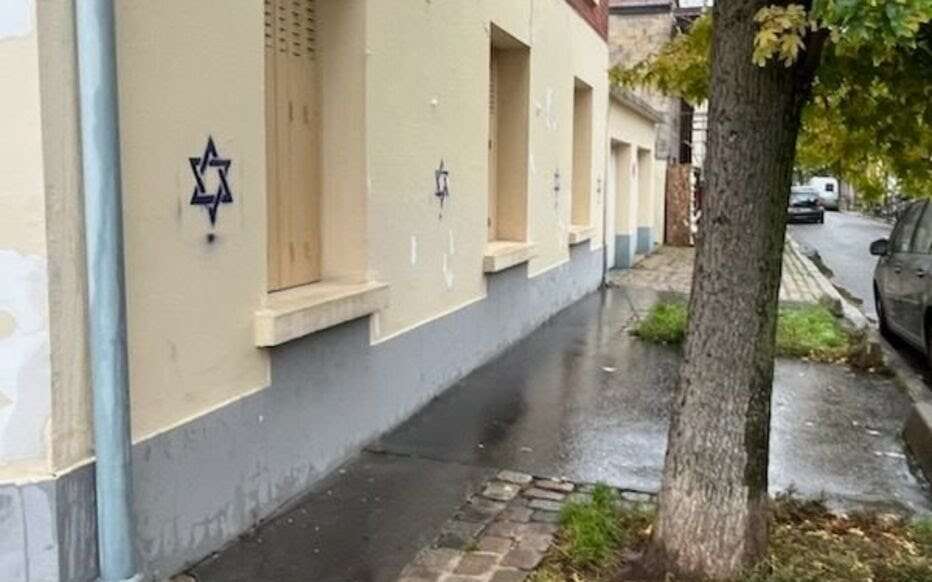
In any case, further provocations are likely, on land through acts of sabotage, via antisemitic provocations such as Star of David graffiti in France, and of course through cyberattacks. For now, Moscow has no reason to stop. As long as it can maintain plausible deniability, avoid unforeseen mistakes and face no asymmetric retaliation, like Turkey's 2015 downing of a Russian jet over Syria, it will continue to ratchet up the pressure on its neighbors, just as it did in Georgia before 2021, in Moldova, occasionally in Kazakhstan and Armenia, and of course in Ukraine. It is essentially the same game, played on different scales and in new boards.


