

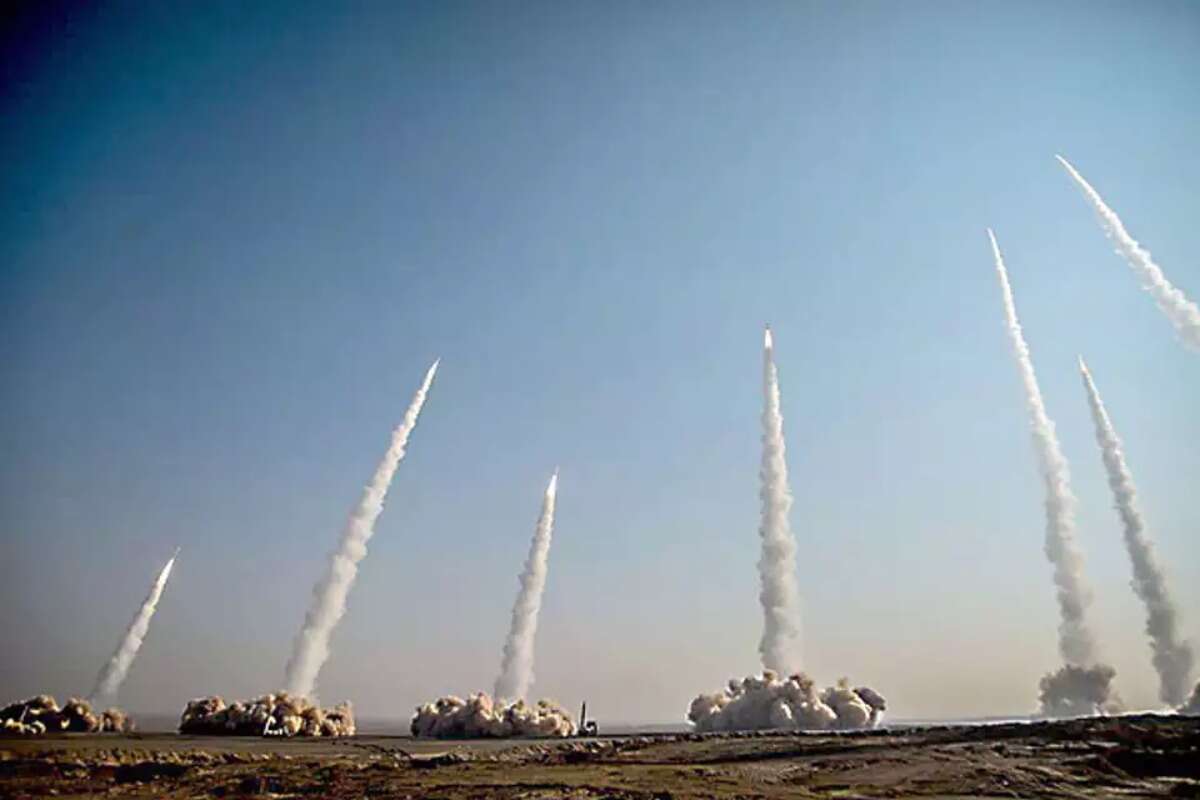
With the snapback clause now in force and new economic sanctions imposed on Iran, Israel is preparing for a particularly unstable two months with Iran, including the possibility of a miscalculation that would lead Tehran to initiate an attack on Israel.
The worry is that Iran, as a "wounded animal," will either misread Israel or try to fire in all directions, literally, given its predicament.
The economic sanctions imposed before dawn on Iran effectively mark the end of the JCPOA, the previous nuclear agreement. These are draconian measures, including bans on the export and import of defense materiel to and from Iran. They also apply to countries that sell to Iran or buy from it, and to secondary sales and purchases designed to route goods through a third country to Iran.

Iran's leadership is deeply troubled by the sanctions, not least because the country is already grappling with high inflation.
The concern is that under intense economic pressure, in light of the blows it suffered during the war, and perhaps out of fear that Israel plans to surprise it, a wounded Iran will decide to strike first, reasoning that the side that springs the surprise is the one that gains the upper hand.

