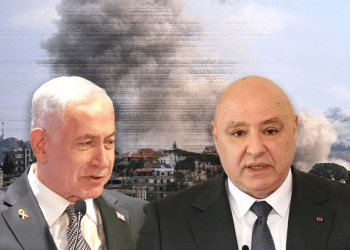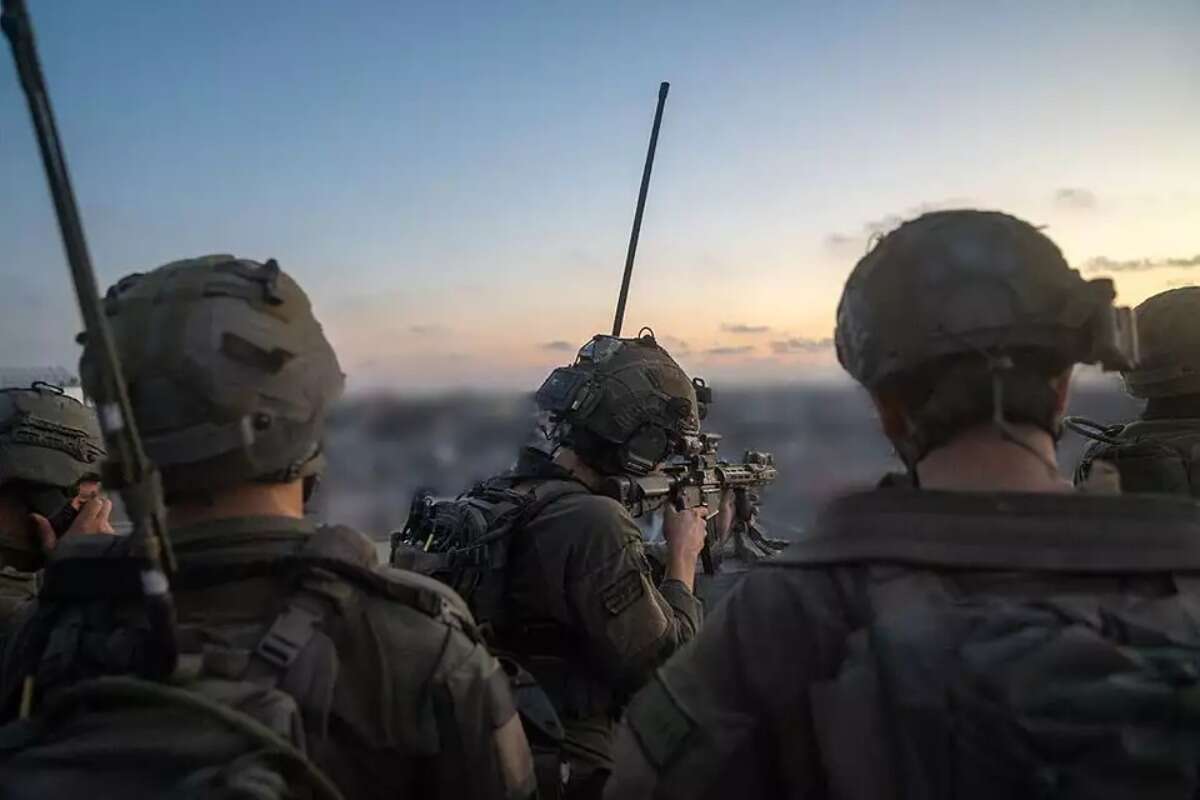
Israel is seeking to ensure that any agreement to end the war will also resolve the wave of international legal action against IDF soldiers and the country's leaders, Israel Hayom has learned.
The International Court of Justice (ICJ) is currently hearing a case accusing Israel of war crimes. Meanwhile, the International Criminal Court (ICC) has issued arrest warrants for Prime Minister Benjamin Netanyahu and former Defense Minister Yoav Gallant.

Israeli officials fear that additional secret warrants may exist, targeting IDF officers and soldiers whose personal details were exposed in the media and on social networks. Beyond that, Israeli diplomats and legal teams are dealing almost daily with cases of former soldiers detained or questioned abroad amid growing anti-Israel sentiment.
According to information obtained by Israel Hayom, Israel has raised these concerns during ceasefire negotiations, insisting that any agreement must address them. It remains unclear whether this issue will be included in the so-called "21-point plan," since addressing these legal challenges involves complex processes with third countries and international bodies.
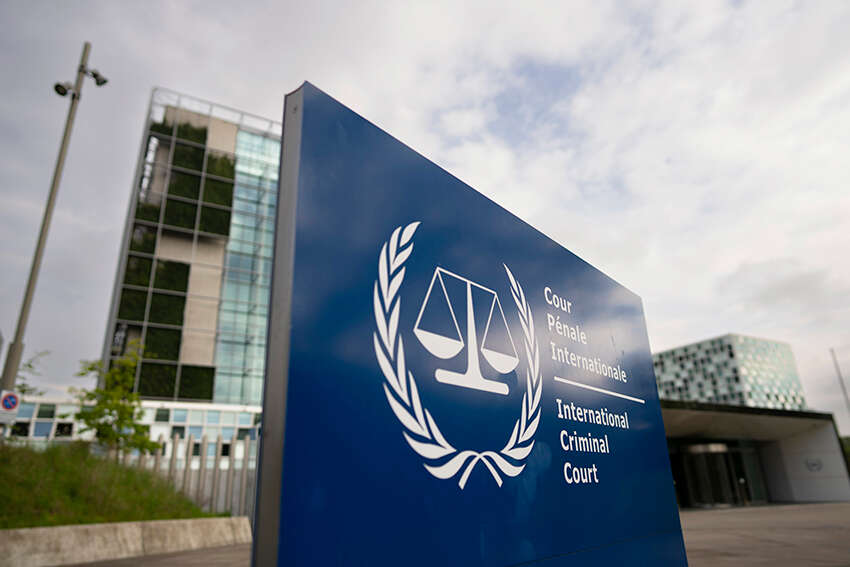
The ICC operates under the framework of the United Nations and the Security Council. In principle, the council has the authority to suspend an ICC investigation. But to prevent such a move from being blocked, Israel would need assurances that Russia and China would not use their veto power. The ICJ, on the other hand, is an independent body, making it even more difficult to halt its proceedings against Israel.
As previously reported, the war-ending agreement includes immunity for Gaza terrorists from prosecution. "It cannot be that they will receive international immunity while our people are pursued and arrested," a source familiar with the talks said.