

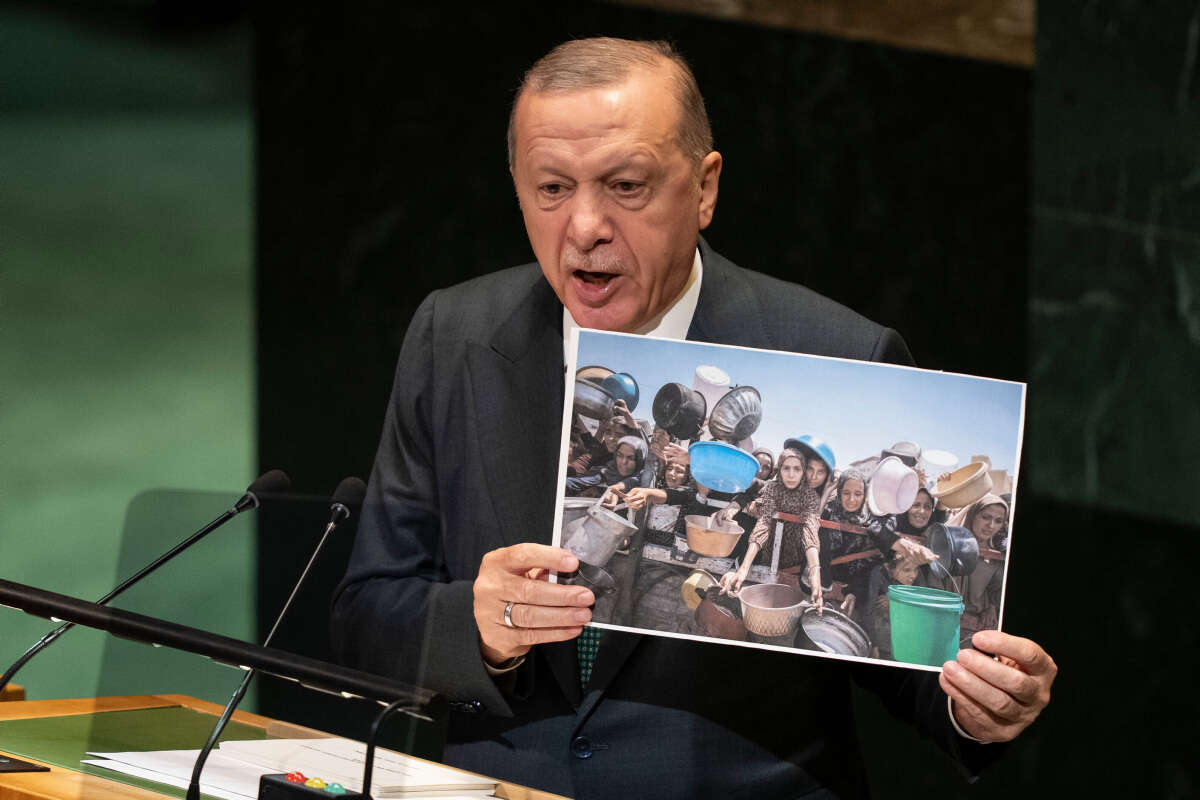
Many experts are already trying to assess who are the winners and losers from the deal signed on Thursday in Sharm el-Sheikh. For some players, it is too early to determine how the new reality will impact them. But, for others, the direction is already clear. In Turkey's case, there is no doubt – it is one of the great winners of the process ending the Gaza war, and along with it, its president, Recep Tayyip Erdoğan.
Turkey's involvement was critical in recent efforts to formulate an agreement based on United States President Donald Trump's twenty-point plan. The simultaneous mobilization of Turkey and Qatar, a great success by Trump, applied unprecedented pressure on Hamas and left it no choice but to agree to the outline.
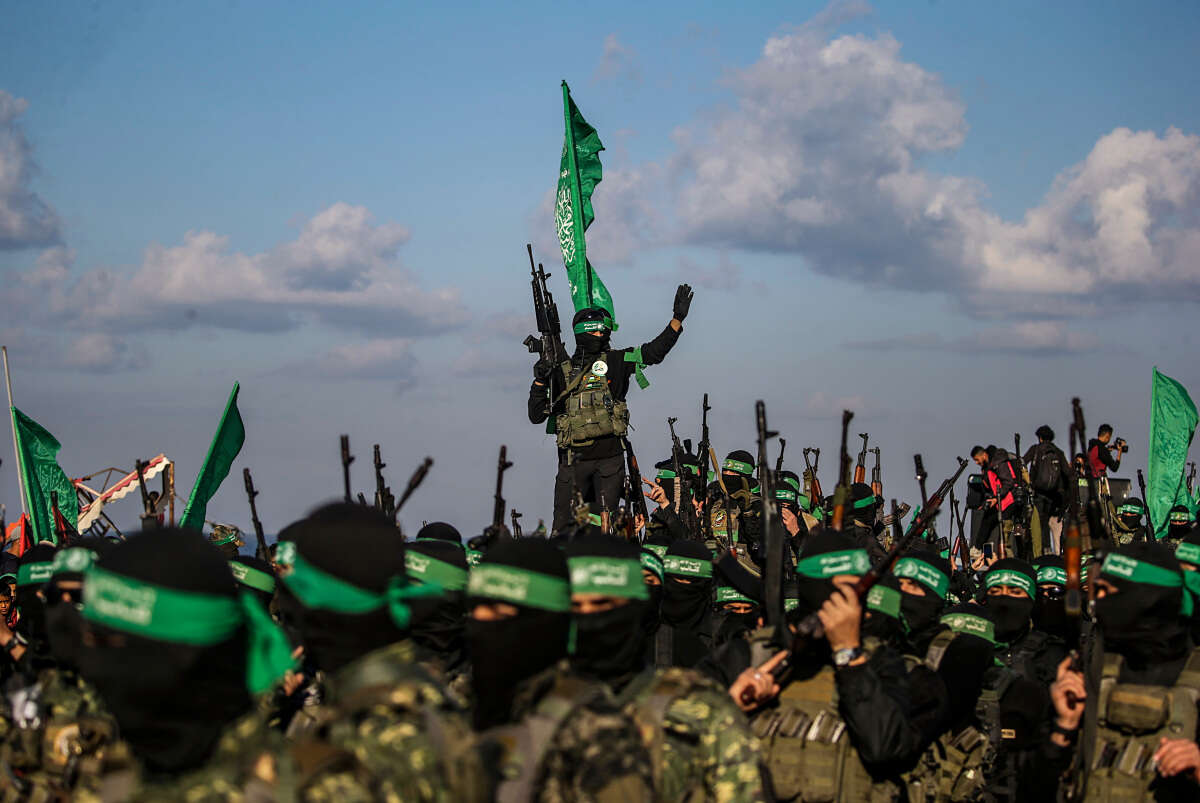
However, there should be no confusion – Turkey did not act out of concern for the fate of the hostages. In official statements from Ankara, those held by Hamas were barely mentioned, and Erdoğan did not change his fundamental position toward the conflict. The Turkish president basically remained a Hamas supporter.
Turkish aid to advance Trump's outline will not come without a price, either. Erdoğan has already announced that the Turkish army will be part of the international force that will deploy in Gaza after the IDF withdrawal and that Turkey will play a role in rehabilitating the Strip. Thus, he achieved what he yearned for since the war's beginning – a foothold and direct influence in Gaza, alongside potential for economic profits.
Erdoğan also expects compensation from the United States for his part in convincing Hamas – support for Turkey's position regarding Syria's future (and especially on the Kurdish issue), the sale of advanced fighter jets, and more.
It is hard not to be impressed by the dramatic change Turkey experienced in its regional status. Five years ago, as a result of an overly assertive foreign policy by Erdoğan, it was completely isolated. Eastern Mediterranean countries (including Israel) organized against it and strengthened cooperation among themselves. In parallel, moderate Sunni countries drew closer to each other (and to Israel) to stem the Muslim Brotherhood's influence, supported by Ankara. The Turkish army was stuck in the Syrian quagmire, achieving little.
Facing this reality, Erdoğan understood he had to change approaches and began "normalization" initiatives with a series of regional countries. President Isaac Herzog's highly publicized visit to Ankara in early 2022 was part of that move.
The October 7 Hamas attack shuffled the cards. Erdoğan tried almost immediately to leverage the shock that struck the region to his advantage. Turkey poured enormous quantities of humanitarian aid into Gaza and tried to position itself as the most determined country against Israel, and thus became a model to emulate. But, for many long months, Ankara remained outside the game. Mediation efforts between Israel and Hamas were conducted by others, mainly Egypt and Qatar, and not a single country imitated Turkey's extreme behavior.
Then, suddenly, in late 2024, the stars began aligning for the Turkish president. He knew how to identify the window of opportunity that opened before him and exploit it fully. First, Bashar Assad's regime fell and was replaced by a government friendly to Ankara, an event no one, even in Ankara, foresaw and owed much to Israeli bombardments.
In June 2025, Iran, the ambivalent neighbor competing with Turkey for regional status, was weakened and humiliated by Israeli and American bombers. And now, the United States president himself, a close friend of Erdoğan, has integrated Turkey into his grand political plan for the Middle East at the last moment, making it vital to achieving an agreement, and positioned Erdoğan as a player impossible to ignore. Finally, the Arab and Western obsession with events in Gaza allowed Turkey to make people forget its problematic actions and improve its international image. And all this happens while Turkey also strengthens on the global stage, a combination that makes Erdoğan a big winner.
From Israel's perspective, this strengthening poses a challenge. Turkish power rises when Ankara is more anti-Israeli than ever. Turkey, which initiated an accelerated armament process, will be found in Gaza, in Syria, and in other regional places, and the reward it will receive from the United States for its part in the recent political move may significantly change regional power balances.
But, despite his recent successes, Erdoğan is not a magician. He has a rare combination of luck, sharp political instincts, and a marvelous ability to exhaust every opportunity. But throughout his career, he has also made mistakes, at times even paying a steep price for his errors.
A significant portion of Turkey's ability to maintain its power hinges on its president's capacity to avoid further errors and refrain from actions that might deter its neighbors, both Arab and Hellenic, who also express concern over Ankara's new status. However, restraint was never his strong suit.
Israel must prepare for an era where Turkey is more ambitious, more assertive, stronger, and more hostile. But this configuration may also open opportunities in the long term. If concerns toward Ankara intensify in Cairo, Riyadh, Abu Dhabi, or Athens, they may find greater interest there in dialogue with Jerusalem. Political willingness to strengthen these channels is the best way not only to rehabilitate Israel's standing but also to wisely deal with the Turkish challenge.


