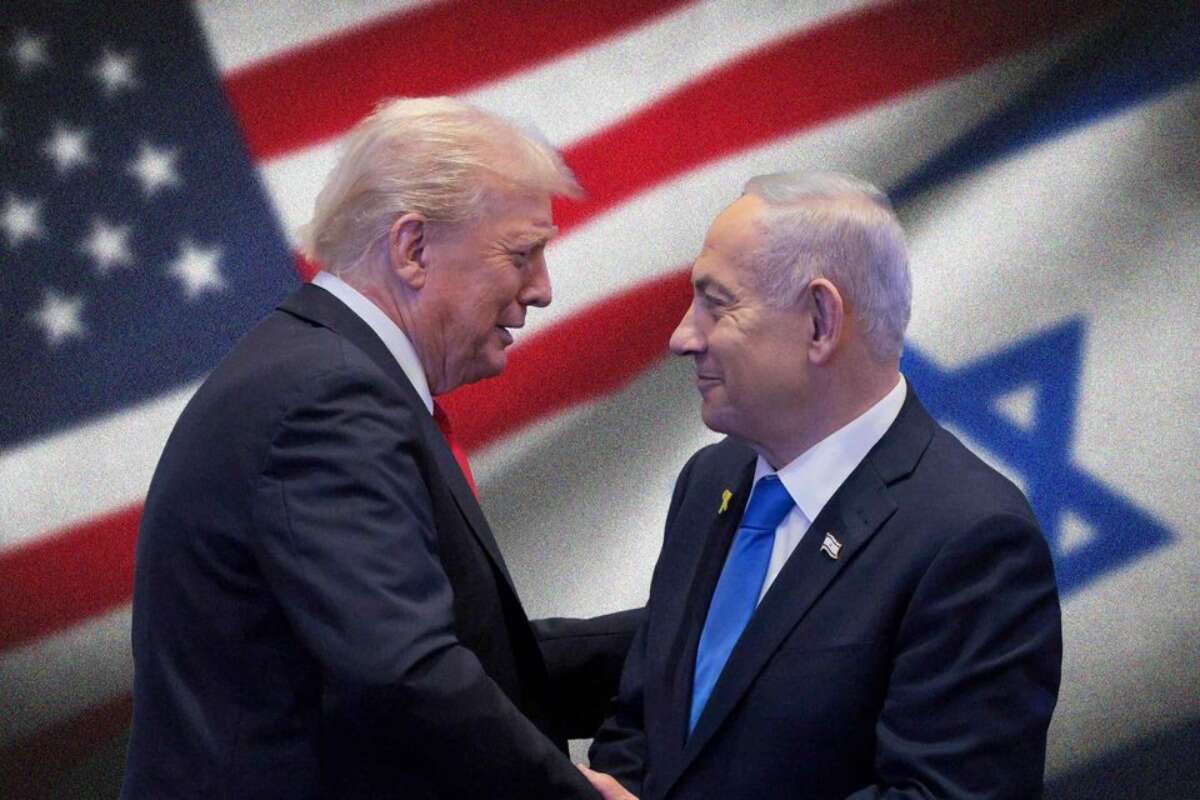
Since the war erupted on October 7, the US has stood by Israel in an unprecedented way: an airlift of munitions, defense of Israeli airspace, participation in the strike on Iran's nuclear facilities, and a consistent veto of international resolutions against Israel. But this support has created a new reality. Israel is now dependent on the US on a level never seen before, especially against the backdrop of growing diplomatic isolation. On several occasions during the war, Israel chose to reject American directives, but the strike in Doha marked a turning point, in a moment of what Israeli officials are calling the "American handbrake."
These are the four points showing how Israel seems to have become a US protectorate, or even, in a sense, the 51st state.
Full American patronage
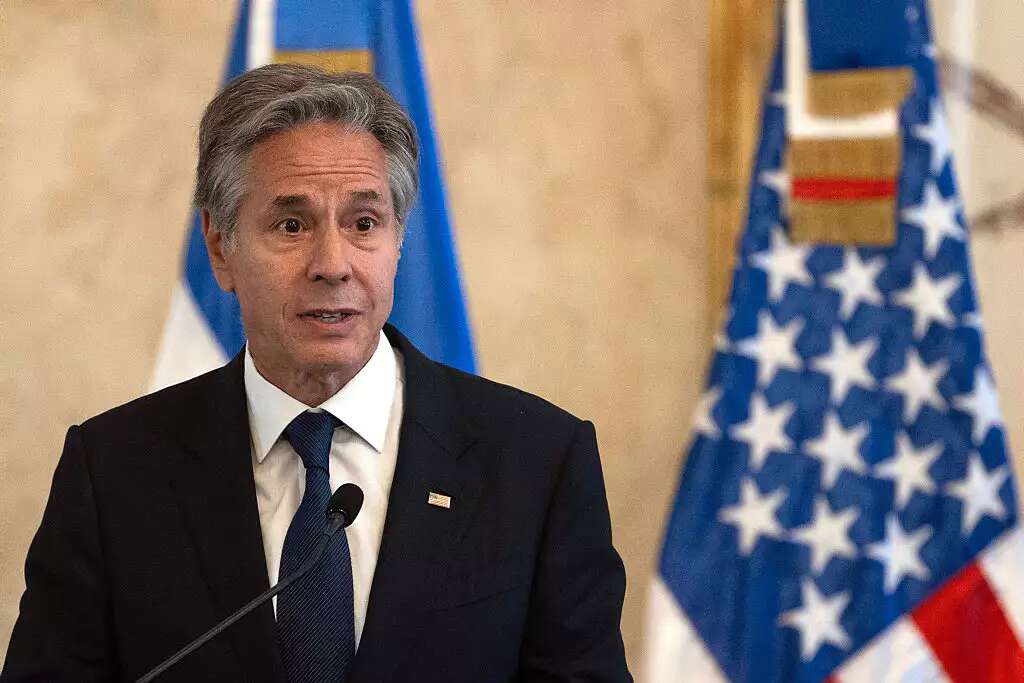
October 2023: The war begins. Facing its weakest position in decades, President Joe Biden issues a sharp warning to the Iranian axis in his now-famous "Don't" speech. In another extraordinary move, US Secretary of State Antony Blinken joins Israel's War Cabinet, showcasing the American umbrella of protection, complete with a massive airlift of weapons and equipment.
Israeli rebellion, American response
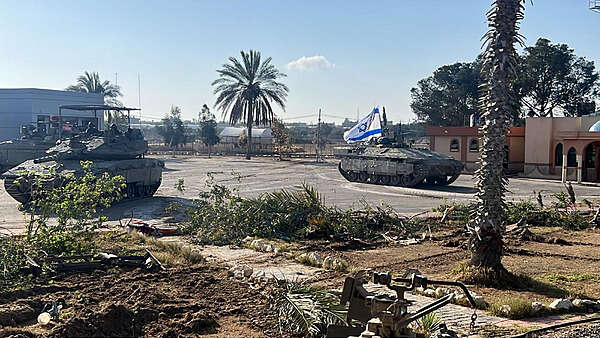
May 2024: Israel prepares for an incursion into Rafah amid an international campaign warning of a humanitarian disaster for hundreds of thousands of civilians. At the same time, the US leads a ceasefire deal, and for the first time withdraws its automatic backing at the UN Security Council, allowing a resolution supporting the plan to pass. Prime Minister Benjamin Netanyahu, in his "We'll fight with our fingernails" speech, decides to go into the city anyway. Despite Washington halting the shipment of heavy bombs (around 3,500 in total), Israel continues to fight.
Iran: When Israel can't act alone
Spring–Summer 2025: The new Trump administration lifts the embargo on heavy munitions and gives Israel a green light to resume the war before the second phase of the January 2025 ceasefire deal. The focus shifts to Iran. President Donald Trump begins direct talks with Tehran, contrary to Israel's position, and announces it while Netanyahu is visiting the White House.
When Israel faces direct confrontation, foreign forces join in its defense. During two Iranian attacks, US and allied aircraft intercept threats over Israel, and THAAD missile batteries are deployed in the country. On June 13, Israel launches a successful surprise attack. The US joins in striking Iran's fortified facilities in Fordow, Natanz, and Isfahan. On the war's final day, the White House halts an Israeli Air Force mission, and the planes return to base.

The imposed agreement
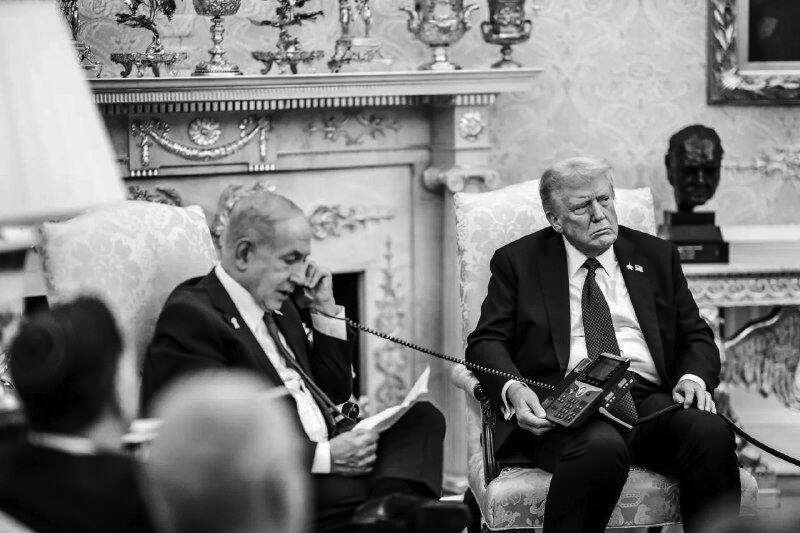
September 2025: On September 9, Israel attacks Hamas' leadership in Doha, prompting American outrage. Trump's envoys Jared Kushner and Steve Witkoff described it in an interview: "We felt a kind of betrayal." Qatar withdraws from mediation efforts, and Trump immediately calls Netanyahu, saying he "felt Israel had crossed a line." Trump makes it clear he will not allow Israel to apply sovereignty in Judea and Samaria.
Twenty days later, Netanyahu apologizes to the Qatari emir in a three-way call. Under heavy American pressure, Trump secures a deal between Israel and Hamas: 20 points, the return of 48 hostages, and a phased Israeli withdrawal. The final two weeks mark complete American "takeover." When a terrorist squad violates the ceasefire and an Israeli officer and soldier are killed, US pressure ensures that despite earlier Israeli statements, the ceasefire resumes less than 24 hours later.
Diplomatic Shield
Despite the initial wave of global sympathy, Israel grows increasingly isolated as the war drags on, with even its closest European allies turning up the pressure. The US repeatedly blocks resolutions against Israel at the UN Security Council, six times during the war as of this writing, often as the lone opposing vote.
Facing international legal action against its leaders at The Hague, the Trump administration imposes sanctions on International Criminal Court officials and warns against the continued "legal war against the US and its allies." Without the American umbrella, Israel would have faced near-total isolation.