


"The contacts between Israel and Saudi Arabia en route to normalization never ceased, but the process is slow and gradual," said Dr. Nirit Ofir, a Middle East expert and lecturer at Reichman University.
Ofir, perhaps Israel's most connected Saudi observer, helped bring Israeli teams to the Dakar Rally in Saudi Arabia in 2021, facilitated business deals between Israeli and Saudi firms, and became the first Israeli to lecture publicly in Saudi Arabia in September 2023, at a time when normalization felt imminent.

Bin Salman's vision Intertwined with Israel
The Saudi interest centers on realizing the "Vision 2030" plan, spearheaded by Crown Prince Mohammed bin Salman. This ambitious modernization agenda integrates seamlessly with Israeli know-how in cyber defense, fintech, and other advanced technologies.
Beyond that, bin Salman shares an affinity for Trump's regional "mega-deal", a sweeping plan to create a trade corridor from India and Southeast Asia to Europe, potentially including oil and gas pipelines. The crown prince sees himself playing a major role in this future.
Security-wise, MBS is seeking a formal defense pact with the US, one that implicitly includes Israel, to shield Saudi Arabia from Iran and its proxies, including the Houthis in Yemen.
Saudi involvement was already evident during Israel's June war with Iran. As Israel Hayom previously revealed, Saudi military helicopters intercepted Iranian drones bound for Israel. That cooperation is exactly why Iran and its proxies, including Hamas, have tried to sabotage the Saudi-Israeli track.
Intelligence-revealed documents from Hamas leadership show that one of the stated goals behind the October 7 massacre was to block Saudi Arabia from joining the Abraham Accords and halting normalization with Israel.
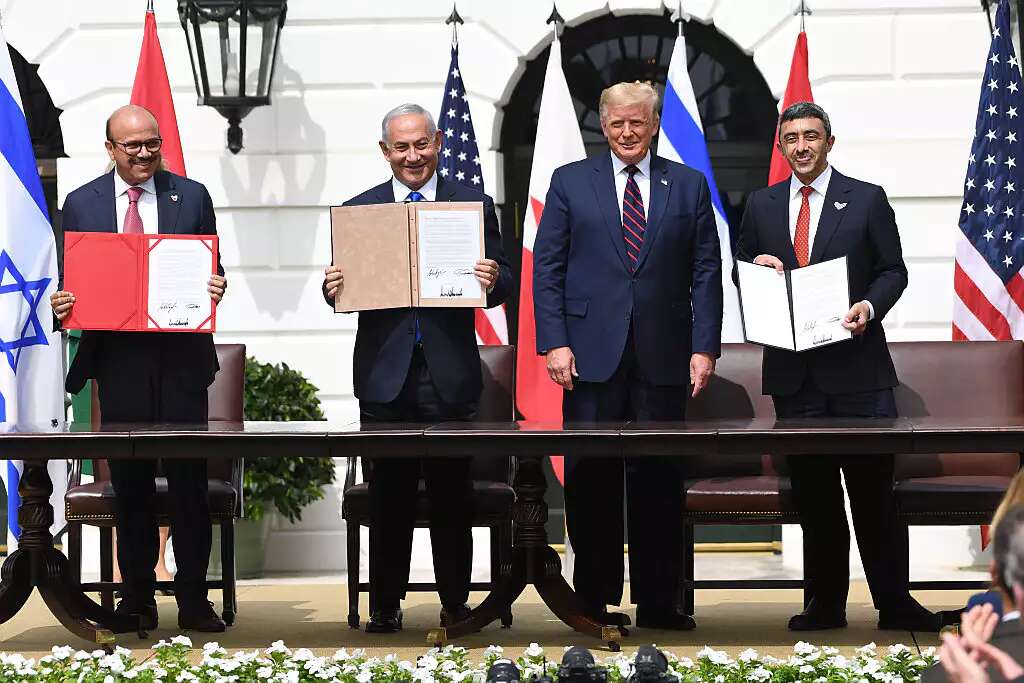
That goal has largely been met under the current Democratic US administration, which has struggled with the regional complexity. But if Donald Trump, the original architect of the Abraham Accords, returns to the White House, the process could quickly resume.
In recent days, Trump has repeatedly said senior Saudi officials told him they are willing and eager to join the Abraham Accords. He has correctly noted that Saudi participation would open the floodgates to further Arab and Muslim countries joining the pact.
War slowed momentum
Throughout 2023, there were direct talks between Saudi and Israeli officials, including meetings between Prime Minister Benjamin Netanyahu and Crown Prince Mohammed bin Salman. By September, negotiations were nearly complete, and Netanyahu's address at the UN General Assembly, outlining his vision for a new regional alliance, was broadcast on Saudi TV, a historic first.
The war with Hamas delayed these efforts. While the Saudis expressed horror over the October 7 massacre, public sentiment across the Arab world prompted Riyadh to harden its rhetoric against Israel during the conflict and emphasize the need for a renewed peace process. Trump's plan may offer a path that bypasses these obstacles.
"The United Arab Emirates is Israel's true Arab friend, they proved it during the toughest times of the war," a senior Israeli official with long-standing ties to the Gulf told Israel Hayom. He noted that Emirati airlines were the only ones to keep flying to Israel and recalled the UAE's forceful condemnation of Hamas and the October 7 massacre.
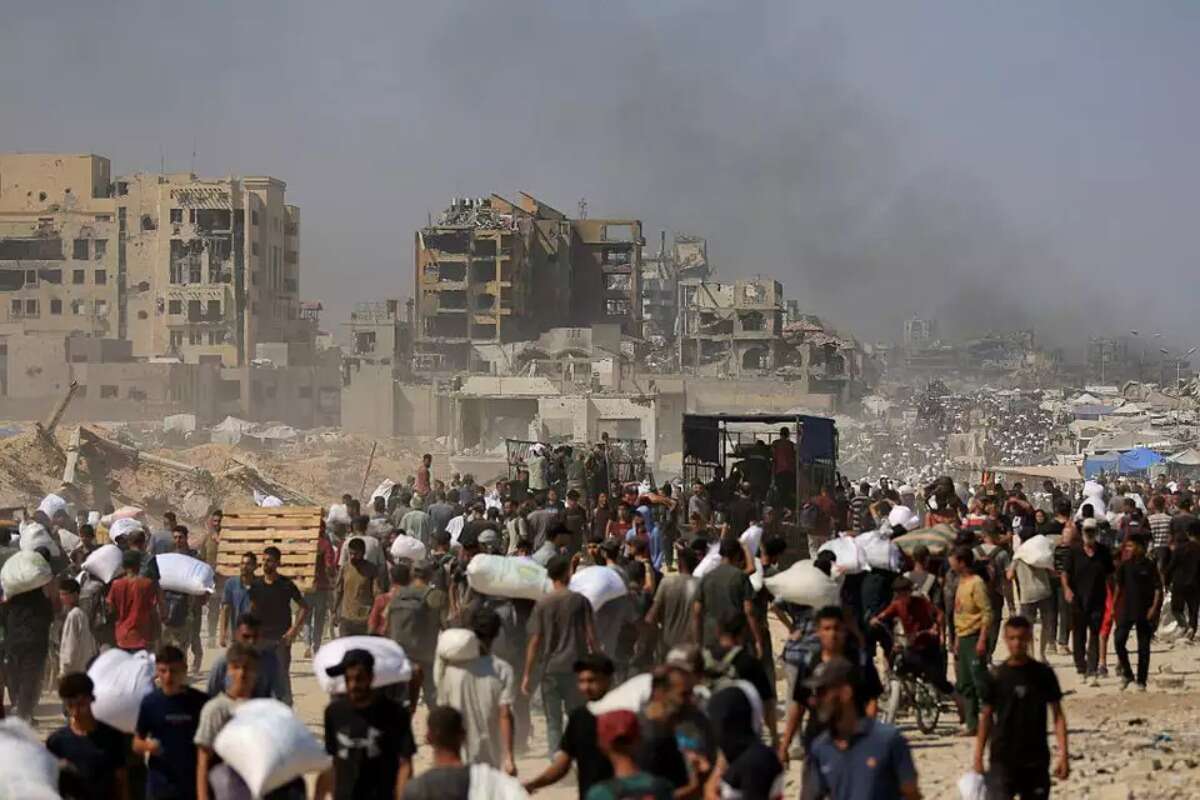
Both the UAE and Saudi Arabia take a hard line against Hamas, believing that as long as the terrorist organization remains in Gaza, reconstruction is impossible. Nonetheless, they have heavily financed humanitarian relief for Palestinians since the start of the war. The UAE used its ties with Israel to channel aid to displaced persons and establish field hospitals and clinics.
Today, the UAE leads efforts to build humanitarian zones in Israel-controlled areas of Gaza, including clinics, schools, and infrastructure for electricity, water, and sewage. The Emiratis also initiated and funded the construction of a water pipeline from Egypt into southern Gaza.
Massive commercial potential
Like the Saudis, the Emiratis see vast economic potential in a stable post-war Middle East, particularly as a trade corridor between East Asia and Europe. They understand the strategic value of cooperating with Israel. One example: the Dubai Diamond Exchange, founded 20 years ago, has become the world's largest with Israeli support.
Security is another cornerstone. An end to the war would unlock expanded arms and defense technology deals with Israel. Both Gulf states are also deeply involved in Palestinian "de-radicalization" efforts, reshaping education, media, and political discourse. Curricula from both are already in use in temporary schools in Israeli-controlled parts of Gaza.
Despite the setbacks, especially following the October 7 attack, the convergence of political will, mutual economic interests, and shared security threats, especially from Iran, is pushing Israel and Saudi Arabia closer to normalization. With Trump potentially returning to the Oval Office and Gulf states realigning their priorities, a breakthrough now seems more likely than ever.


