Finance Minister Bezalel Smotrich's recent comments disparaging Saudi involvement, saying, "Let the Saudis ride camels", dealt a serious blow to both negotiations with the kingdom on future diplomatic arrangements and Israel's broader standing in ceasefire talks, A senior Israeli official told Israel Hayom.
The fallout prompted a particularly harsh conversation between Prime Minister Benjamin Netanyahu's office and Smotrich, which led the minister to issue a public apology.
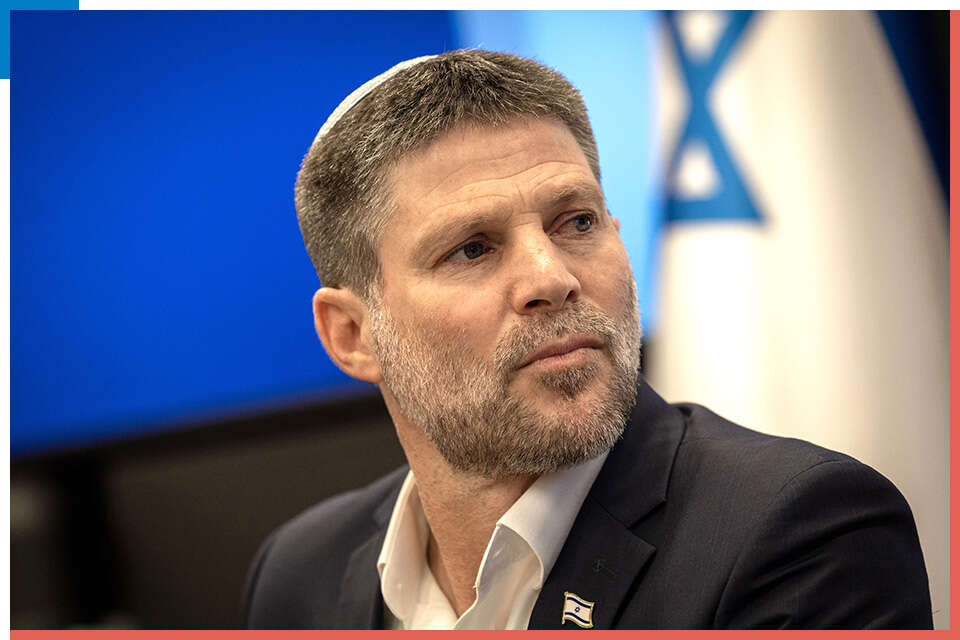
According to the official, Riyadh had aligned with the majority of Israel's demands, insisting—as Israel does—that any future arrangement begin with Hamas being dismantled of its weapons. "The Saudis have now reduced their participation in these talks to a minimum. It's not only because of Smotrich, but his comments certainly pushed them in that direction," the official said. "Israel is now dealing with a bloc that includes Turkey, Qatar and Egypt—countries interested in preserving Hamas' role in Gaza to varying degrees and refusing to pressure it to disarm."
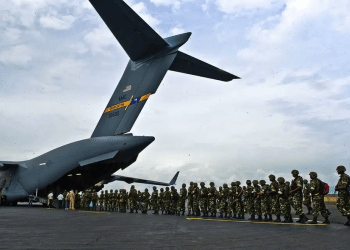
The issue of Hamas' weaponry remains the defining red line for the deal that ended the war. In recent days, countries that were expected to deploy forces to help stabilize the Gaza Strip have made it clear they will not do so as long as Hamas retains its weapons.
Israel Hayom previously reported that both Saudi Arabia and the United Arab Emirates oppose sending troops to Gaza while Hamas continues to wield military power. Arab diplomatic sources say Egypt is also unwilling to deploy troops at this stage, citing the need for the Palestinian Authority to assume control, as international law designates it the sovereign in Gaza. However, this explanation is largely seen as a pretext.
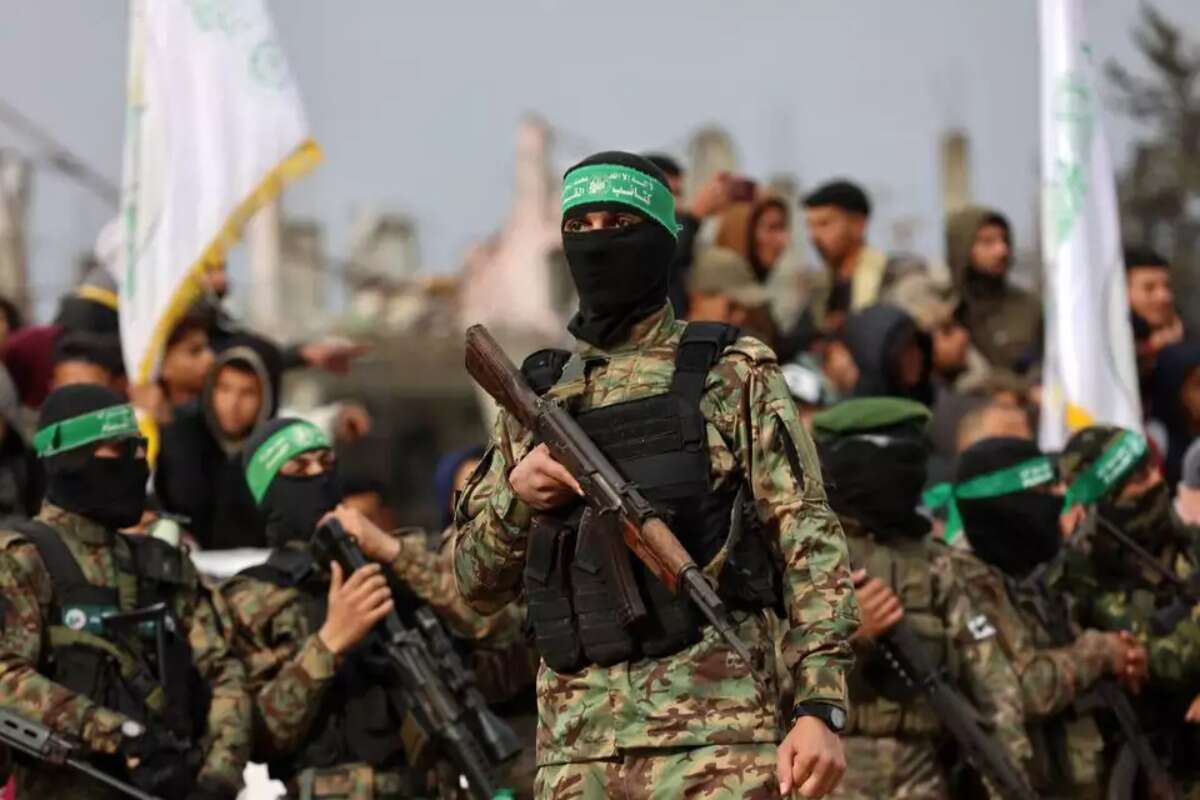
Egypt, like others, understands that clashes between its troops and armed Hamas operatives are only a matter of time, especially if there is any serious effort to disarm the terrorist group. This position is shared by other potential contributors to the stabilization force, including Indonesia, Azerbaijan, Jordan and Morocco. Even Qatar, which had reportedly planned to send police forces, is now refusing to do so for the same reason.
Some Arab nations involved in discussions had envisioned a lightly armed observer force patrolling the dividing line between IDF controlled areas and those under Hamas rule, without entering civilian areas. Hamas, unsurprisingly, supports this approach. The practical result is that no international force is currently willing to take responsibility for Gaza or carry out its primary mission, disarming Hamas in line with the Trump plan.