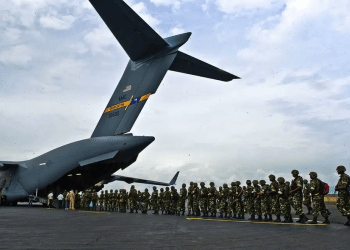
The US has recently approached additional countries across East Asia, Europe, and South America to participate in the International Stabilization Force (ISF) intended to deploy in the Gaza Strip.
According to American sources, the force's entry into Gaza is expected to occur in stages, with the most optimistic estimate placing the first phase before the end of the year. However, given that negotiations on the second stage have yet to be completed, it is unlikely to happen soon.
Israel Hayom has learned that Israel is assisting in outreach to several countries with which it has friendly relations, hoping to bring to Gaza reliable allied forces that will carry out their duties effectively. The Americans are counting on Arab participation from neighboring countries, but a Gulf official reiterated what was previously reported by Israel Hayom: as long as Hamas refuses to disarm, Saudi Arabia, Egypt, and the UAE will not take part in such a deployment.
Disarmament mechanism
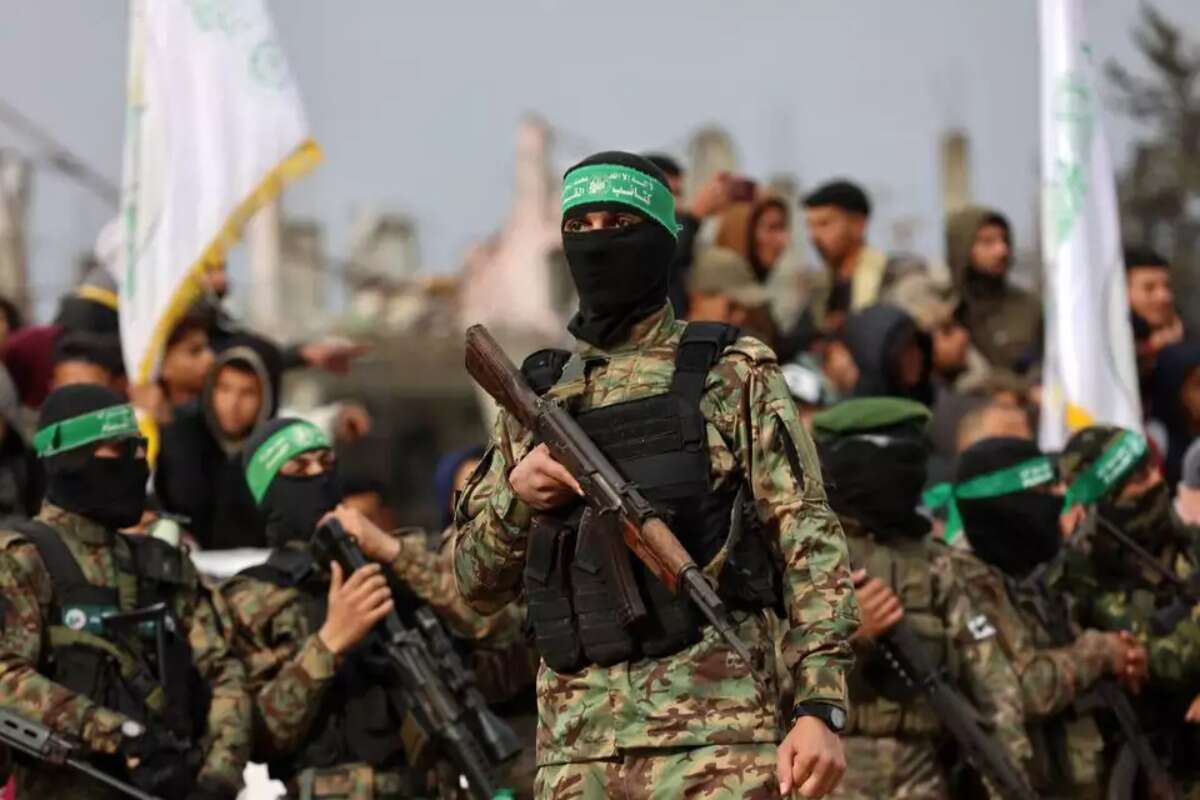
A security source familiar with the matter said that the Saudis and Emiratis are not alone in this stance and that other potential participant states also insist on at least a formal commitment from Hamas to disarm and on the establishment of a mechanism for carrying out that disarmament. These conditions make the American timeline appear overly optimistic.
Washington is advancing plans for a multinational force that would also include Palestinian "police" units recruited in Jordan and Egypt. The identities of these recruits are being screened by Arab and American security officials in an effort to prevent infiltration by Hamas supporters, though past experience suggests this effort will succeed only partially.
The US Central Command (CENTCOM) will assume full responsibility for the training and coordination of the ISF contingents, including, according to a report by the American website Axios, the Palestinian units as well.
Following the Oslo Accords, the Americans established a security body to train and arm Palestinian Authority police and security forces. Some of those forces fulfilled their mission, others did not, and some even turned their weapons on IDF troops, and in certain cases carried out terrorist attacks against civilians.
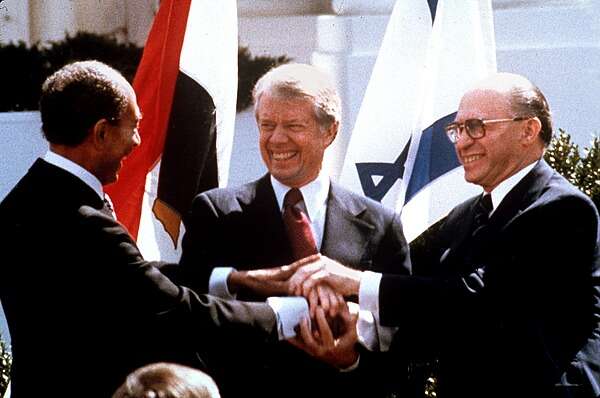
The establishment of the multinational force is expected to be anchored in a UN Security Council resolution. Egypt is pushing for a proposal that would allow the entry of such forces to replace withdrawing Israeli troops. Israel, however, opposes any withdrawal before negotiations on the next stage of the agreement are completed, chiefly the dismantling of Hamas' military infrastructure and the assumption of full security responsibility by the multinational force over the areas currently under Hamas control.
In practice, those negotiations have not yet begun, as Hamas violated its commitment to hand over the bodies of Israeli hostages killed in captivity. Eleven bodies remain in the Gaza Strip. As previously reported by Israel Hayom, more than half of them are in Hamas' possession and could be returned immediately. Hamas is demanding that talks move to the phase concerning Gaza's reconstruction, but that demand has support only from Turkey and Qatar.
The other countries involved are focusing on rebuilding efforts and laying the infrastructure for humanitarian zones in areas under Israeli control, which are meant to serve Gaza's residents during the reconstruction period.