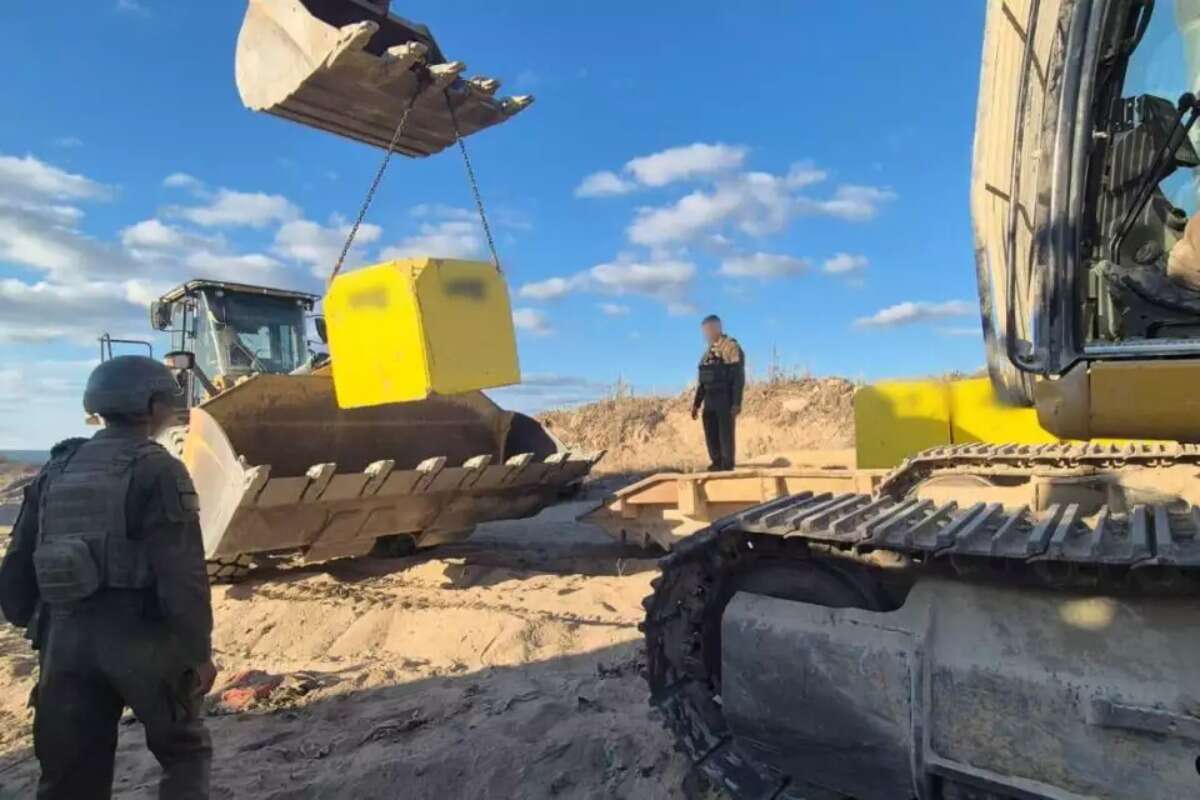
Hamas' efforts to deceive Israel, the US and the mediators continue. Over the weekend, the terrorist organization handed over remains that turned out not to belong to any of the eleven Israeli hostages confirmed dead and still held in Gaza. Israeli intelligence indicates that Hamas has access to nearly all the hostages' bodies and could return them quickly if it chose to do so. However, Hamas claims it is unable to locate them and is demanding the entry of heavy engineering equipment to assist in the search.
Israeli officials believe Hamas is attempting to use both the deceased hostages and IDF soldiers as bargaining chips ahead of the next stage of negotiations, possibly to demand the release of more imprisoned terrorists. The terrorist organization's leadership is facing internal criticism for returning all the living hostages while senior Hamas terrorists remain in Israeli prisons, and is therefore seeking to improve its standing.
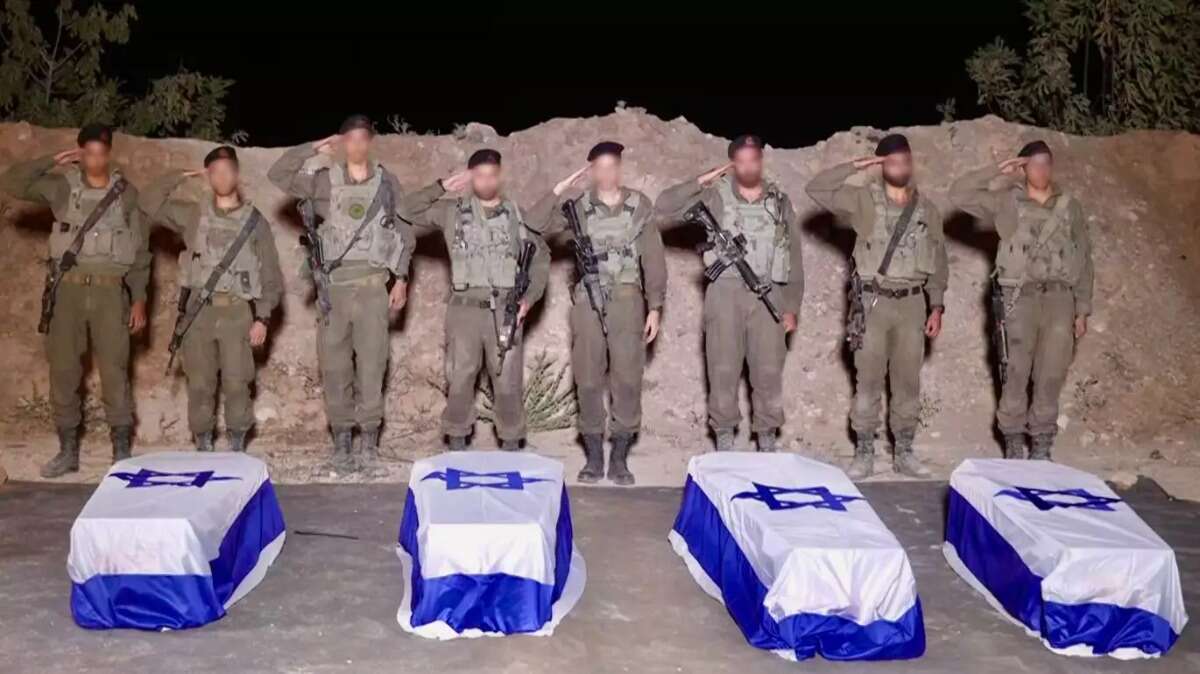
Hamas continues to violate the Sharm el-Sheikh agreement, both by delaying the return of the deceased hostages and by continuing to attack IDF soldiers, particularly in the southern Gaza Strip, in areas under Israeli control. These violations are stalling the broader implementation of the Trump Plan and the negotiations over how it will proceed. As a result, Washington is now pushing for an interim phase to begin in December, aimed at increasing pressure on Hamas to agree to hand over governance and disarm.
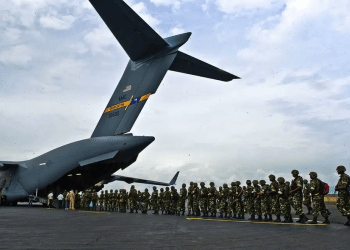
Diplomatic and defense sources told Israel Hayom that under the American plan, the multinational force in Gaza would be stationed along the yellow line, physically separating IDF forces from Hamas positions to prevent clashes. The US is already drawing maps for the buffer zone, which would maintain Israeli control over several key areas but would still involve a limited Israeli withdrawal.
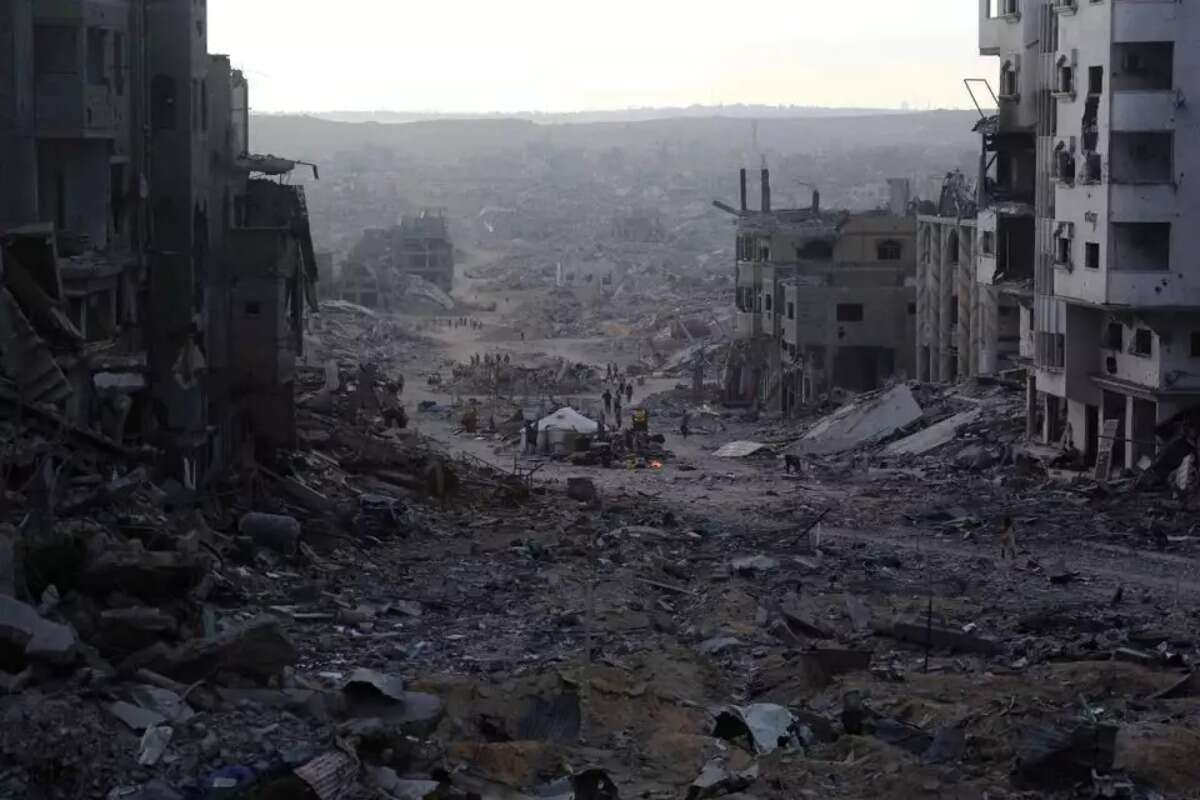
In addition to this task, the multinational troops are expected to deploy in the humanitarian zones now being set up in several areas in the north and south of Gaza. Jordan, the UAE, the US, Morocco and other countries are involved in developing these zones, which will include schools, clinics and infrastructure for transportation, electricity, water and sewage. These areas are meant to house displaced Gazans whose homes were destroyed, for several years during the reconstruction period. The international troops would help maintain order in these zones.
Another area slated for the force's entry is the al-Mawasi district, now a vast refugee camp that Israel has not entered. Hamas does not fully control the area, which is instead dominated by several clans and armed militias.
According to an Israeli security source, the Americans are already in talks with these local leaders to coordinate the entry of the multinational force and establish accountability, not only in al-Mawasi but also in other areas of Gaza's north and south under the influence of local Palestinian groups. Israel is assisting in these talks, with the aim of promoting cooperation and potentially recruiting fighters from these groups into the future Palestinian security forces that would maintain order once Hamas' rule ends.
This plan also aims to overcome the reluctance of many participating countries to send troops while Hamas remains armed and in control. Israel Hayom previously reported that Saudi Arabia, the UAE, Egypt, Jordan, Indonesia and Azerbaijan oppose entering Gaza under current conditions, fearing confrontations with Hamas terrorists. According to the American proposal, these forces would deploy gradually, first in the humanitarian zones and only later along the yellow line.
Still, the main obstacle remains Hamas' continued existence as an armed, governing force that uses weapons against both IDF troops and its own population. Apart from the Palestinian force being trained in Egypt, there are currently no other units ready to enter Gaza, and Washington is working to persuade additional countries to join the interim arrangement.
Regarding the question of whether Turkish troops might join the force, an idea Israel strongly opposes, an American official said the issue is essentially a "nonstory." He emphasized that, as Vice President Vance and other senior officials have stated, Israel holds veto power over the national composition of the multinational force.
He added that Turkey has no interest in sending armed troops to any point of contact with Israel to avoid unnecessary friction. "The Turks are only talking about sending engineers and professional personnel from their military to help with reconstruction, but Israel opposes even that," the official said.