

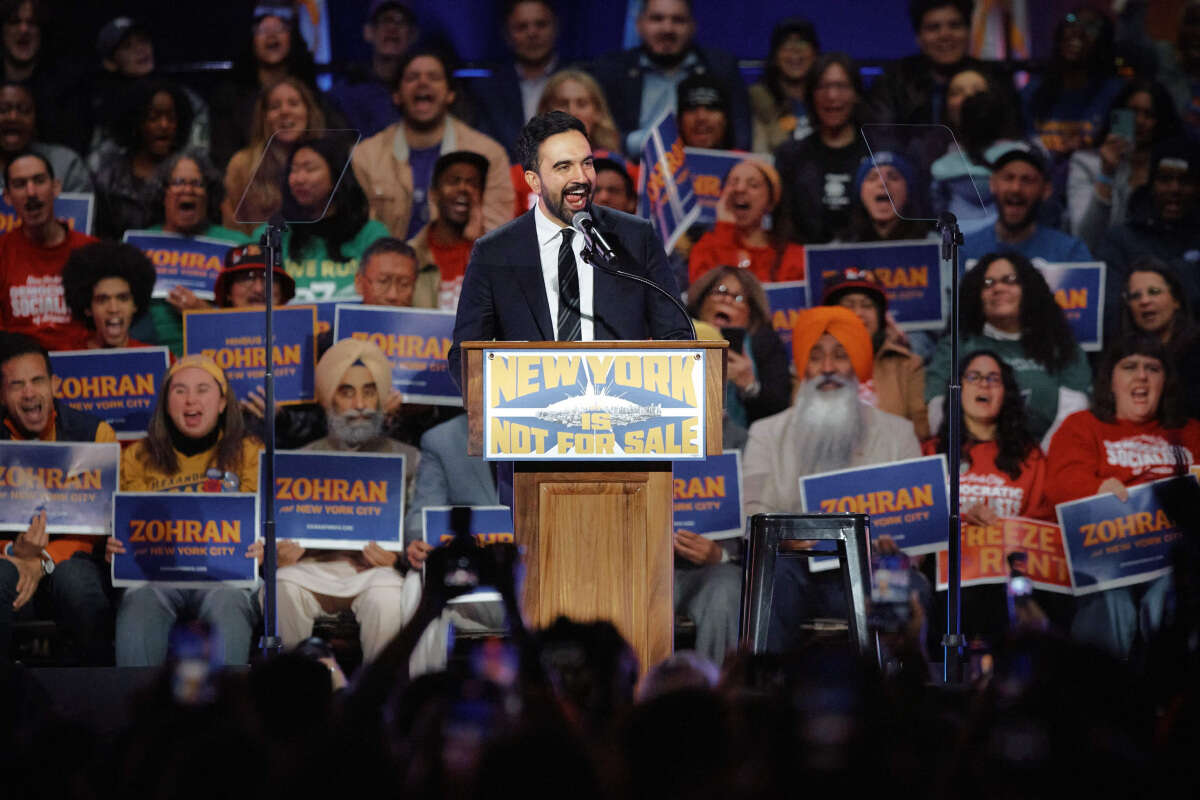
NYC faces a potentially historic Tuesday election as projections indicate 2 million votes could be cast – but an election eve survey shows the unpredictable mayoral contest has narrowed to an extremely close finish between Democratic nominee Zohran Mamdani and independent Andrew Cuomo, the New York Post reported. Monday's AtlasIntel poll gave the progressive Democrat 43.9% support compared to the former governor's 39.4%, with GOP candidate Curtis Sliwa capturing 15.5% – though data revealed Cuomo would defeat Mamdani 49.7% to 44.1% in a two-person race, according to the New York Post.
Sliwa's backing plummeted from 24% in earlier polling, with Lee Miringhoff, director of the Marist Institute for Public Opinion, noting "Some of the Sliwa supporters are switching to Cuomo. They're peeling off," and adding "These are voters who prefer Cuomo to Mamdani," the New York Post reported. Miringhoff observed that the democratic socialist front-runner has endured hostile messaging from Cuomo-aligned super PACs but said, "It's still a lot of ground for Cuomo to make up," according to the New York Post.
The survey's release coincided with the candidates' frenzied final day of campaigning, which centered on President Donald Trump issuing a forceful directive urging New Yorkers to vote for Cuomo. "Whether you personally like Andrew Cuomo or not, you really have no choice," Trump wrote on Truth Social, according to the New York Post. "You must vote for him, and hope he does a fantastic job. He is capable of it, Mamdani is not!" The president's intervention followed Mamdani capitalizing on Trump's weekend "60 Minutes" appearance, during which Trump indicated he'd select a "bad Democrat," meaning Cuomo, over a "communist" – a characterization Mamdani portrayed as his rival's endorsement, the New York Post noted. Cuomo responded that Trump, who had proclaimed on CBS News that he was "much better looking" than the younger candidate, would overpower Mamdani, thereby separating himself from the unpopular president in the blue metropolis, the New York Post reported.
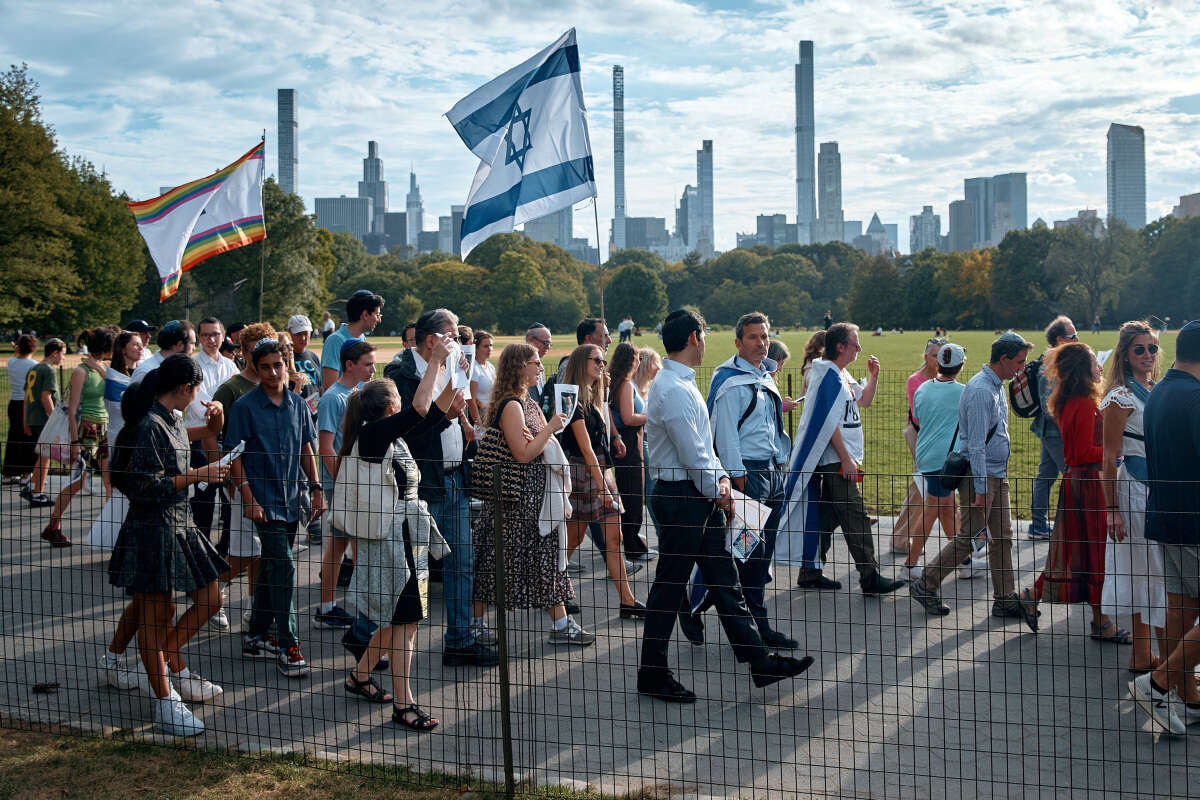
Over 730,000 New Yorkers cast early ballots during the 9-day window that concluded Saturday, with younger generations exceeding senior counterparts at polling stations during early voting's concluding days – potentially favorable for Mamdani, who leveraged their backing to triumph over Cuomo in June's Democratic primary, the New York Post reported. However, Stephen Graves, an analyst with Gotham Polling, informed the New York Post that Election Day will probably draw senior demographics, potentially advantaging Cuomo. "As the turnout gets larger, it leans more moderate and brings in the independents," Graves remarked, adding, "That benefits Cuomo because he was getting more independent while the vast majority of Mamdani's voters were Democrats," according to the New York Post.
Additional polling experts expressed skepticism regarding a tight contest. Alyssa Cass, a partner with Slingshot Strategies, stated Mamdani might realistically be tracking toward an outright majority, remarking, "When you run an error-free general election campaign … it's a safe bet that you are on a slide path to win — and to win by more than 50 percent," the New York Post reported. Nevertheless, Cuomo's operation embraced the AtlasIntel data as evidence that momentum had transferred from Mamdani – an optimistic interpretation that triggered cautionary responses from polling professionals, with GOP pollster John McLaughlin stating, "I think the race is getting tighter, but I don't think it's as close as this poll says," according to the New York Post.
The AtlasIntel survey's methodology drew scrutiny, as its sample of 2,400 constituents contained merely 59% Democrats – substantially below the city's probable percentage and contrasting with early balloting records, which showed Democrats comprising slightly over 73% of ballots, the New York Post noted. Miringhoff, whose organization published a survey discovering Mamdani ahead by 16 points under a week earlier, similarly determined the poll's proportion of Democratic constituents seemed insufficient, according to the New York Post. The participation suggests the intensely disputed contest might reach 2 million constituents for the initial occasion since 1969, when 2.5 million New Yorkers chose liberal John Lindsay as mayor, specialists forecast, with recent polling uniformly displaying Mamdani commanding the contest, though with dramatically different spreads ranging from 25 points to 6 points, the New York Post reported.
McLaughlin noted surprise at the survey being the initial poll discovering Mamdani's favorability negative, with 44% perceiving him unfavorably and 50% favorably, stating "Mamdani having a negative rating is a sea change," and adding "Either the issue attacks on him are working or there are too few Democrats in the poll," according to the New York Post.


