Captors restrained her wrists, suspended her body from above, and delivered relentless blows until consciousness faded. Electric shocks coursed through her while forced positioning damaged her spine and shoulder joints. Water splashed across her face, restoring awareness each time she passed out, ensuring torment could continue.
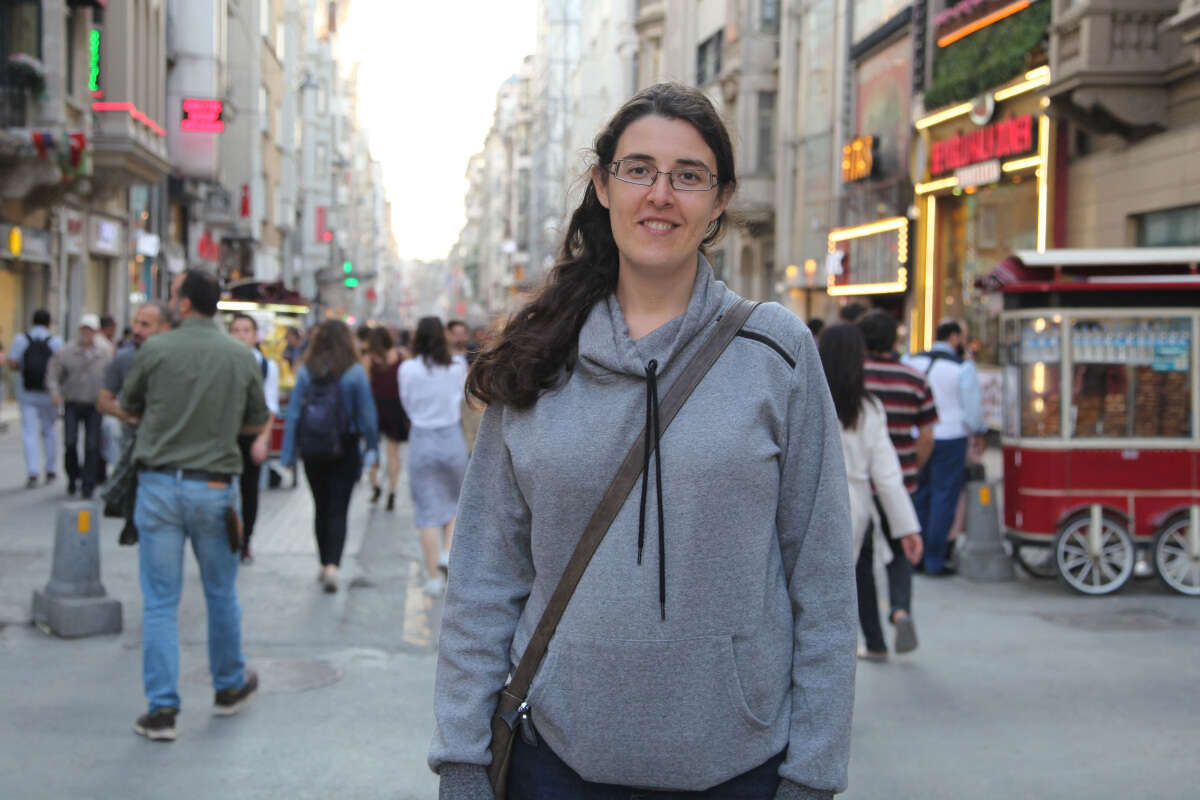
During 903 days of Iraqi captivity, Elizabeth Tsurkov, 38, experienced relentless solitary confinement orchestrated by a militia with Iranian backing, The New York Times reported. The initial months brought the most severe agony through unending physical abuse, sexual violence, and additional atrocities, she told the outlet.
"They whipped me all over," she stated in her inaugural post-freedom conversation conducted in September, The New York Times reported. "They basically used me as a punching bag."
Physical injuries prevented comfortable sitting, forcing Tsurkov, an Israeli Russian scholar pursuing doctoral studies at Princeton University, to recline during her account delivered at an acquaintance's residence, with intermittent pain requiring position adjustments, according to The New York Times. Across multiple interview hours with the outlet, she conveyed her abduction, imprisonment, and liberation narrative through predominantly steady delivery, occasionally punctuated by emotional moments.
Kataib Hezbollah, the predominant Shiite paramilitary organization among Iran-supported groups commanding Iraqi influence, held her throughout this period, she informed The New York Times. Sharing her ordeal serves to amplify Iraqi voices silenced by the group's torture practices, she explained to the outlet.
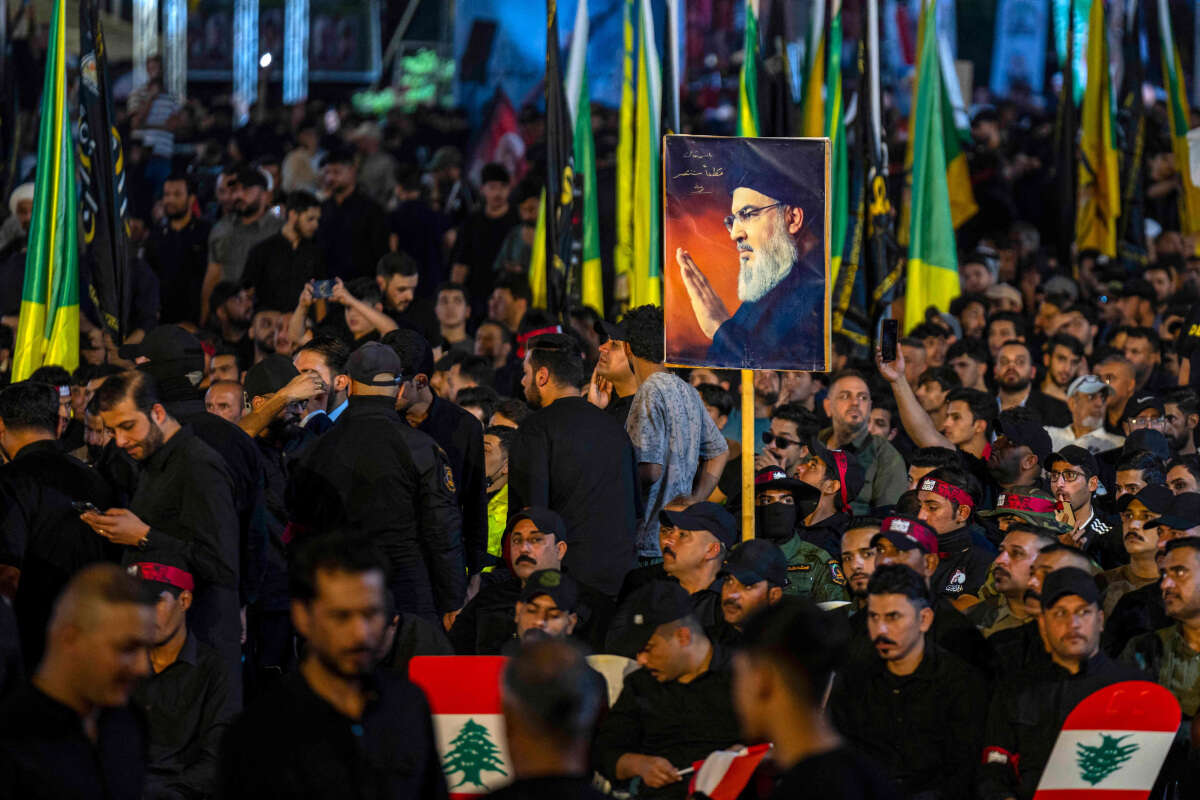
Her ordeal illuminates Kataib Hezbollah's unrestricted operational freedom within Iraq, The New York Times reported. Despite the Iraqi state's compensation for thousands of militia personnel, governmental authority over the organization's activities remains minimal or absent, according to the outlet. Baghdad's prime ministerial office expressed its "committed to holding accountable any party or individual involved in acts of kidnapping or torture," The New York Times reported.
Consistency marks Tsurkov's captivity account when compared against evaluations from her Sheba Medical Center physician in Israel following her return, with that doctor confirming nerve impairment potentially lasting permanently, The New York Times reported. Documentation from her medical file, which the outlet reviewed, chronicles extensive torture-related trauma, stating the necessity for "long-term physical and psychological rehabilitation" given the "severe damages and complex trauma."
Her circumstances transformed rapidly under diplomatic intervention, with the Trump administration providing decisive support, The New York Times reported. Washington applied sustained pressure on senior Iraqi leadership regarding her situation, sending representatives to Baghdad demanding advancement, according to the outlet. Mark Savaya, a business executive and Trump associate who had assumed critical involvement and would subsequently receive appointment as special envoy to Iraq, accompanied her flight to Cyprus, where Israeli military aviation collected her for homeward transport, the outlet reported.
"I genuinely believe I would have died if they had not engaged so consistently and with such incredible determination," Tsurkov told The New York Times.
Hostility defines Israel-Iraq relations, absent any diplomatic channels, according to The New York Times. Iranian alignment characterizes much of Iraqi governance, with Iran standing as Israel's principal adversary, the outlet reported.
Tsurkov had completed multiple visits to Iraq, conducting research into the Shiite faction under the guidance of influential cleric Muqtada al-Sadr, The New York Times reported. Precautionary measures were always taken on these trips, she informed the outlet: using a Russian passport, presenting as a Russian national, and avoiding contact with armed groups.
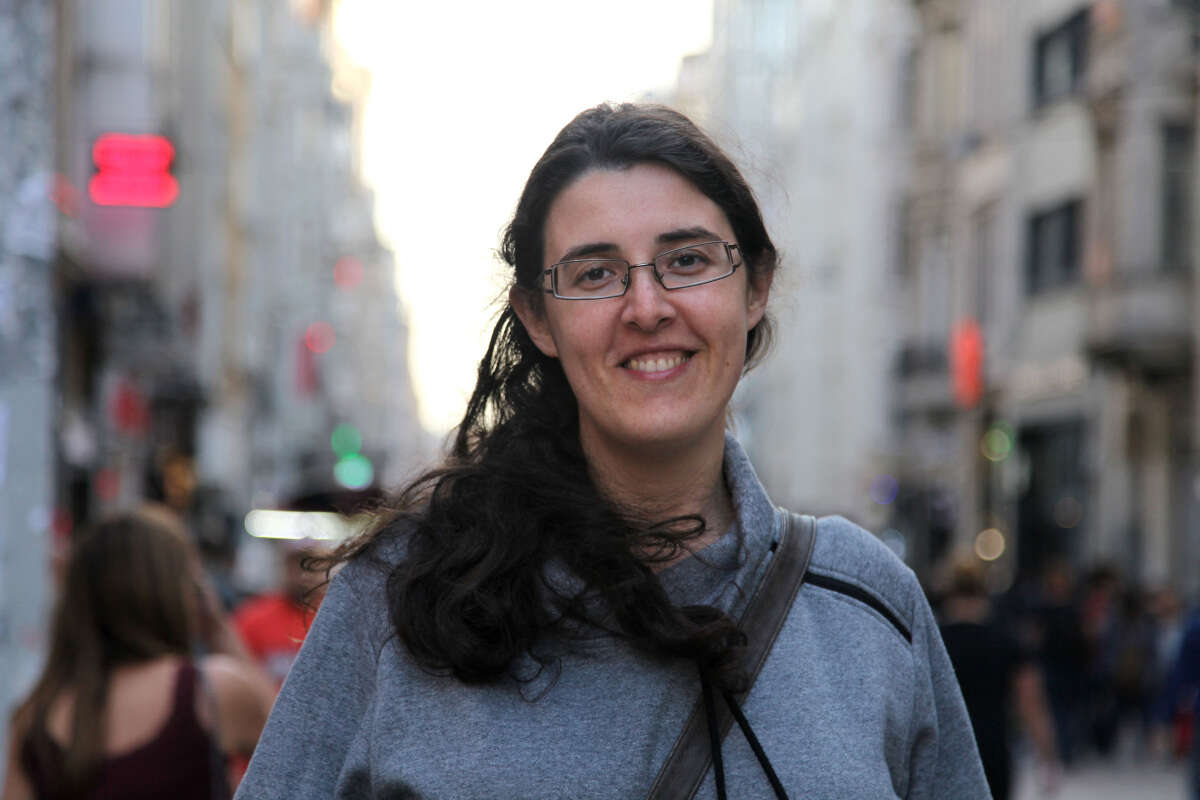
On March 21, 2023, Tsurkov was scheduled to meet a woman at 9:00 p.m. at a central Baghdad coffee establishment. WhatsApp introductions preceded this appointment, with the contact requesting assistance with Islamic State research while claiming shared acquaintance connections. Retrospective analysis led Tsurkov to view this arrangement as deliberate entrapment.
A dark sport utility vehicle approached as she proceeded homeward, with multiple men compelling her into the rear seating, The New York Times reported. Help calls and escape attempts followed, she recounted to the outlet, but kidnappers responded by beating and sexual assaulting her, the specifics of which the outlet agreed to withhold. "They started twisting my pinkie, almost breaking it," she recounted, The New York Times reported. "So I thought resisting more was pointless."
Transit involved zip-tie wrist restraints, her head covered with fabric, and phone confiscation, The New York Times reported. A vehicle stop forced her into trunk confinement. Approximately thirty minutes following abduction, the arrival occurred at a substantial residence. Four and a half months of residence in a camera-monitored windowless chamber followed, with inadequate nutrition and complete isolation, The New York Times reported.
Initially, her Israeli nationality remained unknown to abductors, suggesting ransom-motivated kidnapping, she informed The New York Times. One month into detention, circumstances worsened when phone evidence revealed her Israeli citizenship. Israeli espionage accusations followed, which both she and Israeli officials speaking with the outlet categorically rejected, The New York Times reported.
Her digital advocacy record and published material supporting Palestinian causes while critiquing Israeli governance became her defense, she told The New York Times. Persuasion failed with her captors, according to the outlet.
Confession refusal resulted in being "strung up and tortured," she informed The New York Times. Fabricated admissions to her interrogators commenced shortly afterward as a means to halt physical abuse, she told The New York Times.
Constructing plausible "confessions" without endangering Iraqi individuals became her focus, The New York Times reported. Her initial false testimony involved meeting a French journalist at a Baghdad café two years prior to coordinating anti-government protests. Her interrogators accepted this narrative, removing her from suspension, granting her permission to sit, providing her with food, and allowing her to rest.
That same day brought unwanted physical contact from the senior jailer, identified by others as "the colonel," who groped a thigh tattoo while threatening rape. "He was very filthy and very obsessed with sex," she told the outlet. Such threats from interrogators occurred constantly without execution, she informed The New York Times.
In July 2023, she endured the most severe torture sessions when kidnappers questioned her Israeli service, The New York Times reported. She claimed she worked in a hospital, while informing The New York Times that her actual role involved conscription into a low-level military intelligence directorate two decades earlier.
Two jailers, known as Ibrahim and Maher, delivered repeated beatings until she told the truth, she told The New York Times. "This tooth is missing because of that," she stated to The New York Times, indicating an oral gap.
July 5, 2023, marked Israel's inaugural public recognition of Tsurkov's abduction, declaring "we hold Iraq responsible for her fate and safety," The New York Times reported.
Her transfer arrived "by the grace of God," she told The New York Times. New custodians eliminated torture while introducing nursing care, according to the outlet. Books, notebooks, television equipment, and an Arabic thesaurus arrived, the outlet reported. Dietary variety and abundance replaced previous conditions, The New York Times reported. June 2024 renovations expanded her access to kitchen and bathroom facilities, according to the outlet. Yet solitary confinement persisted for more than two years within third-story windowless quarters, The New York Times reported. "I never saw the sun," she told The New York Times.
Her location and Israeli official assessments placed her at a Kataib Hezbollah installation near Iran's border, within territory beyond Iraqi governmental authority, The New York Times reported. Israel's twelve-day summer Iranian bombing operation brought strikes close enough to create structural vibrations, she informed the outlet.
Hundreds of millions in ransom demands from the militia received no serious consideration from American and Israeli officials, both current and former, The New York Times reported. In November 2023, she made a video appearance on Iraqi television, providing initial public confirmation of her continued survival, The New York Times reported. Couch-seated positioning accompanied scripted Hebrew statements claiming Israeli intelligence and CIA employment, The New York Times reported. Coded messaging conveyed the cruelty she experienced.
False residence claims in the Gan HaHashmal neighborhood signaled electrocution, with "hashmal" representing Hebrew electricity terminology, The New York Times reported. Fictional intelligence handler names incorporated wordplay for "torture" across Hebrew, English, and Russian languages, including "Ethan Nuima," where E. Nuim phonetically resembles "inuim," Hebrew's torture term, according to the outlet. Broadcast editing excluded these names, the outlet reported.
Months accumulated while constant pain from her injuries generated despondency and survival value questioning, The New York Times reported. Yet analytical thinking, she mapped her doctoral thesis by filling notebook pages alongside article concepts. Television glimpses of release campaign efforts, including her sister's interview appearances, elevated her emotional state, The New York Times reported.
On September 9, she met with Mark Savaya, one of her primary credited liberators, who described himself as a trump associate. American assistance requests from Israel followed, The New York Times reported. Adam Boehler, serving as US hostage envoy, became a dedicated advocate through social media campaigns and challenges to al-Sudani for enhanced action, according to the outlet. The intrusion by Boehler into the Baghdad meeting occurred uninvited during al-Sudani's discussions, according to three knowledgeable individuals who spoke anonymously to The New York Times about sensitive diplomatic matters. State Department senior adviser Massad Boulos met with the Tsurkov family last spring, promising them additional life confirmation, The New York Times reported.
Israeli elimination operations over recent years targeting senior Lebanese Hezbollah, Hamas, and Iranian officials had unsettled Kataib, with her status shifting from asset to liability, she told The New York Times.
White House commentary avoided a direct discussion of Savaya's involvement, issuing statements that Trump "is always concerned about Americans detained abroad" while remaining "willing to leverage our country's strength and his negotiating skills to intervene in this case," The New York Times reported. Baghdad's prime ministerial office credited "complex diplomatic and humanitarian efforts" by official Iraqi entities for her freedom, adding that "external threats or pressures had nothing to do with the Iraqi decision," The New York Times reported.
She was subsequently transported to the US Embassy. Embassy officials established video connections with her sisters, Emma and Avital, as well as Boehler, according to the outlet. "Are you alive? Because I buried you so many times in my head," Emma asked. "She said she was okay, but she would need medical care," according to the outlet.