Israel and Saudi Arabia are expected to begin direct negotiations to lay the groundwork for establishing normalization, with mediation and support from the United States. Israel Hayom has learned from American, Arab, and Israeli sources that in recent weeks, amid intensive contacts and message exchanges, Washington has been working to arrange an official announcement on the launch of the talks during Saudi Crown Prince Mohammed bin Salman's upcoming visit to Washington in about two weeks.
The talks involve President Donald Trump's senior adviser and son-in-law Jared Kushner, Strategic Affairs Minister Ron Dermer and a small Israeli team, Saudi Ambassador to Washington Reema bint Bandar Al Saud, and bin Salman's close advisers.
Trump:
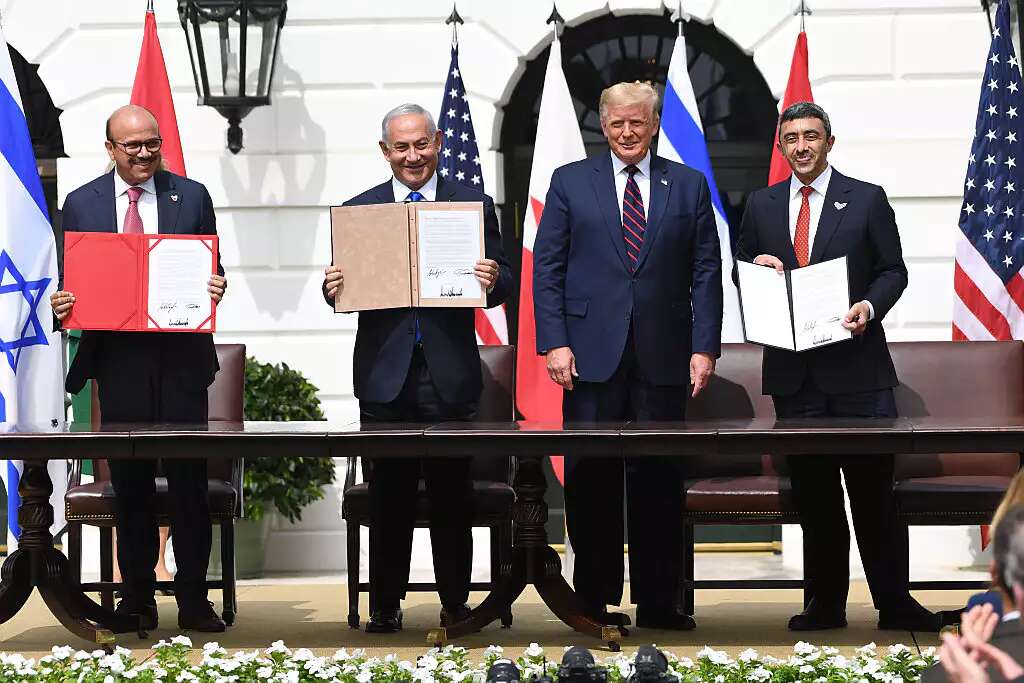
The Abraham Accords, hopefully Saudi Arabia will join very soon.
I'm not saying that, I'm not lobbying! pic.twitter.com/8I3WbWpwJk
— Clash Report (@clashreport) November 5, 2025
Before the war, the Saudis were reportedly on the verge of signing a normalization deal with Israel, but during the conflict they shifted course, hardening their conditions—especially on the Palestinian issue—and harshly criticizing Israel's actions. As previously reported by Israel Hayom, Riyadh no longer views Israel's current coalition government as a viable partner for normalization. Still, Prime Minister Benjamin Netanyahu's decision to support Trump's regional peace initiative, which includes a point outlining a path toward a Palestinian state, has opened the way for renewed momentum.
A senior American official previously said, "In the coming year, we'll see genuine rapprochement between Israel and Saudi Arabia. It may not be full accession to the Abraham Accords, but at least a significant political and economic development. It's not a gamble, it's geopolitics and economic interests. What should have happened long ago will finally happen soon."
That same official now says a breakthrough is expected in the coming weeks, since the strategic interests of Saudi Arabia, Israel, and the US are currently aligned, though some disputes remain unresolved.
Nuclear dispute at the center
The main obstacle is Saudi Arabia's insistence on building a nuclear facility on its soil with independent uranium enrichment capabilities. Former National Security Council head Meir Ben-Shabbat has written that bin Salman justifies the demand by pointing to Iran's declared intent to rebuild its nuclear program. One possible compromise involves an American-built nuclear plant on Saudi soil, staffed and secured by Americans. It remains unclear whether Israel would accept such an arrangement. In the past, Israel reportedly softened its opposition to the general idea, though negotiations are ongoing.

The Saudis have also demanded that the Palestinian Authority be included in Gaza's postwar reconstruction framework, a step Israel opposes. However, sources close to the talks say this issue is unlikely to block progress. Riyadh supports Israel's position that Hamas must be disarmed in line with Trump's plan, conditioning its participation in Gaza's reconstruction and a multinational demilitarization force on that requirement. Washington is expected to urge the Saudis to join at least the rebuilding of the Gaza areas currently under Israeli security control.
F-35 issue
Bin Salman's upcoming visit to Washington is primarily aimed at signing a new defense pact similar to one recently concluded with Qatar, along with major arms deals. Israel's main concern relates to the potential sale of F-35 stealth fighter jets to Saudi Arabia.
Reports this week suggested the Pentagon has already approved the sale of F-35s to the kingdom, pending further approval by the US cabinet and possibly Congress. The final decision, however, lies with President Trump.
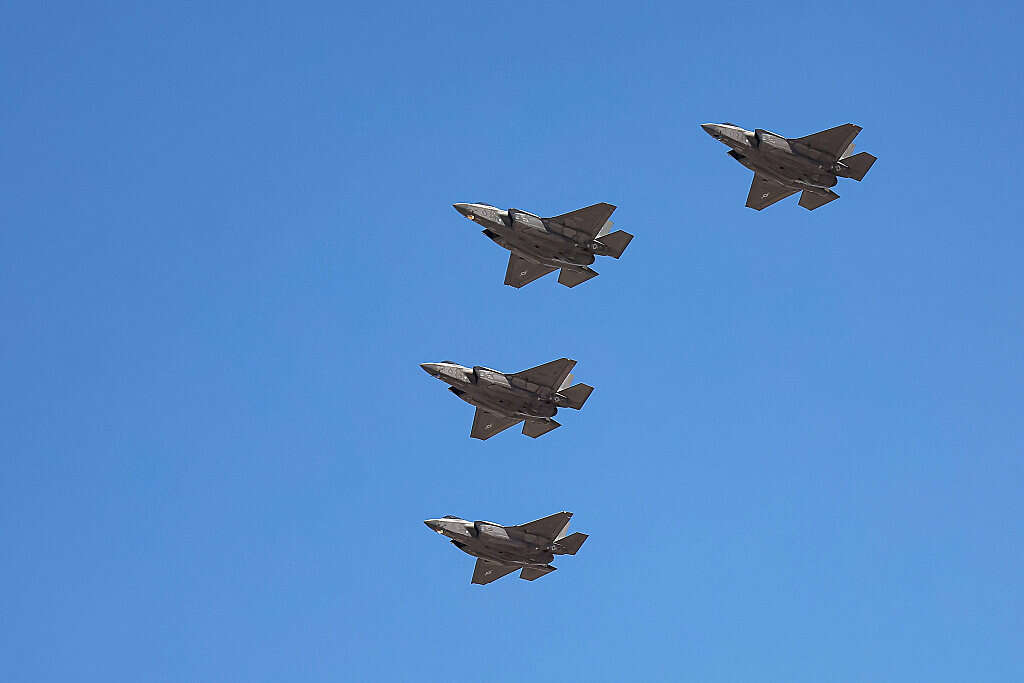
The F-35, a fifth-generation stealth aircraft, has been sold to 19 countries, mostly Western allies, as well as to Singapore, Japan, and South Korea. In the Middle East, only Israel currently operates the jet, with a unique advanced model equipped with systems exclusive to its air force. Saudi Arabia, Turkey, Egypt, and the United Arab Emirates have all expressed interest in purchasing it.
Netanyahu previously authorized the sale of F-35s to the UAE as part of the Abraham Accords, though he initially denied it. Riyadh now cites that precedent in seeking similar approval. The Pentagon's advancement of the deal signals Saudi willingness to formalize its commitments—namely, normalization with Israel in exchange for the aircraft.
Security cooperation
Regional security cooperation, already operating under the US Central Command (CENTCOM), also underpins the current process. Facing the Iranian threat, Riyadh is eager to strengthen its defense partnership with Israel, particularly regarding missile defense, intelligence, and other advanced capabilities.
This partnership was demonstrated in reverse during the June war with Iran, when Saudi military helicopters intercepted Iranian drones en route to Israel, a move previously reported by Israel Hayom.
Nevertheless, given the political composition of Netanyahu's coalition and Saudi reservations toward its right-wing members, any normalization is expected to begin with economic and trade agreements rather than full diplomatic ties.
A Gulf diplomat told Israel Hayom that while progress is evident, "it's not certain that there will be a formal announcement of direct talks yet. There's little chance of full normalization with the current Israeli government, but a good chance for initial economic and trade agreements."
Even such a step would mark a major breakthrough in Israel's relations with the Arab world—unless, as in October 7 2023, events derail the process once again.
Further discussion on Israel-US relations will take place at the Israel Hayom Summit on December 2 at the Hilton Midtown Hotel in New York City.