

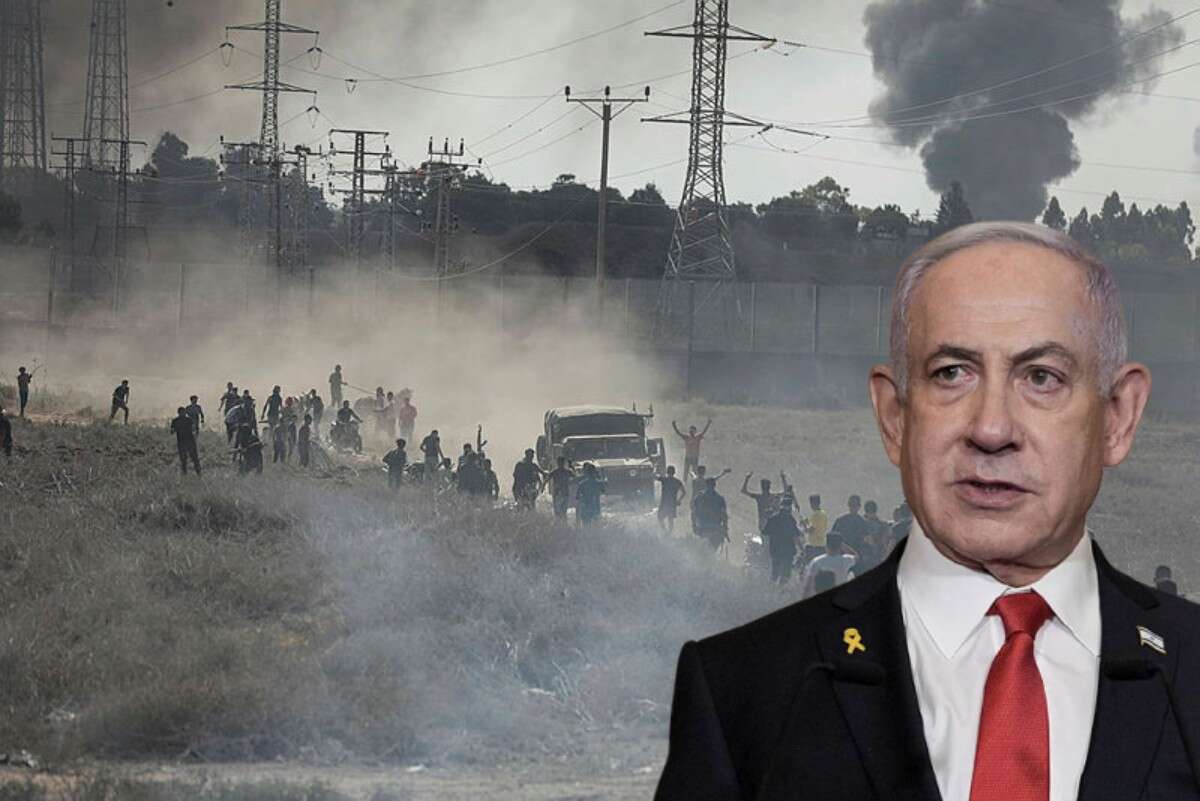
Two parallel realities unfolded Sunday simultaneously, in the same nation. In one reality, at the IDF chief's office in the Kirya in Tel Aviv, the military wrapped up a profound, thorough and uncompromising self-examination, accepting responsibility for the October 7 catastrophe and the duty to learn and fix what failed. In the other reality, at the Knesset plenum in Jerusalem, the prime minister declined to accept any responsibility for that same catastrophe that happened on his watch, and even made clear he has no plans to establish a state commission of inquiry to scrutinize his actions.
Some will say this is precisely Netanyahu's aim – to leave the IDF holding all responsibility. To hope time passes and the public grows weary or forgets, and the reality-mandated national investigation becomes unnecessary by itself because responsibility was already taken. But yesterday's military investigation of investigations demonstrates exactly why a state commission of inquiry remains reality-mandated.
The flaws discovered are extensive, but they fall short without a necessary examination of interfaces within the security establishment (between the IDF, Shin Bet and police) and between it and the political level – without which carrying out the mandated national correction preventing a similar catastrophe in the future won't be possible.
What emerged yesterday isn't an investigation in the straightforward sense. The team led by Maj. Gen. (ret.) Sami Turgeman didn't restart the process from zero, but examined what already happened across 25 main investigations. His work served two purposes – ensuring findings and conclusions are precise so the IDF has a calibrated compass forward, and stamping them with a seal that strengthens public confidence in the military as an institution that probes itself and extracts lessons.
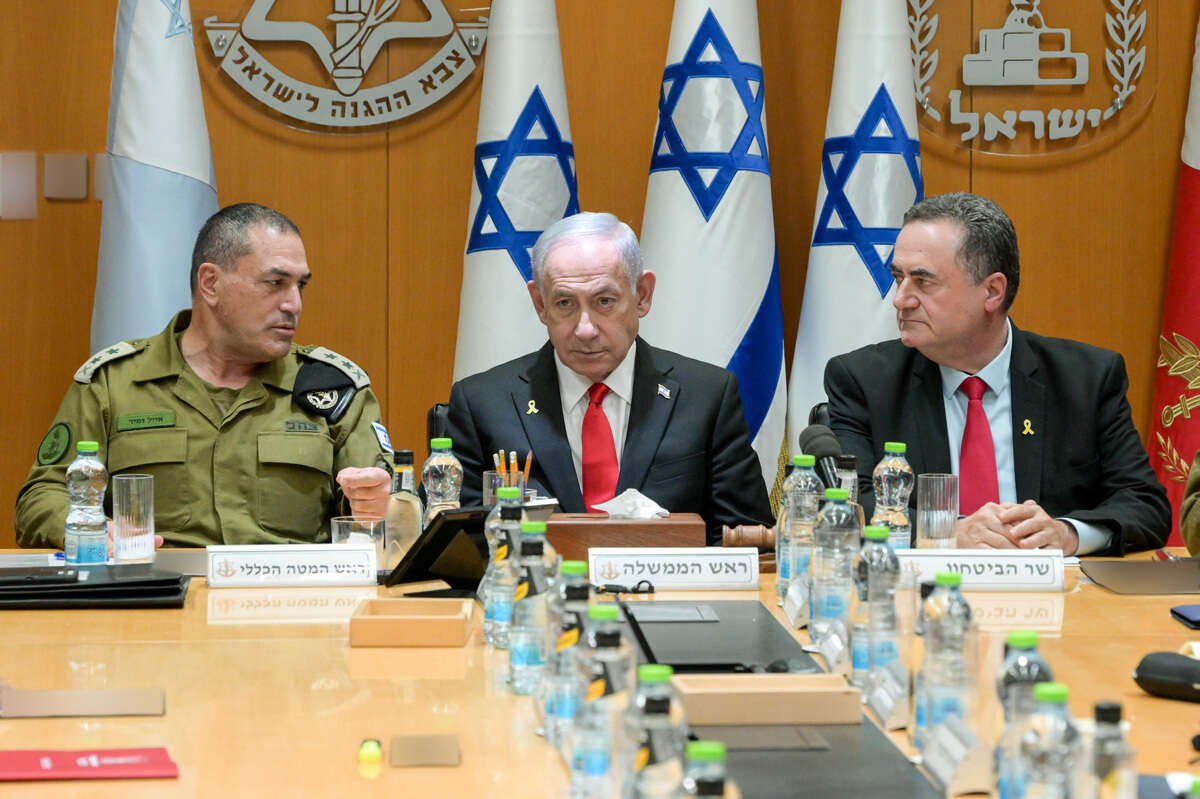
Turgeman executed two significant moves distinguishing his work. First, a detailed examination of each investigation, while marking its professionalism – green for successful and credible; orange for needing improvements; and red for flawed investigations that can and should be redone. Second, horizontal integration across all investigations, previously examined separately, and crafting conclusions enabling for the first time examining the breakdown not just by viewing each unit alone but from an elevated perspective of the entire IDF.
The findings Turgeman unveiled yesterday to the General Staff (some triggering intense debate among the generals) aren't startling. Their essence is obvious from the outcome itself – breakdown in deterrence, breakdown in warning, breakdown in defense. One by one, every pillar of Israel's security doctrine crumbled. Even the fourth pillar, the offensive one, faltered for extended hours because the IDF wasn't ready to mount a response to a surprise assault of this scale.
One could think that a single element, in a single location, at a single instant, might have sufficed to avert the tragedy, but that's a flawed conclusion – the root of the breakdown Turgeman highlights runs exceedingly deep and wide, and paradigmatic. It cuts across branches, corps, and commands, and naturally, commanders. Even had October 7 been averted on October 7, it would have occurred at another moment, because the system didn't just doze off at a particular point during guard duty – it was engulfed in profound and years-long dormancy.
Now the IDF faces lesson-learning. Some will contend this suffices – if more intelligence sources exist in Gaza (and other theaters), more tanks line the barriers, more commanders staff headquarters – the next tragedy gets prevented. Accepting only that would likewise be a mistaken conclusion. The IDF doesn't exist in an isolated universe. Its operations extend government policy. Without it being complete – in investigation, in systemic learning, in embedding lessons – no insurance policy for national security exists.
The government, as noted, avoids this. IDF Chief Eyal Zamir handed it double ammunition yesterday – first when he assumed (rightfully) responsibility for the IDF's breakdowns; second when he stated establishing "an external, systemic, multidisciplinary, integrative commission of inquiry" is necessary. His avoidance of the phrase "state commission of inquiry" – which he backed previously – shows Zamir picks his confrontations with the political level, but might leave the State of Israel, and the IDF inside it, without adequate answers to the more crucial battle.

Zamir, more than anyone, recognizes that in numerous ways Israel absorbed the lesson, but in other vital ways it hasn't. The decision-making mechanism today functions worse than it operated on October 7's eve, the Diplomatic-Security Cabinet operates partially and the National Security Council remains present-absent. The IDF (and Shin Bet) stand as the sole entities genuinely working to extract lessons – those accountable stepped down and departed, the investigations got executed, and the conclusions will get embedded.
For this cause, the IDF chief would benefit by avoiding dismissing the Military Intelligence Directorate head, Maj. Gen. Shlomi Binder. The shortcomings in his performance as Operations Division head that Saturday were certainly substantial, but the elapsed time, his achievement in his current role and the General Staff's fragility demand stability. This might irritate certain politicians, but they're the last ones who can speak a word about it.


