"I've been in complete isolation for 15 months. The regime fabricated ridiculous terrorism charges against me. If they find me, they'll disappear me – that's the best case. Like thousands of other Venezuelans, I'm forced to hide. More than 900 political prisoners are locked in prisons, and thousands more have been forced to flee in recent months. But thanks to technology, even from isolation, I communicate daily with thousands of Venezuelans around the world. I'm not alone. I work day and night. I'm certain that one day I'll be able to walk the streets of my country again and hug my children and millions of Venezuela's sons and daughters."
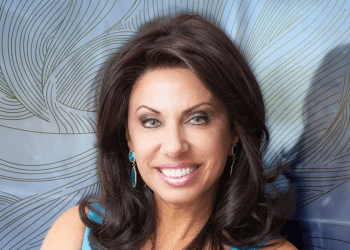
María Corina Machado, Venezuela's opposition leader, has lived in hiding for 15 months. Dictator Nicolás Maduro tried every tool in his authoritarian arsenal against her, but all his efforts to silence the woman who became the embodiment of stubborn resistance to his rule came to nothing.
Machado (58) continues leading the opposition to Maduro from underground, almost completely disconnected from the world. The regime pinned false charges on her, her family members were forced to flee Maduro's terror, and hundreds of her supporters were thrown in prison. But María Corina Machado, the woman considered a symbol of the struggle for freedom and democracy in Venezuela, sounds confident in her cause and more determined than ever to successfully complete Venezuela's liberation mission.
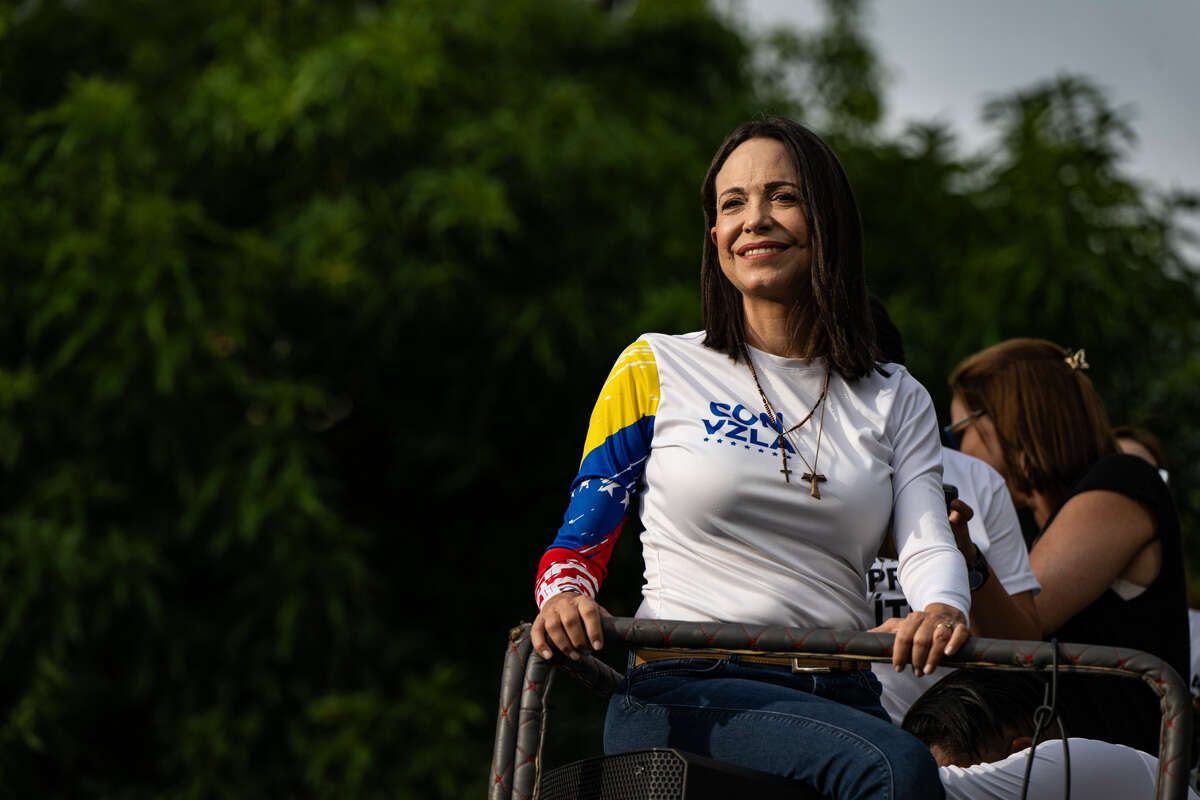
Since winning the Nobel Peace Prize, the Venezuelan tyrant's fury has only grown. Maduro called Machado a "demonic witch," perhaps hoping to create tensions between her and President Donald Trump, who himself hoped to receive the prize. That attempt didn't work. Machado responded to the announcement with warm words toward the US president. He deserves a Nobel Prize, she said simply. With that, she expressed both her ideological closeness to Trump's right-wing values and her political wisdom not to fall into the trap of an artificial quarrel with someone threatening Maduro's continued rule in Venezuela today.
"No strategy can replace moral courage. You need to listen to the people and stick to the truth even when it's politically inconvenient, even when it costs you elections or personal freedom. Our movement is based on trust between citizens and between the people and leadership – and that's what makes it unbreakable."
Machado later also supported Trump's decision to wage total war on Venezuelan drug cartels poisoning American youth with cocaine and feeding Maduro billions of dollars. Like many others, she yearns for the day when the tyrant's grip on power will crack. Will external pressure from Trump be the catalyst for the fall of his left-wing dictatorship? Time will tell, but Machado is convinced freedom is closer than ever.
How do you describe the current state of the opposition movement in Venezuela after years of suppression and division?
"Venezuela's democratic movement today is stronger, more united, and more determined than ever. In 2023, millions of citizens chose me in historic primary elections – I received 93% of the votes. When I was banned from running, that same moral spirit rallied around Edmundo González Urrutia, who won the presidential election despite the harsh conditions rigged in the regime's favor. In the general election, he won more than 70% of the votes and defeated Maduro. We built a massive citizens' movement – an entire people united around the values of truth, justice, freedom, and dignity. We have one leadership and one goal – to restore our rights, return democracy, and see our children come home."
You face a dictator willing to do anything. Do you still believe peaceful governmental change is possible under his rule?
"I believe the transition has already begun. The Venezuelan people made their decision in the elections with courage and clarity. Maduro and his people received numerous opportunities to honor the people's will – before, during, and after the elections – and they chose to reject every possibility. We offered an agreed transition to democracy with guarantees, and they responded with the harshest wave of suppression in our history. Despite all this, we participated in the elections – even though they were conducted unfairly, without free media, with our volunteers persecuted and entire communities living in fear – and we still won by an overwhelming majority. Maduro chooses violence because that's all he has left. Truth has already defeated him."
What are the main obstacles standing in the way of free elections in Venezuela?
"Maduro's regime, which is essentially a narco-terrorist dictatorship, destroyed all the institutions designed to ensure the people's will. He controls the election committee, the justice system, the military, and the media. Today, Venezuela's citizens are hostages of a crime regime that turned the country into the criminal hub of the Americas."
To avoid facing you, Maduro passed a decision disqualifying you from running in the presidential election. Do you think the international community did enough to challenge that decision?
"The international community could and should have done much more. Maduro's regime signed the Barbados Agreement with the US, committing to hold free elections in exchange for sanctions relief. We fulfilled our commitments, and they violated theirs. Even though the regime set completely unjust conditions, we competed, won, and proved to the world what the people's will is."
How do you assess the role of the Venezuelan military? Are there signs of defection from supporting Maduro, or at least neutrality from the military?
"Definitely. There are growing cracks in the military. The election reports we collected indicate that in polling stations located on military bases, most soldiers voted for opposition candidate González. The regime exercises particularly brutal terror on them – they and their families became victims of torture, disappearances, and crimes against humanity. They too support the transition to democracy, and they too are victims of Maduro's cruelty. Many of them are ready to stand with us when the moment arrives."
Some in the opposition chose negotiation with Maduro. You stuck with frontal struggle. Why?
"For years, the regime exploited fake 'peace talks' to buy time – 17 dialogue initiatives over 26 years – to deceive the world, gain legitimacy and funds, divide the opposition and deepen its brutal grip on Venezuela. Unfortunately, some former opposition leaders cooperated with this theater, designed to give an appearance of pluralism while our real leaders are imprisoned, in exile, or underground. We're ready to talk about only one thing – the regime's exit conditions and restoring the people's mandate as expressed at the ballot box on July 28, 2024, the last election day when Maduro was defeated. The people will accept nothing less."
What did you learn from past opposition movement failures?
"The key is the people. Always. We learned that politics without truth is empty, and that no strategy can replace moral courage. You need to listen to the people and stick to the truth even when it's politically inconvenient, even when it costs you elections or personal freedom. Our movement is based on trust – between citizens and between the people and its leadership – and that's what makes it unbreakable."
"Human dignity is sacred to me," she shares her worldview. "I believe every person is rational and has a natural right to determine their future. Freedom also means taking responsibility for the consequences of our choices. I believe in a system where individual freedom is at the center. Only a free society, one that fully maintains the justice system, can truly guarantee human dignity."
What do you say to young Venezuelans who lost faith in politics and chose to leave the country?
"Venezuelan communities outside the country are among the most educated and creative in the world. We're talking about almost a third of the country's population! They didn't leave because they gave up on Venezuela, but because they couldn't see a future under a system that destroyed every opportunity and under a regime that harmed all basic living conditions. And still, I tell them – even from afar, you continue to innovate, create, and represent the good in us. In the last election, we saw how your creative spirit and determination turned the process into one of the most impressive civilian initiatives in our history. Free Venezuela will call you to return – with your knowledge, experience, and passion – to build a country that rewards excellence and integrity. The day you return will be the rebirth of the Venezuela we dreamed of together. Your hearts never left. I dream of the day I'll stand on Simón Bolívar Bridge, the place from which I saw millions leaving, to welcome them on their return. The moment Maduro falls, hundreds of thousands will return, and then millions – doctors, engineers, teachers, and entrepreneurs."
When Venezuela is free, what will be your first three steps as the country's leader?
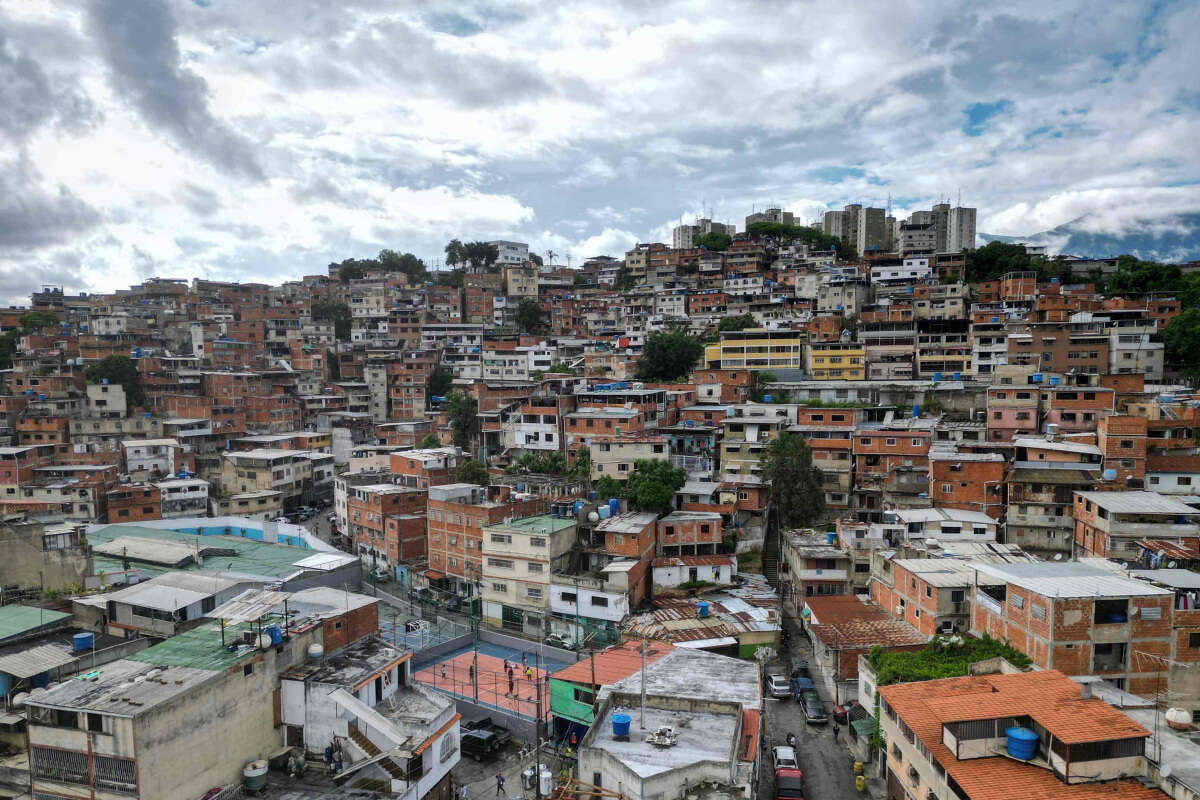
"The country is destroyed, and everything needs rebuilding. First and foremost, we'll restore order, security, and the rule of law, so that all citizens, investors, and families can live without fear. Second, we'll open the economy to the world, create conditions for the return of Venezuelans who have gone into exile, and attract investments that will bring prosperity and employment opportunities from our resources. And third, we'll strengthen democratic institutions so that power once again serves citizens, not the other way around. Venezuela will transform from a crime hub into the energy, security, and technology hub of Latin America."
Despite her inherent optimism, Machado understands that even in the best-case scenario of the dictator's departure, the issue of rehabilitating state institutions that have been turned into tools of suppression will be of paramount importance. That's how it is in every country that frees itself from authoritarian rule.
"We don't underestimate the task's complexity," Machado explains. "We're inheriting a destroyed country, a ruined economy, and institutions that no longer exist. But that's precisely where a historic opportunity lies to build a new system based on talent, solidarity, sharing, respect, and equality before the law. We're ready. We have detailed plans for the first 100 hours and the first 100 days, cohesive teams, and a roadmap for every area."
Two and a half decades ago, Venezuela was considered one of Latin America's most prosperous countries with a strong democracy. Thanks to its huge oil reserves, the country enjoyed enormous revenues, an extensive welfare system, and a standard of living among the continent's highest. Caracas was a preferred immigration destination, the stable currency allowed residents to travel to Europe, and the political system, for all its flaws, preserved freedom.
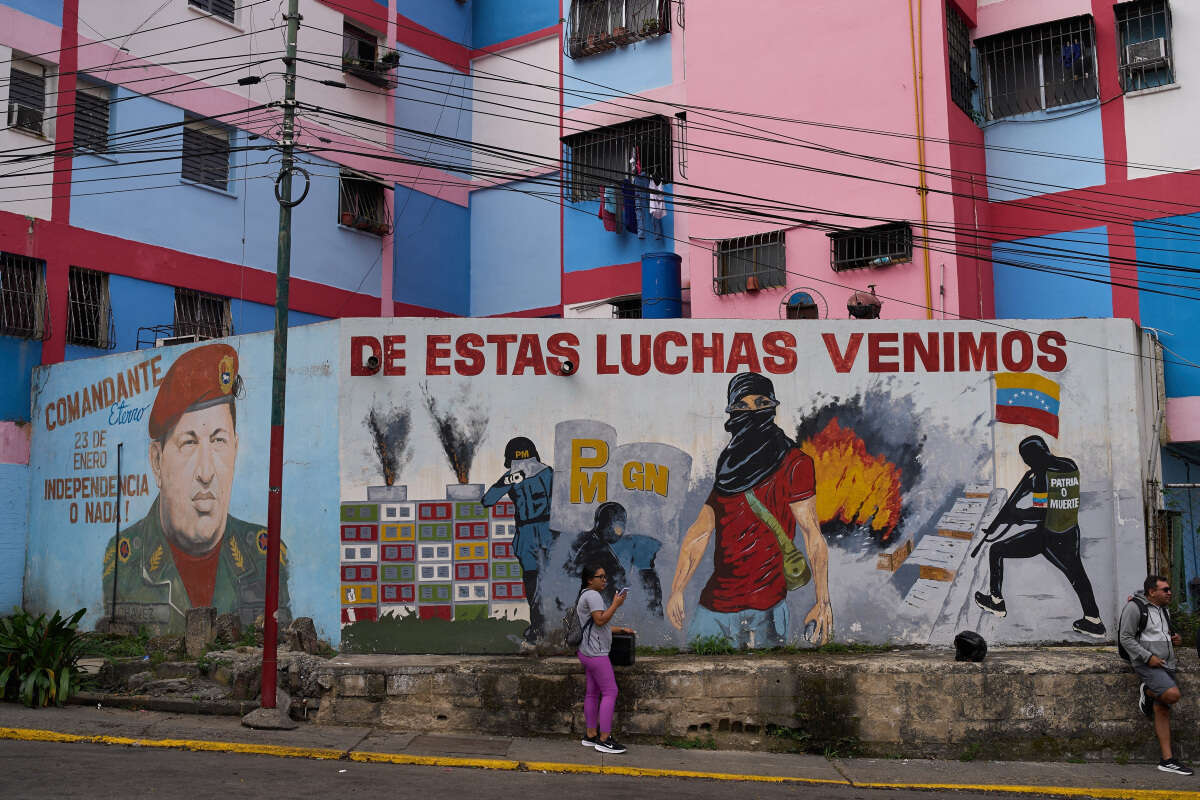
Everything changed in 1999 with Hugo Chávez's rise to power – a charismatic Army colonel who exploited social frustration from economic gaps. Chávez promised a "Bolivarian revolution" that would return wealth to the people, but in practice established an authoritarian regime that accumulated unlimited power in the name of "the oppressed majority."
As a declared socialist, he nationalized thousands of companies, took control of the justice system and media, and gradually eliminated oversight and democratic institutions. He called his mad system, which merged classic leftist ideas with local characteristics, "Chavismo," and threatened to bring the leftist revolution to the entire continent.
Initially, when oil revenues were enormous, Chávez managed to buy loyalty through generous subsidies and social projects. But behind the social mask, an economic system was built that depended solely on oil, corrupt and inefficient. When world prices began falling, the economy collapsed. Instead of reforms, Chávez predictably chose to deepen suppression and blame the US and "global capitalism" for all troubles.

Meanwhile, he abandoned Caracas' historic alliance with Washington and the free world. Instead, the dictator built a new axis of anti-Western alliances – Iran, Russia, and Cuba became strategic partners. Tehran supplied technology and military knowledge, Moscow provided credit and weapons, and Cuba sent thousands of security advisers who brought "expertise" in areas like intelligence gathering, establishing secret police, and civilian suppression.
With Chávez's death in 2013, Nicolás Maduro inherited him – a former bus driver and Chávez's trusted man. Unlike his predecessor, Maduro lacks charisma but has proven himself to be a cruel and rigid ruler. He deepened dependence on Russia and Iran, turned security services into a violent persecution mechanism, and completed Venezuela's transformation into a military mafia dictatorship with radical leftist character.
The regime survives through total control of the military, media, and election system, while cooperating with drug cartels and terror organizations. More than 8 million Venezuelans fled the country in the last decade – the largest immigration crisis in Latin American history.
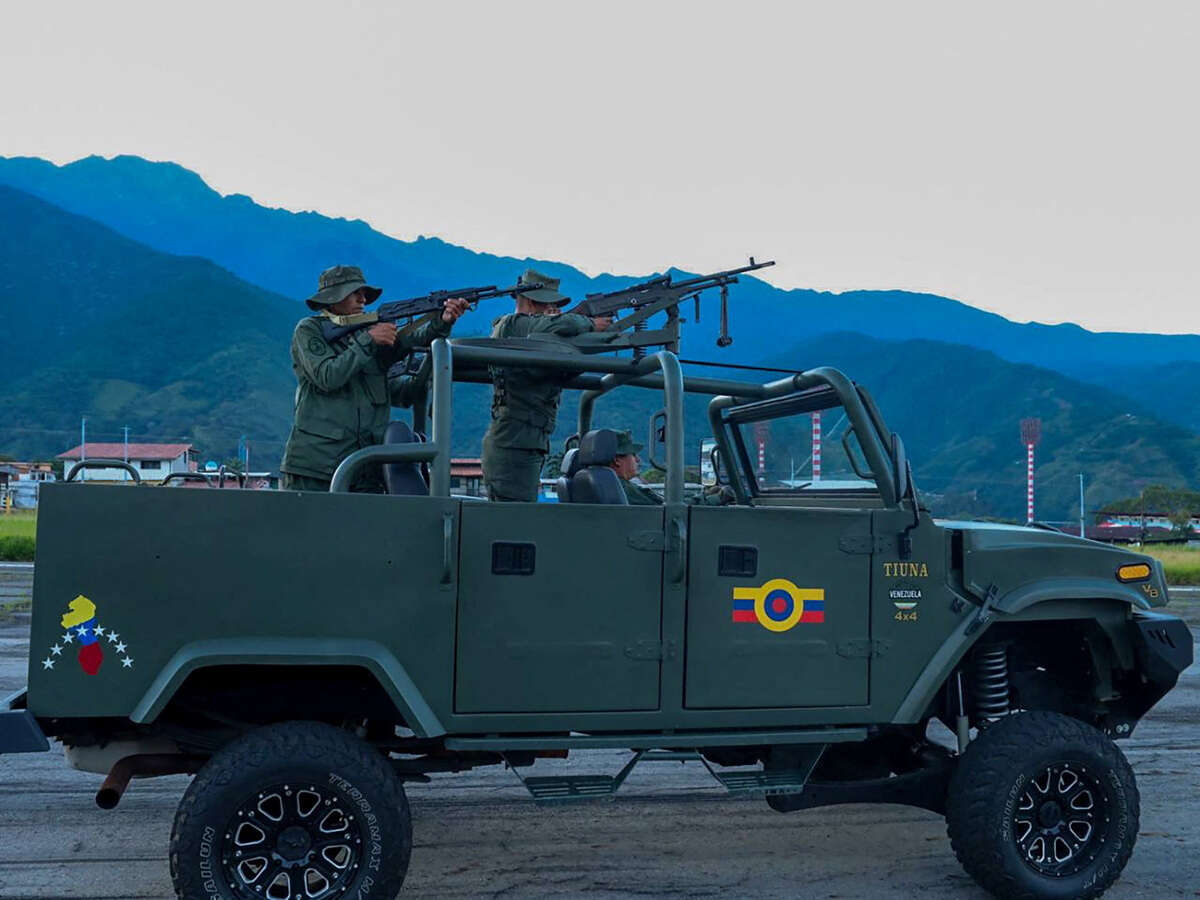
Meanwhile, Iran established its military presence in Venezuela, including cooperation in developing drones and Hezbollah activity in the country's territory. The Russians didn't sit idle either. They identified an opportunity to sting the Americans in their backyard, established an ammunition factory in Venezuela, and supplied the tyrant duo of Chávez and Maduro with respectable quantities of advanced weapons.
This alliance with America's enemies turned Venezuela into a central link in an anti-Western axis connecting Latin America to the Middle East. Today, Maduro's regime functions as a sort of protectorate of international crime, drugs, and terror. For many Venezuelans, and foremost opposition leader Machado, this is a story of intentional destruction. In her view, it simply couldn't have led to any other outcome.
How do you explain the collapse of Venezuelan society under Chavismo?
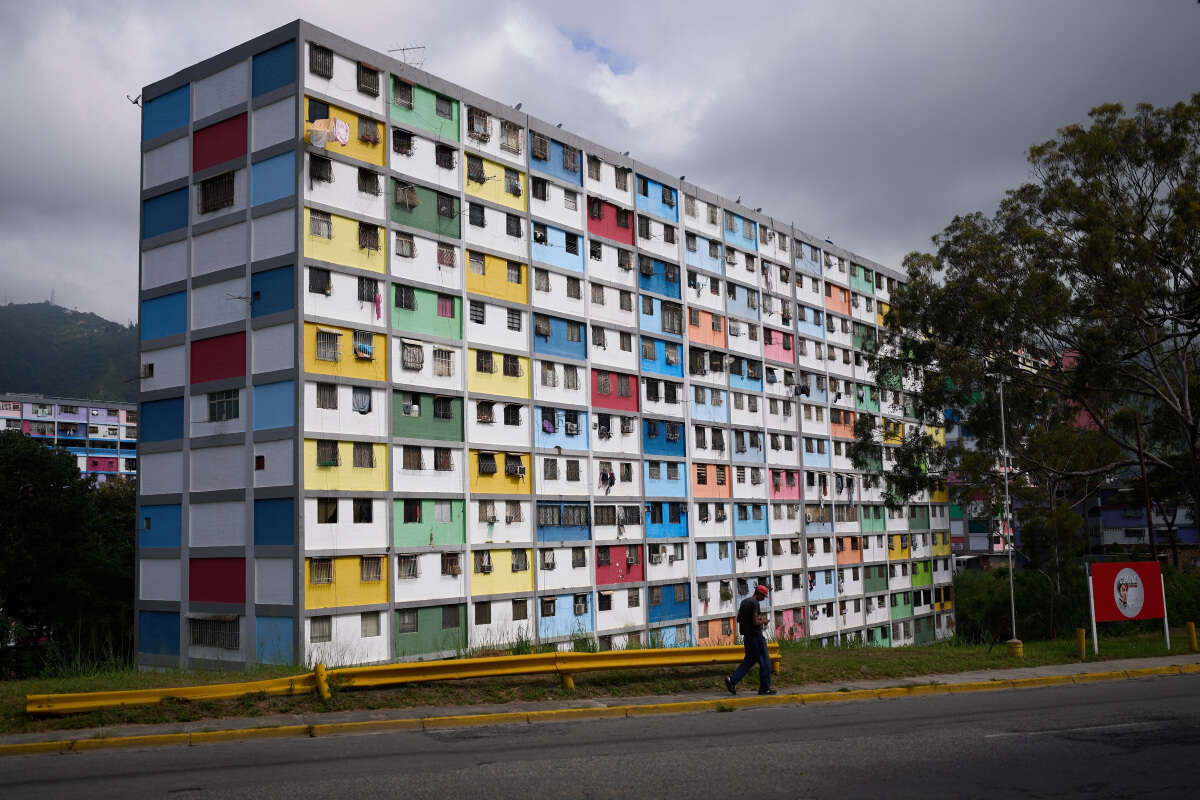
"Chávez's socialist doctrine was full of tempting but empty promises. He promised equality and turned all the people equally poor and equally humiliated. He nationalized several thousand companies, destroyed the productive economy, and demolished the education system and social services to rule through poverty and ignorance. Today, most children in Venezuela don't regularly attend school, pensions are worth less than a dollar a month, and the country is ruled by crime organizations and militias. Chávez and Maduro allied with the West's enemies – Russia, Iran, China, and Islamic terror organizations – and turned the country into a link in a hidden network of dictatorships and international crime. This wasn't a random mistake; it was intentional planning to destroy the republic and turn citizens into slaves."
How will Venezuela's enormous oil wealth be managed transparently in the future?
"Venezuela holds the Western Hemisphere's largest energy reserves – potential of $1.7 trillion. Maduro's regime plundered that wealth. After liberation, we'll privatize the oil industry with transparency and public oversight. Venezuela will become America's energy hub and a reliable partner in regional security."
What's your opinion on the regime's ties with Iran and Russia?
"Iran and Russia are truly the foreign factors interfering in Venezuela's affairs, and this has been the situation in recent decades. Iranian Revolutionary Guards operate in our Air Force bases, training soldiers in producing and using drones – turning Venezuela into the only Latin American country manufacturing Iranian armed drones. Under the Maduro regime's protection, Tehran expands its terror networks and launders money across the region for terror organizations like Hezbollah. With Maduro's permission, the Iranian regime penetrated Venezuela's military and security forces. As for Russia, it remains the main weapon supplier to Venezuela's authoritarian regime. The Russians supply the regime with fighter jets and air defense systems, and even launched a Kalashnikov factory in Venezuela for ammunition production. In return, they receive oil."
Since Hugo Chávez's rise to power, Venezuela has become one of the most hostile countries to Israel and Zionism in Latin America. Chávez, who saw himself as Fidel Castro's ideological heir and an ally of other leftist regimes, severed diplomatic relations with Israel during Operation Cast Lead in 2009, accused Israel of "genocide against the Palestinian people" and compared its policies to Nazi conduct.
He hosted delegations from Hamas and Hezbollah in Caracas and opened the country's doors to Iranian intelligence and military activity. His successor continued the anti-Israeli line with even more intensity. Thus, Venezuela, which previously maintained warm relations with Israel and even purchased security technologies from it, became a center of hostile propaganda toward Zionism and the Jewish state, as part of its aspiration to define itself as the spearhead of the anti-Western and anti-American camp.
Unlike the terror-loving dictator facing her, Machado promises to change her country's attitude toward Israel from one extreme to another, and doesn't hide her sympathy toward us. In recent years, she spoke about her intention to establish Venezuela's embassy location in Jerusalem and stood with the Jewish state after the October 7 massacre, while Maduro supported Hamas.
Will you restore diplomatic relations with Israel and establish Venezuela's embassy location in Jerusalem, as President Donald Trump did?
"Certainly. Venezuela will be Israel's closest ally in Latin America. We rely on Israel's support in dismantling Maduro's crime regime and in the transition to democracy. Together we'll lead a global struggle against crime and terror. The Venezuelan people deeply admire Israel and will always defend its right to live in peace without threat to its existence."
What is Israel's image in Venezuela and Latin America in general? Did the Maduro regime's brainwashing achieve its goal?
"In Venezuela, Chávez and Maduro's brainwashing didn't work. Many Venezuelans admire Israel, its courage, its innovation, and its perseverance despite constant threats and attacks since its establishment. Hundreds of years ago, Sephardic Jews arrived in Venezuela from the Caribbean islands. In the 20th century, my country was among the nations that welcomed Jews fleeing the Nazis. They integrated seamlessly into our society and made enormous contributions to Venezuela's development. Unfortunately, many were forced to emigrate because the regime persecutes the Jewish community, but I want them to return immediately when Maduro's regime falls."
How can democratic countries, including Israel, support freedom movements in Venezuela without being accused of interference?
"First, Venezuela has already been occupied by crime forces – Iran, Russia, Cuba, Islamic terror organizations, drug cartels, and guerrilla groups. All these acted against the Venezuelan people's will to destroy our country. All we're requesting today is assistance in fulfilling the people's will, as expressed in elections, which gave a clear democratic mandate for regime change and received recognition from the international community. Support for Venezuela's democratic struggle is a moral duty beyond politics. Defending freedom, individual liberties, and democracy isn't interference – it's choosing good over evil, democracy over tyranny, justice and order over anarchy and crime. Israel understands this, as do many other allies in the free world."
What strengthens you personally despite persecution and arrests?
"I imagine in my mind life in free Venezuela. Knowing the road's end is freedom, peace, and our children's return home is what drives me forward. I draw strength from the Venezuelan people's courage, who continue standing with dignity against Maduro's regime despite extremely harsh conditions and terrible tyranny. My confidence comes from knowing we have moral power to overcome, and with God's help, we indeed will overcome."
What about your family?
"I feel guilt about the price my family members were forced to pay – my parents, my husband, my children, my sisters, and nephews. The attacks harmed their bodies and well-being. My father's company was completely nationalized, leaving thousands of employees unemployed and entire industries destroyed. They surrounded our homes and threatened my family members' lives until I was forced to remove everyone from the country. As a mother, I feel enormous pain for the moments I missed – my children's university graduation ceremonies, my daughter's and son's weddings. What hurts most is the damage to our dignity, because my father always taught me that's what matters. Through lies and manipulation, the regime tried to harm my family's dignity. The Venezuelan people responded astonishingly. When I was attacked, they showered me with love and trust and strengthened me more than ever, so I'm completely certain that in the end, everything I had to go through was worth it."
Do you feel you "stole" the Nobel Peace Prize from President Trump? Does he deserve it next year?
"I believe President Trump absolutely deserves the Nobel Peace Prize. Within just months in office, Trump led extraordinary initiatives to advance world peace, including a historic peace agreement in Gaza that received broad international support, including in Latin America. In Venezuela's case, we feel he particularly deserves the prize because he's the most consistent supporter of freedom and democracy in our hemisphere. Venezuelans inside and outside the country thank him greatly for courageous and visionary leadership in the struggle against drug and terror cartels supported by the West's enemies and against crime networks responsible for so many deaths in America. Maduro started this war, but we believe President Trump will finish it."