


US officials and defense experts told Reuters on Wednesday that the United States will sell Saudi Arabia F-35 jets in a downgraded configuration compared to those provided to Israel, in line with US law that guarantees Israel's regional military superiority.
The White House announced its approval of the sale earlier this week, but officials clarified that the Saudi jets will not include the advanced capabilities of the model used by Israel, including high-end weapons systems and electronic warfare equipment.
These comments contradict statements made by President Donald Trump during his meeting with Saudi Crown Prince Mohammed bin Salman, in which he said: When you look at the F-35, I think it will be similar. Israel is a great ally, and so are you. I know they want you to get a downgraded model, that probably does not make you happy. I think you are on the same level.
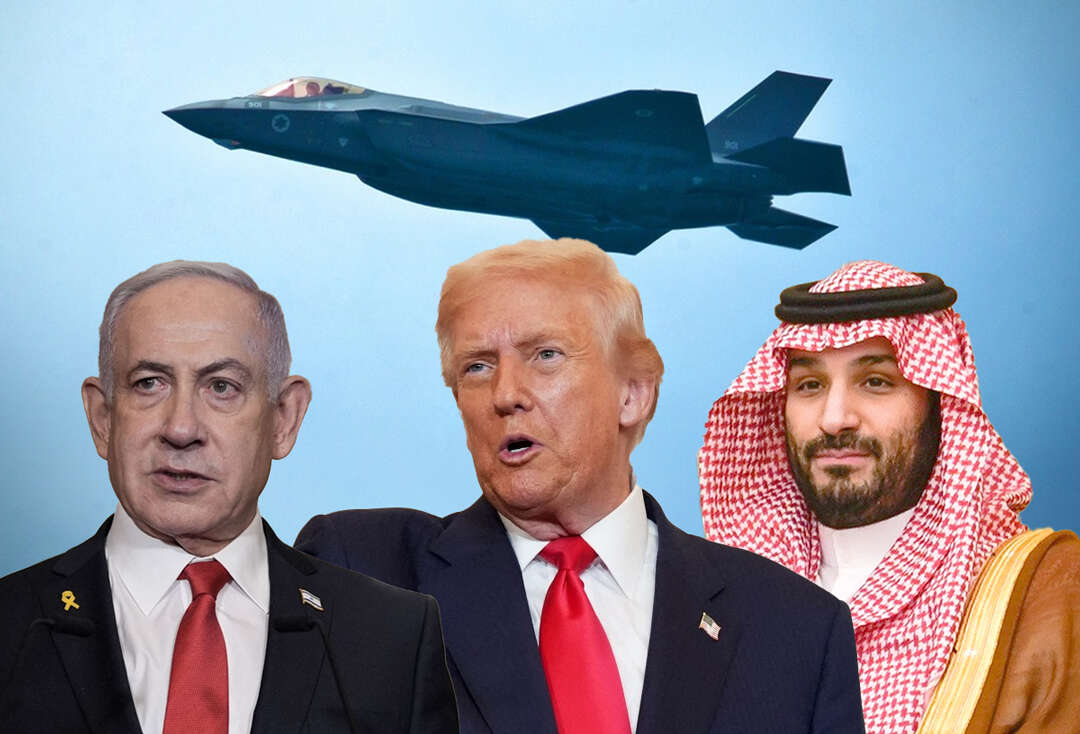
Israel has unique authorization to modify its F-35s, allowing it to integrate its own weapons systems and add upgraded radar-jamming and other enhancements. Other operators are barred from making such changes.
Reuters also reported that even if Saudi Arabia receives the jets, it will likely not receive the advanced AIM-260 air-to-air missile now in development for fifth-generation aircraft. Douglas Birkey, a senior director at the Mitchell Institute for Aerospace Studies, told Reuters that the missile's range of more than 200 kilometers makes it the most sensitive technology associated with the F-35. According to Reuters, the missile will likely be offered only to Israel.
Reuters noted that Israel will also retain a clear numerical advantage, as the Israel Air Force has already ordered a third squadron of F-35s. Saudi Arabia, by contrast, would be limited to two squadrons that would not arrive for several years. In addition, Israeli pilots have far greater operational experience with the aircraft and its systems.

US officials told Reuters that before the deal can be finalized, a formal assessment will be required to evaluate any potential impact on Israel's Qualitative Military Edge. The sale also requires approval by Congress, and one official assessed that strong support for Israel on Capitol Hill could jeopardize its approval.
On the other hand, officials noted that Israel wants Saudi Arabia to join the Abraham Accords and wishes to avoid tensions with President Trump. Blocking the deal in Congress would require a two-thirds majority in both chambers, a threshold considered extremely difficult to achieve.
The sale would place Saudi Arabia in the same category as Qatar and the United Arab Emirates, which have also been offered F-35 jets. Those deals remain stalled over disputes regarding delivery schedules, aircraft capabilities and US concerns that China could gain access to advanced American technology.


