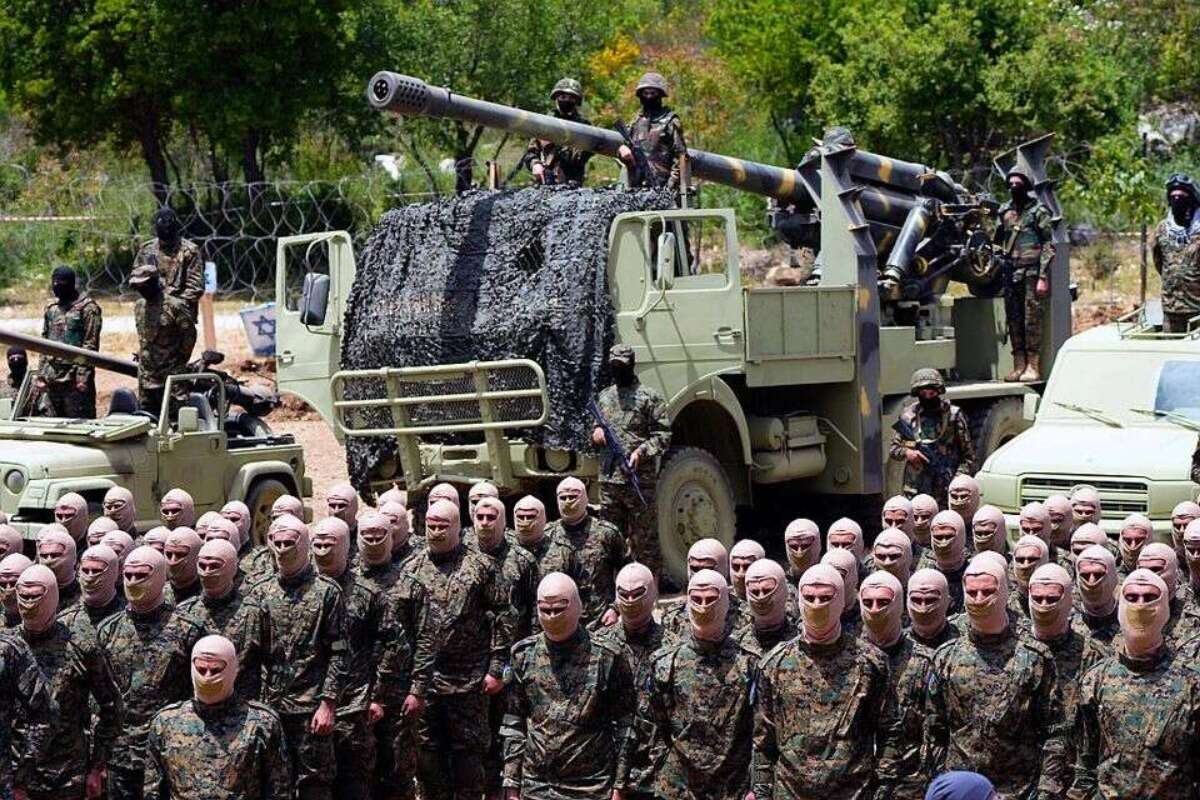
Officially, the war in Lebanon ended a year ago. In practice, it has not stopped for even a single day, and not only because the IDF still holds five pockets of territory in Lebanon. Israel's near-daily activity since then is proof that Lebanon remains unstable, and despite the declared victory there, nothing in reality has been resolved.
Those who expected the Hezbollah to capitulate do not understand the terrorist organization, its religious political ideology or its Iranian patrons. They are prepared to make compromises, even painful ones, including with their bitterest enemy, as part of a hudna aimed at giving them short-term quiet so they can be better prepared for a larger confrontation in the long term.

This is why Hezbollah consistently ignores every strike, large or small. That was the case when the IDF hit its infrastructure and lower level members, and that was the case this week when its chief of staff, Haytham 'Ali Tabataba'i, was eliminated. The will to retaliate certainly exists, but the need for quiet overrides it and dictates the organization's policy, which is managed simultaneously from Tehran and Beirut by Naim Qassem, who is seen as gray and unexpectedly capable.
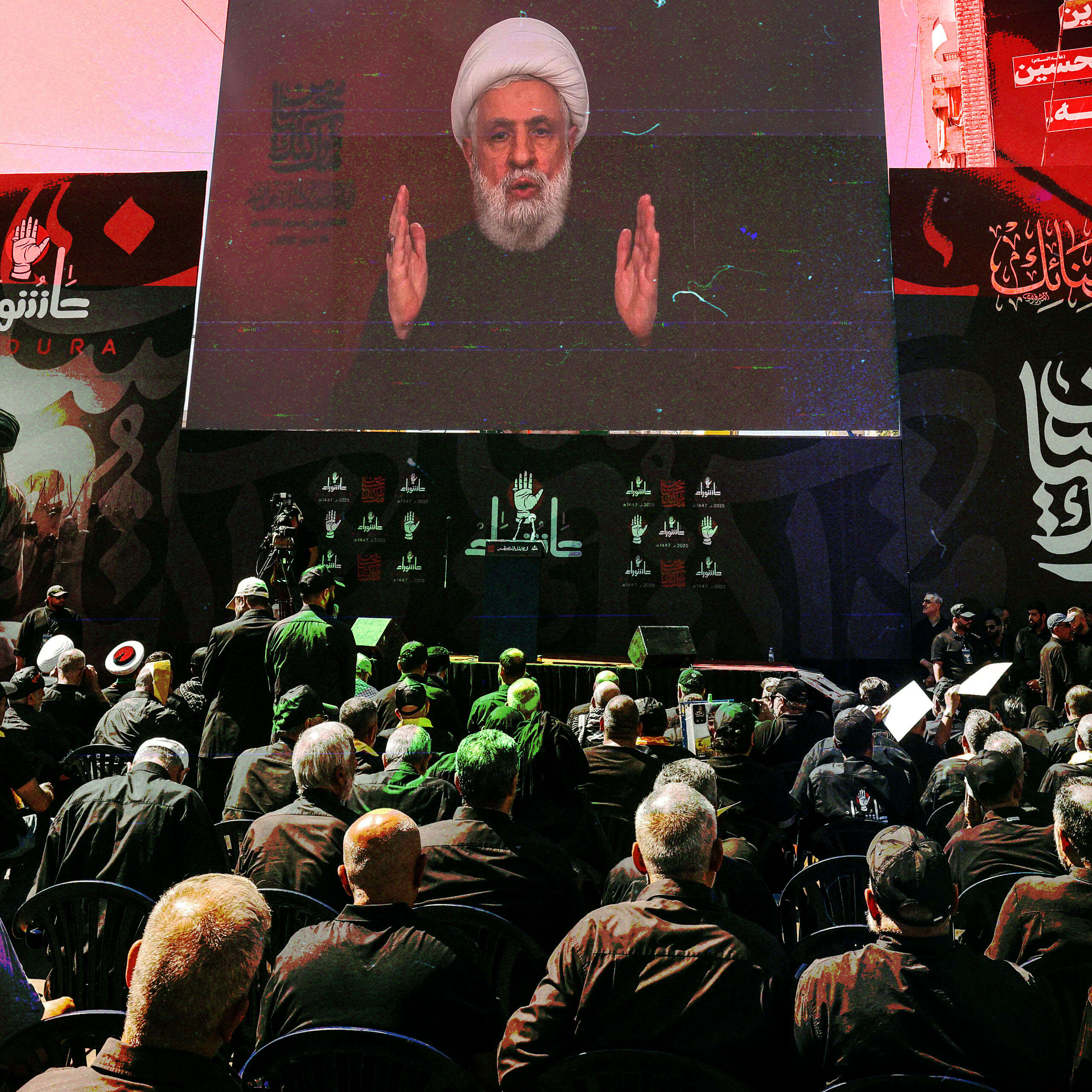
Hezbollah has always acted with its head and not its gut. This served it for many years, but it also blinded it last year when it failed to detect the moves Israel was making, which ultimately led to the elimination of its entire political and military leadership, including Hassan Nasrallah, and caused severe damage to its missile and fortification systems. Hezbollah has been busy ever since trying to rebuild those systems, while Israel is working just as intensely to stop them from doing so.
This mutual race will continue for the foreseeable future, with two major caveats. The first is the American support Israel currently enjoys, including for aggressive operations such as this week's elimination. That backing could end, just as it did in Gaza, and would significantly limit the IDF.
The second is the possibility of the Lebanese Armed Forces going all out against Hezbollah as a last chance to save Lebanon from itself. The chances of that happening are slim, just as the chances are slim that Lebanon will agree to US President Donald Trump's request to openly join the Abraham Accords.

And although nothing has truly been settled in Lebanon, the campaign conducted so far has weakened the strongest enemy ever built along Israel's borders. Still, it would be a mistake to measure success only through a military lens. These gains have come at a very high civilian price along Israel's northern border, where residents were forced into prolonged evacuation, communities were abandoned, businesses collapsed and agriculture suffered.
If the Israeli government fails to genuinely rebuild the southern side of the border and strengthen it, its achievements on the battlefield will be overshadowed by a painful failure in the civilian sphere.