


Gaza
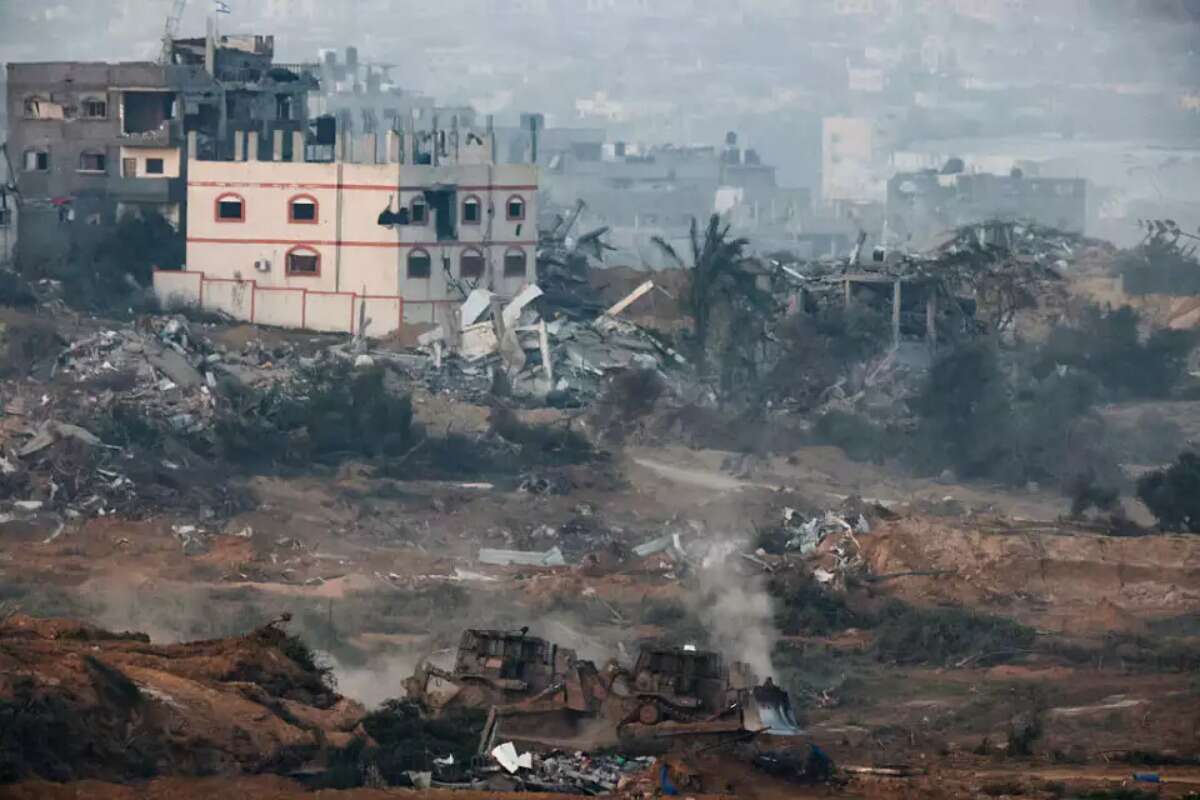
The Trump administration says it is close to completing preparations for the next phase of the Gaza plan. It is unclear what exactly those preparations include, or how they are meant to secure Israel's two core interests: removing Hamas from its centers of power and dismantling its military infrastructure. The Americans are establishing an impressive command center in Kiryat Gat in southern Israel under US Central Command, yet there appears to be a considerable gap between their sweeping ambitions and what can realistically be executed on the ground.
Meanwhile, Hamas is also dragging its feet on the return of Ran Goeili, the last fallen soldier abducted and still held in Gaza. Israeli officials acknowledge that information about his fate is lacking, but they are pressing Hamas, as well as Palestinian Islamic Jihad, which apparently killed and kidnapped him on October 7, to intensify efforts to locate him. Israel may soon face a decision on whether to move ahead even before Goeili is brought home.
Lebanon
All signs indicate that Israel is fast approaching the limits of what it is willing to tolerate as Hezbollah renews its entrenchment in southern Lebanon. A glance at international media, which appears to be fed by deliberate leaks from Israel, suggests that preparations are underway for a broad operation that will likely include a ground maneuver alongside the ongoing air activity, parts of which are already taking place.
The American and French administrations have so far asked Israel to delay such an operation in hopes of pressuring the Lebanese government to enforce its own decision to disarm Hezbollah. Last week did see a symbolic move, with Israeli and Lebanese representatives meeting in Naqoura, but it is doubtful this will be enough to stop the planned operation, which may be postponed until after the upcoming meeting between Trump and Netanyahu.

Trump
Netanyahu no longer hides his efforts to influence the American president to increase pressure on Israeli President Isaac Herzog regarding a pardon. The English-language video he released on Thursday night, following a phone call between the two leaders, was another troubling indication of what now occupies the prime minister's mind, and of the dangerous, improper conflation of his personal interests with those of the state.
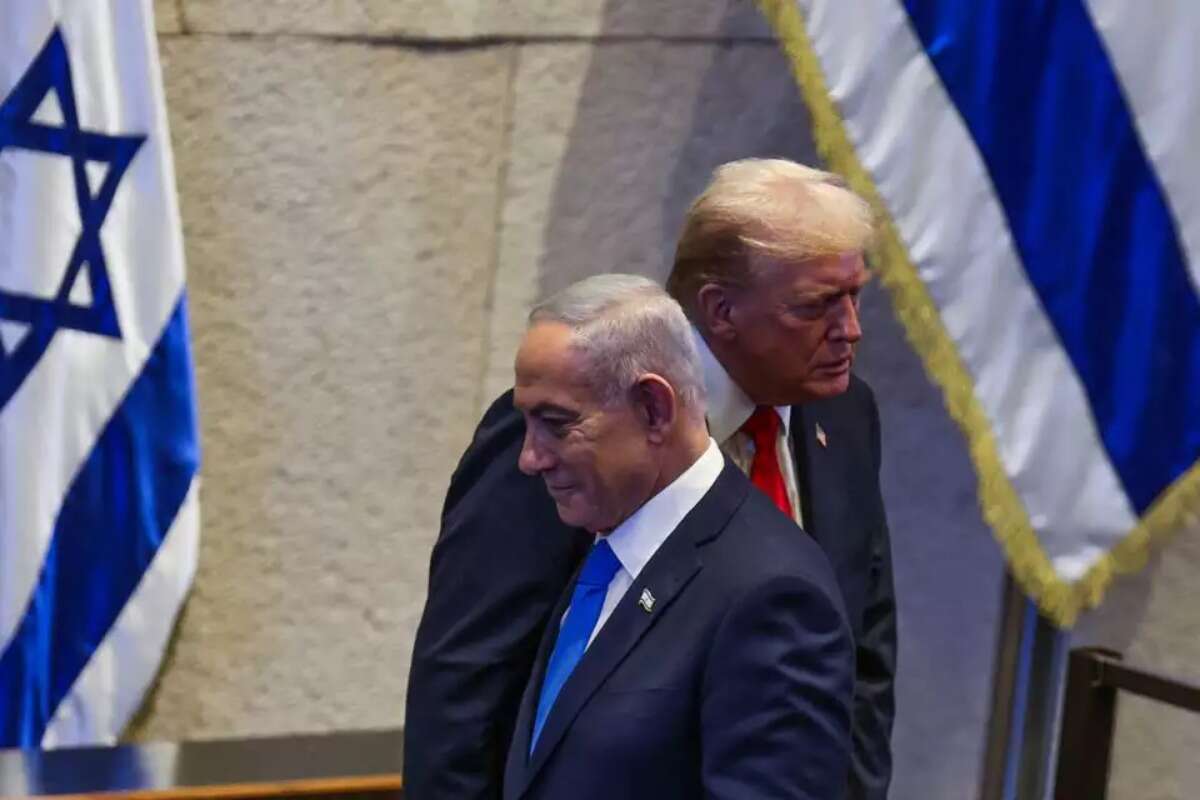
Israel has a long list of far more consequential issues to address with Trump, all of which take precedence over Netanyahu's legal troubles, which, judging by recent discussions, seem far from collapsing. From Gaza and Lebanon to Iran's renewed efforts to expand its missile arsenal, from Israel's diplomatic difficulties and rising antisemitism to the urgent need to finalize continued American defense assistance for the decade beginning after Trump's term ends, the agenda is overwhelmingly weighty. This matter carries enormous economic and especially strategic significance, given that the US is the Israel Defense Forces' primary weapons supplier.
The Mossad
Tensions among current and former Mossad personnel have not subsided following the appointment of Maj. Gen. Roman Gofman, Netanyahu's military secretary, as the next Mossad director. Phrases such as "a slap in the face to the organization" and "irresponsible" were heard widely, reflecting concerns that an external appointee was favored over three highly qualified internal candidates, and especially that Gofman lacks any relevant experience for the Mossad's missions.
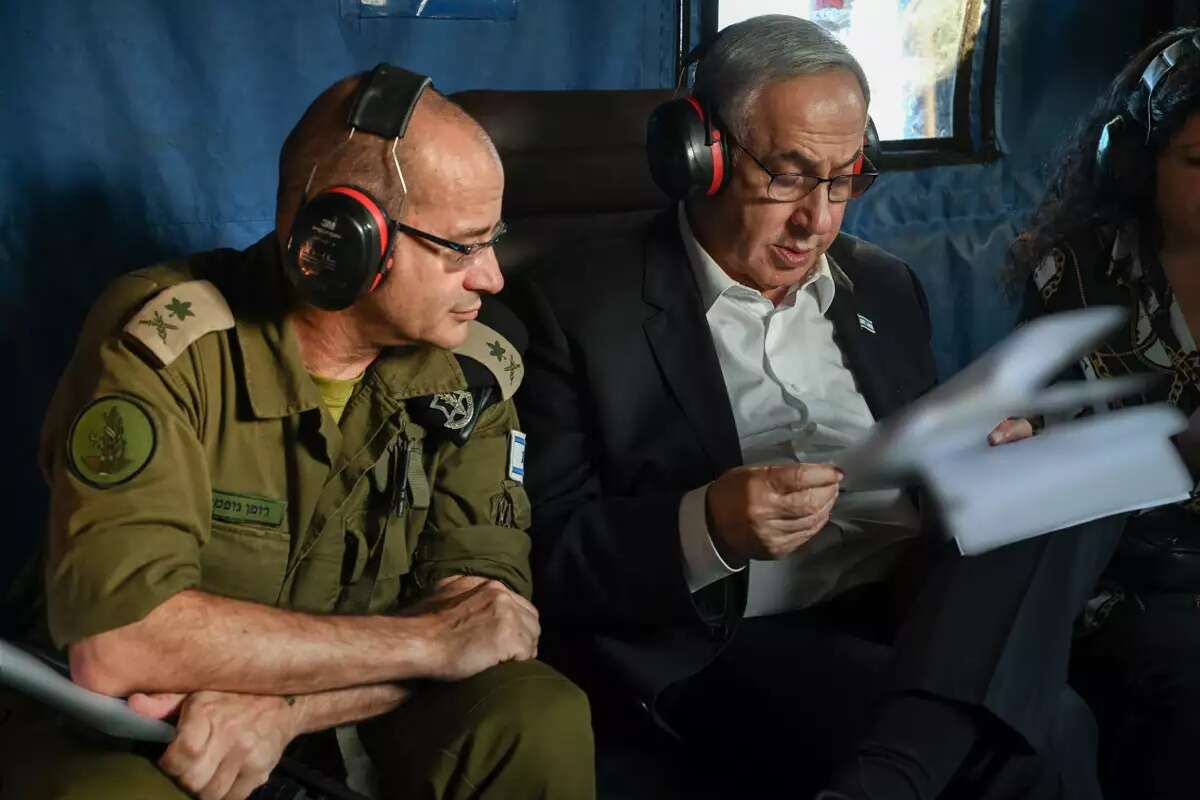
Criticism has also been directed at Netanyahu's motives. Following his appointment of David Zinai as Shin Bet chief, it appears the prime minister aims to reshape Israel's security agencies through their leaders into instruments fully beholden to him, much like in authoritarian regimes. Although Netanyahu vows to safeguard democracy, his actions, including the judicial overhaul initiative and attempts to weaken the media, suggest very different intentions.


