

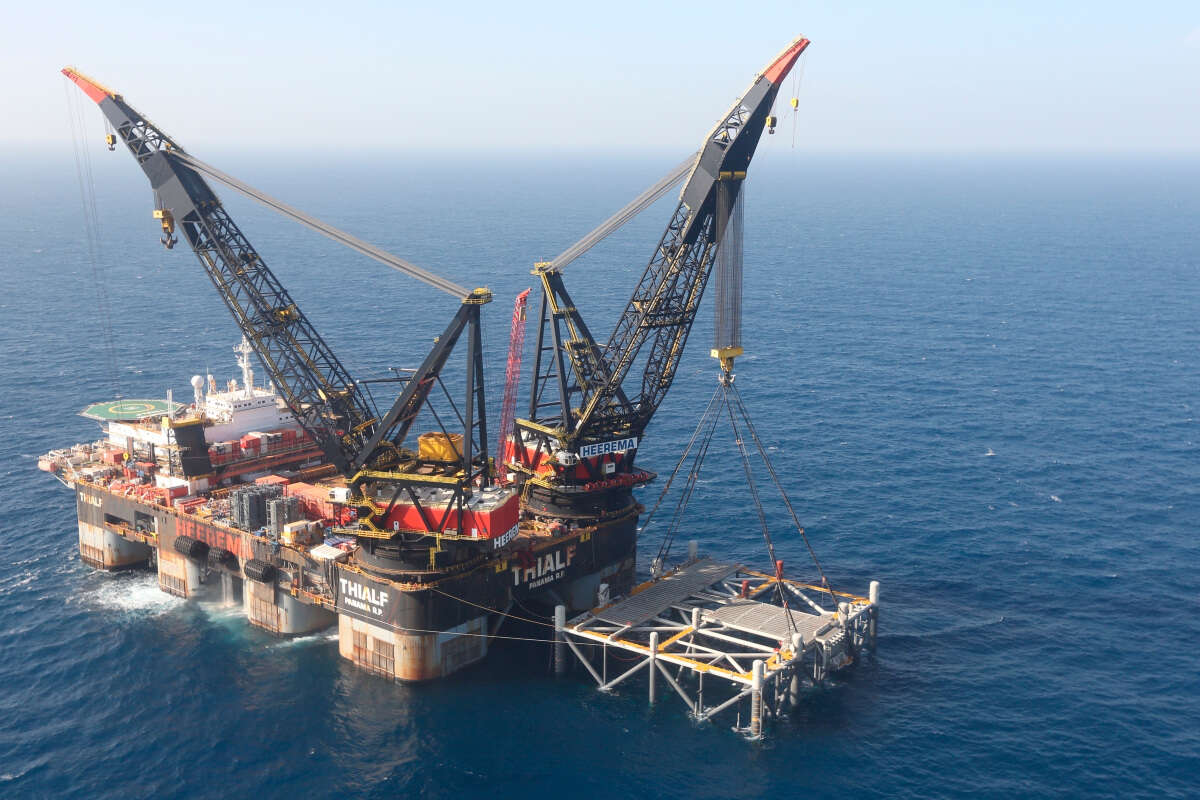
Negotiations are advancing between Israel and Egypt, with American mediation, to finalize a massive gas agreement. Sources involved in the details told Israel Hayom that significant progress has been made on the economic aspects of the deal and partial progress on the political dimensions.
The landmark deal centers on gas supplies from the Leviathan gas field to Egypt through 2040, valued at $35 billion. Until now, Prime Minister Netanyahu and Energy Minister Eli Cohen, whose signatures are essential for ratifying the agreement, have delayed its ratification to resolve related complications. According to sources, the chances of the deal being signed are now growing.
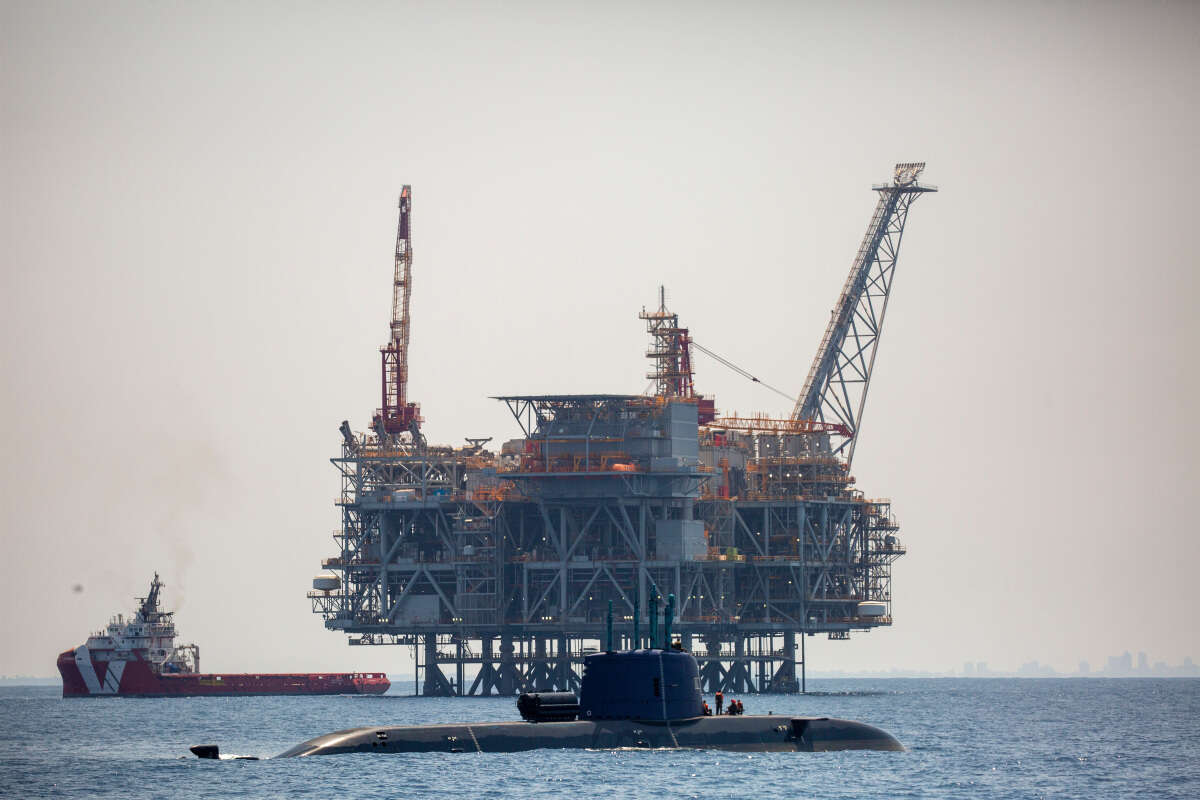
On the political-security front, Israel has demanded that Egypt cease violations of the peace treaty, primarily the introduction of military forces into Sinai. Additionally, Egypt has constructed tunnels in the peninsula and extended airfield runways. According to information received by Israel Hayom, there is no Egyptian commitment to roll back forces west of the Suez Canal or to refrain from future violations.
Sources say there is a principled American statement that it guarantees the peace agreement, but no concrete Egyptian steps will accompany the implementation of the gas deal. This difficult problem will be resolved over time through diplomatic means, they say. They note that Egypt's dependence on gas supplies from Israel will position Israel in a much stronger position to make demands of Cairo.
The United States has pressed Israel heavily to advance the agreement, primarily because of Chevron's stake in the Leviathan partnership. Netanyahu and Cohen have resisted the pressure for an extended period, but now the agreement appears to be moving toward signing. One possibility is a meeting between Netanyahu and Egyptian President el-Sisi as part of the concessions for Israeli flexibility. However, there is no certainty that such a meeting will take place, nor is it clear whether it would occur in the United States as a trilateral summit with Trump or bilaterally in the region.


