


The schedule for the meeting between Prime Minister Benjamin Netanyahu and US President Donald Trump, set for Monday, will focus on two main issues. One will be discussed behind closed doors: Iran. The other will be public: steps toward ending the war in Gaza.
Israel Hayom has learned that under the American plan, which Israel is aligning itself with, the meeting will address details of negotiations on the second phase of the deal. At the center of these talks are the disarmament of Hamas and the establishment of alternative governing bodies in Gaza. These include an overseeing body, the "Peace Council," to be headed by Trump, and a civilian governing authority largely composed of Palestinian officials from Gaza.
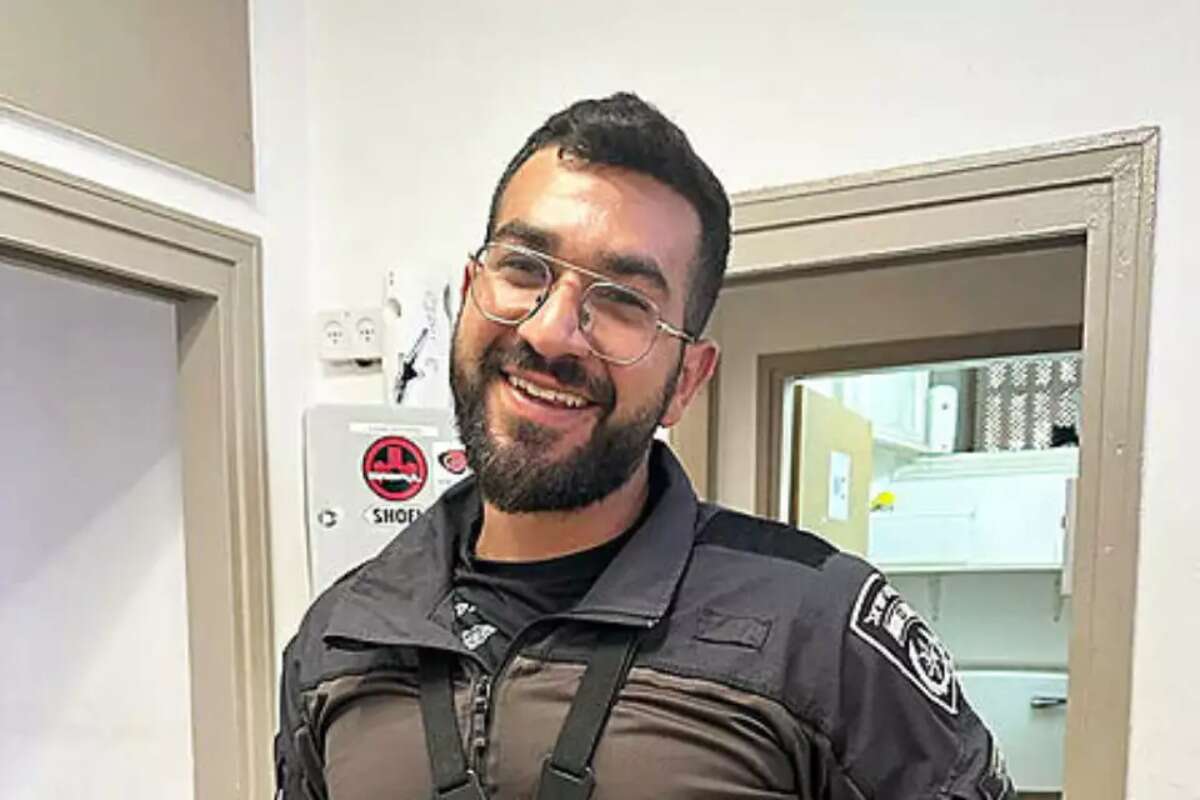
On Sunday, an Israeli delegation headed by Gal Hirsch, the government's coordinator for hostages and missing persons, traveled to Cairo along with representatives of the Shin Bet security agency and the Mossad. Their goal was to accelerate efforts to locate the body of the last remaining hostage, Ran Gvili. Israel insists it will not move forward to the second phase of the deal until Gvili is returned, and security officials are convinced that Hamas and Palestinian Islamic Jihad possess information on his burial site.
The Turkish issue
During meetings in Cairo, the parties discussed intensifying the search in hopes of finding Gvili before Netanyahu departs for the US. Members of the Gvili family are expected to join the trip. Trump is known to have a warm attitude toward the families of hostages, making their presence at the summit both important and symbolic.
According to diplomatic sources, the joint statement concluding the meeting is expected to include, alongside the Iranian issue, an announcement on progress toward the second phase and the establishment of international institutions for Gaza's rehabilitation, as part of the path toward ending the war. The statement is also expected to meaningfully address the Gvili case, in remarks by both Netanyahu and Trump. The precise wording and any conditions tied to advancing practical steps on the ground have not yet been finalized.
One of the main difficulties in implementing the second phase lies in the failure to assemble a multinational force, due to countries' refusal to deploy troops as long as Hamas remains armed. As a result, most of the initial progress is expected to focus on the civilian track.
According to the sources, at the end of the meeting, or after several meetings, two bodies will be formally announced: the supervising Peace Council, made up of international figures and leaders, and a new civilian governing authority composed largely of Palestinians who previously served as officials in the Palestinian Authority. Israel Hayom has reported that lists of some of these former Palestinian Authority employees have been transferred to Israel for security vetting, to ensure they are not affiliated with Hamas.
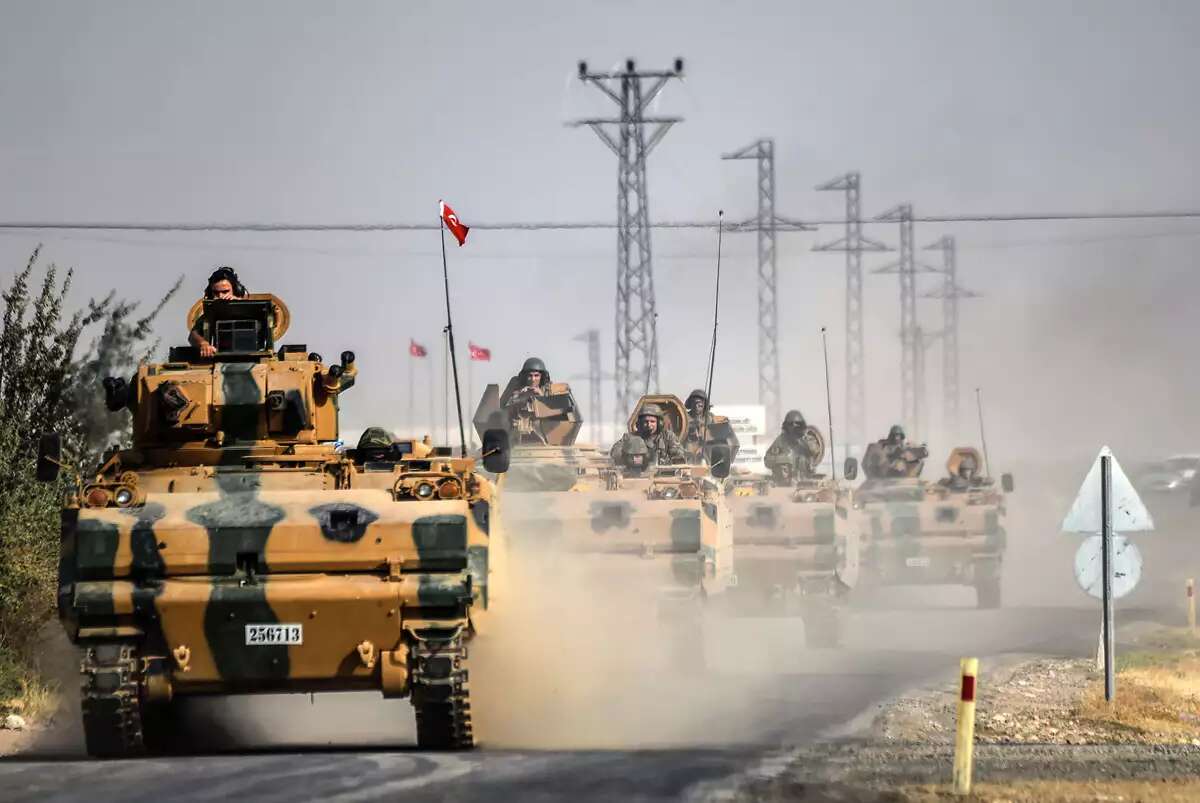
This is where the Turkish issue comes into play. Turkey is pressing the US to include its troops in the multinational stabilization force, the International Stabilization Force, and to lift Israel's veto. All the sources contacted by Israel Hayom deny that Israel has agreed to remove its veto. However, it is possible that Turkish military personnel specializing in engineering and mine clearance could be allowed to take part in units focused on those tasks.
The Americans are interested in launching the initiative through an international conference, likely to be held in the US in January, with the participation of the president, Middle Eastern leaders and partner countries. Following that, Israel, the mediators and Hamas are expected to begin discussions on the second phase, which would include the disarmament of Hamas, the transfer of governing authority and a redeployment of the Israel Defense Forces to a new defensive line.
Israel insists that there will be no withdrawal as long as Hamas and other terrorist organizations have not been disarmed and no longer pose a threat. In practice, this means that discussions on transferring civilian control will initially apply only to areas under IDF control, as well as pockets in northern and southern Gaza controlled by clans opposed to Hamas.
The meeting on Monday
Regarding Iran, Israel is expected to present Trump, during their meeting in Florida, with accumulated intelligence and assessments regarding the pace of Iran's military rehabilitation. One of Israel's goals is to secure US recognition that as long as the current regime remains in power, Iran will continue to operate terrorist organizations across the region, fuel conflicts and block what Washington views as the "mega-deal," the broad American plan for the Middle East.
Netanyahu and Trump are expected to discuss the need to confront Iran, with the ultimate objective of significantly weakening Iranian influence in the region and removing the nuclear and missile threats. Israel Hayom reported Sunday that former minister Ron Dermer assisted in preparations for the meeting, particularly on the Iranian issue. Dermer previously oversaw the Iran portfolio and was an architect of the cooperation with the US that led to American support for Israel during the war and its participation in the strike on the Fordow nuclear facility.

Issues related to Lebanon and Syria will also be on the agenda. On Lebanon, the sides are expected to discuss how to proceed with the disarmament of Hezbollah, the terrorist organization, and with civilian negotiations between Israel and the Lebanese government. On Syria, Trump is expected to seek a renewal of security talks with Israel, aimed at reaching an arrangement that would prevent military clashes and meet Israel's security needs.
The Israeli delegation is expected to include acting National Security Council head Gil Reich, who has recently grown closer to Netanyahu; political adviser Ophir Falk; military secretary Maj. Gen. Roman Gofman; and Israel's ambassador to Washington, Yechiel Leiter. Transportation Minister Miri Regev is also expected to join the trip.
The first meeting between Trump and Netanyahu is scheduled for Monday, December 29, followed by a meeting with Secretary of State Marco Rubio. Given the wide range of issues, an additional meeting between Trump and Netanyahu is expected on Tuesday or Wednesday.


