


Prime Minister Benjamin Netanyahu's schedule in the United States this week has not yet been finalized, in part because of the possibility of a second meeting with US President Donald Trump and the very real likelihood that the prime minister's trip will extend into next week.
Monday is slated to be the anticipated meeting with President Trump, the most important and dramatic day of the visit. Two issues are on the agenda on which decisions are expected to be made between the two leaders: Iran and Gaza. A second meeting with the president is also possible. As reported by Israel Hayom, there are internal disagreements within the administration on both issues, and it is still unclear which stance the president will choose.
A hard line
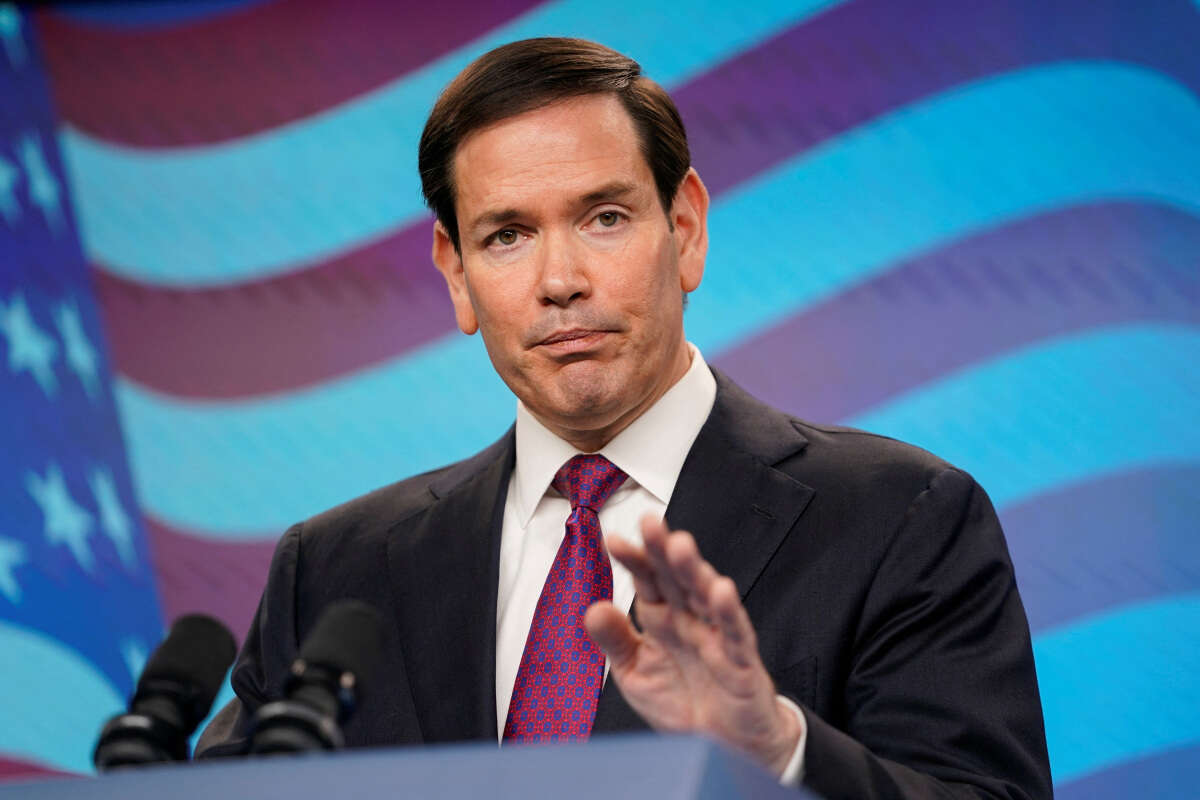
On Iran, Israel is continually providing intelligence on Tehran's renewed buildup of missile systems and air defense capabilities. Jerusalem's goal is to reach a coordinated timetable for economic and diplomatic action against Iran. Secretary of Defense Pete Hegseth and Secretary of State Marco Rubio support a hard-line approach toward Iran, including issuing an ultimatum before any negotiations begin.
By contrast, presidential adviser Steve Witkoff believes it is possible to prevent Iran's return to its nuclear program and is particularly wary of resuming war, partly because of the threat Iran could pose to other Gulf states and their oil facilities. There is near-consensus that some of Israel's actions, including the expansion of settlements, harm the prospects for progress toward normalization.
On Gaza and the transition to Phase Two, envoy Steve Witkoff and adviser Jared Kushner, who are effectively managing the talks on the president's behalf, are pushing for rapid progress on all fronts. This includes moving to Phase Two and pressuring Israel to open the Rafah Crossing and prepare for a second withdrawal.
Sources say they are trying to find workarounds to the issue of Hamas' disarmament and possibly spread it out over a prolonged period.
Their proposal includes beginning reconstruction before disarmament. Israel is willing to start reconstruction only in areas under its control, and even then at a slow pace, to prevent Hamas, the terrorist organization, from exploiting the entry of equipment, machinery and construction materials. Secretary of State Marco Rubio, who heads a department that in past Democratic administrations often tended to pressure Israel into solutions, is taking the opposite approach this time.

According to the sources, Rubio has presented more cautious positions and is insisting on adherence to the Trump plan framework, namely a firm demand for Hamas' disarmament and the transfer of governing authority before a full Israeli withdrawal.
Rubio is also cautious on Turkey, backing the Israeli position opposing the involvement of Turkish troops in the multinational ISF force. Another unresolved issue is the Palestinian Authority and its potential role in weapons collection and governance in the Strip.
Wednesday will be devoted to meetings with leaders of American Jewish communities, focusing on strengthening ties, community security and the fight against antisemitism. That same day, meetings are scheduled with senior representatives of the evangelical Christian community in the US, one of Israel's largest support bases.
Additional meetings are planned with pro-Israel American elected officials, as well as a visit to a synagogue in Miami. As of now, Netanyahu is due to return to Israel on Thursday afternoon, Miami time, but there is a strong possibility that his stay will be extended until early next week.
Two issues that Trump and his team are keen to advance in meetings with Netanyahu are civilian talks with the Lebanese government and negotiations toward a security arrangement with the al-Sharaa administration in Syria.
Officials in the administration see an opportunity to initiate positive moves. According to a regional diplomat, disagreements over Syria are bridgeable, and with Lebanon there are many shared interests that could serve as the foundation for a future agreement. Netanyahu himself said this week, in response to a question from Israel Hayom, that Israel wants to see a sovereign and stable Lebanon.


