


For a decade, Donald Trump has been a fixture in American politics. For a decade, he has pursued a bold pro-Israel policy, far beyond that of any of his predecessors and by a wide margin. For ten years, commentators, self-styled experts and would-be prophets have predicted that "any moment now, he will turn on Israel." For ten years, they have been spectacularly wrong. Trump was, is and will remain pro-Israel.
This dynamic, which is fairly amusing when viewed honestly, repeats itself ahead of every meeting between Trump and Netanyahu. To the disappointment of the prime minister's critics, it becomes clear time and again that Trump is fully committed to Israel's security and needs, and does not take a single step or adopt any position that harms them. He also holds a nationalist, hawkish and conservative worldview that closely resembles that of most of the Israeli public, and certainly that of the right-wing camp. That, too, serves Israel well.
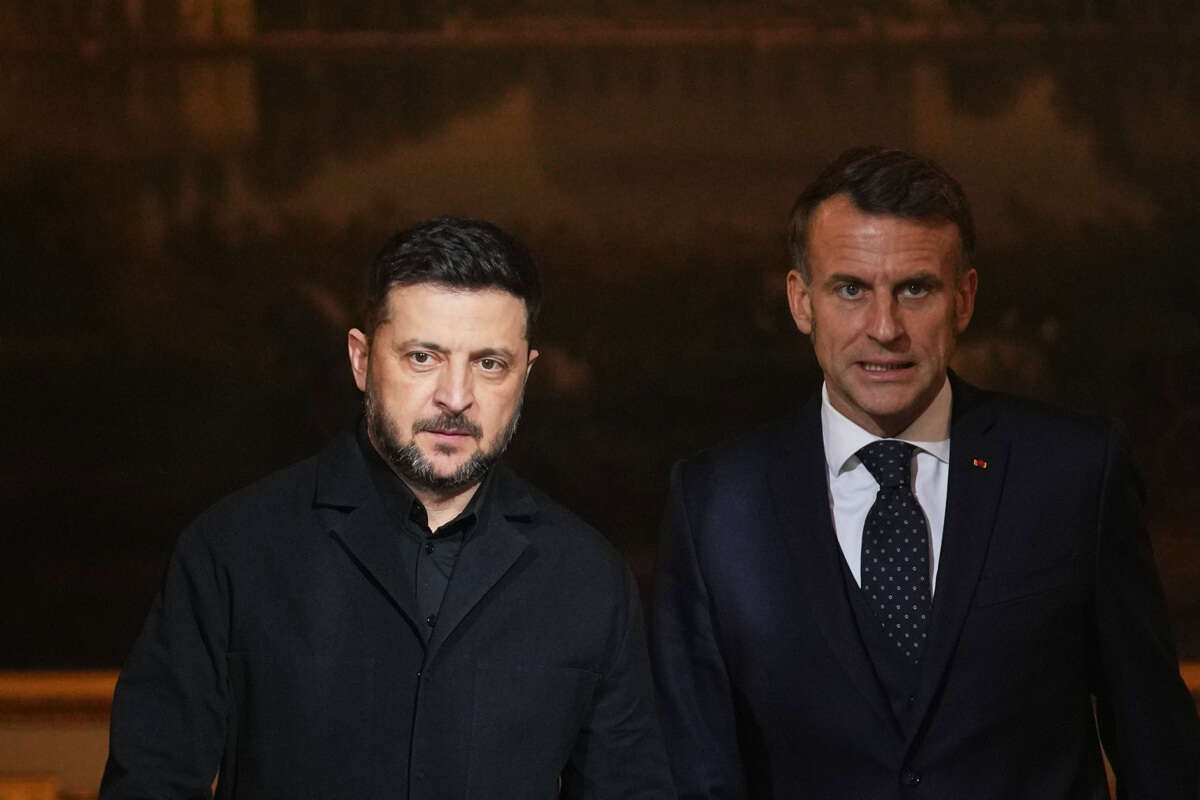
Moreover, Trump is a great admirer of Israel's prime minister. One can love Netanyahu or despise him, but the president is clearly and firmly in the camp of his supporters. Having declared early on that he rejects "political correctness," Trump makes no effort to conceal whom he likes and whom he loathes. He openly favors figures such as Vladimir Putin and Recep Tayyip Erdogan, and openly despises Volodymyr Zelenskyy and Emmanuel Macron. Netanyahu belongs squarely in the first group. Even when Trump criticizes him with remarks such as "he's tough" or "he can be difficult at times," these are effectively compliments, both in Trump's own eyes and in the eyes of much of the Israeli public.
There was indeed a low point in the early months of the war. Netanyahu and Israel, and Trump does not distinguish between the two, were then perceived by him as losers. The horrific failure of October 7 was compounded by personal grievances Trump harbored toward Netanyahu following his loss to Joe Biden in the 2020 election. Yet Netanyahu, with political savvy, knew how to repair the relationship when he met Trump at Mar-a-Lago in June 2024.
What followed were the pager operation and the collapse of the Iranian axis, developments that once again boosted the standing of the Jewish state and its leader. Upon Trump's return to office, Netanyahu paid a heavy political price to enable the second hostage deal, thereby securing Trump's full favor as the returning president. Operation Rising Lion then followed, and afterward the agreement that ended the war. All of these, in Trump's view, were major achievements, which he credits to Netanyahu.
From his standpoint, the alliance with Israel's prime minister is strong, reliable and productive. Hence the warm personal embrace of Netanyahu. Hence the praise. Hence also the call for a pardon, which carries political weight in Israel no less than legal significance.
Trump wants Netanyahu to win Israel's upcoming elections and is working toward that goal with full force. This stands in contrast to presidents Biden, Obama and Clinton, who openly acted in favor of his rivals. It is worth noting that Trump himself was far more neutral during the series of election campaigns held in Israel between 2019 and 2021. This time, he is taking a side, and doing so unequivocally.
Is all this good for Israelis or not? The Israeli public will provide the answer in the 2026 elections.


