


Venezuelans in exile poured into the streets with celebrations and dancing, from Miami in Florida to Buenos Aires in Argentina, marking the fall of the Venezuelan dictator who was captured by US special forces. A number of protests against US actions were reported, but the streets of Venezuela's capital today, Sunday, are not filled with demonstrators or revelers. Instead, they are crowded with anxious citizens standing in endless lines for food and medicine, wondering what will become of their country.
Members of Nicolas Maduro's inner circle still control key positions in the state. A resident of the city of Maracay told the Reuters: "It feels like the city has been abandoned. People are staying inside their homes." She added: "There is fear and uncertainty."
It was a dramatic 24 hours for Venezuela. Explosions in the dead of night shook the capital, Caracas, followed by breaking news of the abduction of the dictator president, Nicolas Maduro. On Saturday night, Trump delivered another explosive headline, saying the US would "run the country" until it could guarantee an orderly transfer of power and would, of course, also profit from the sale of Venezuelan oil.
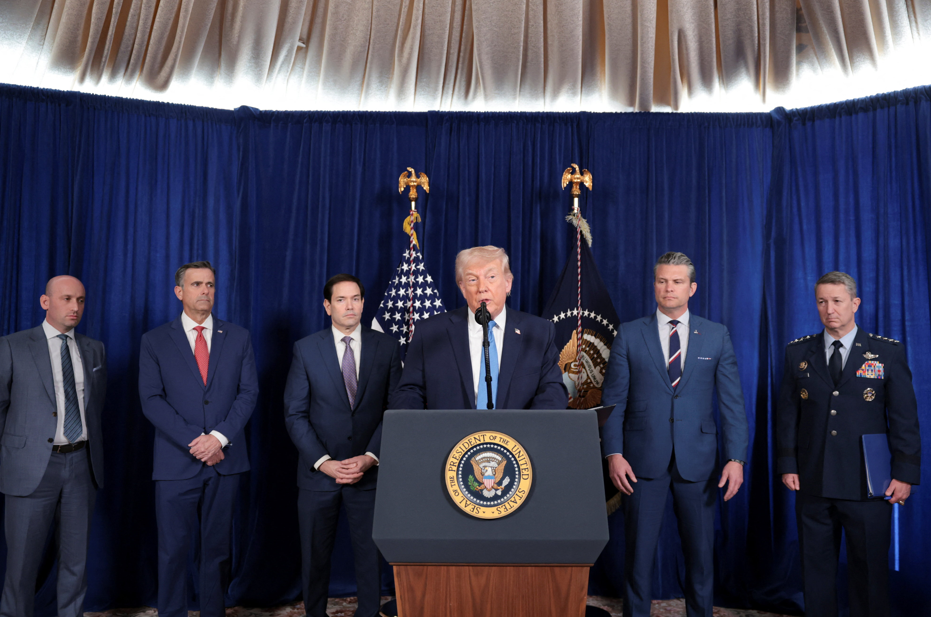
At a press conference held by US President Donald Trump at Mar-a-Lago in Florida on Saturday afternoon local time, he said that until a suitable candidate could establish a democratic government in Venezuela, a "group of people" would temporarily run the South American country. Trump is attempting to promote Maduro's vice president, Delcy Rodriguez, to replace him as interim president. It is unclear how successful he will be in persuading the controversial politician. On Saturday night she delivered a national address in which she claimed that the only president of Venezuela was Maduro and added: "We will not be a colony."
A New York Times report reveals that, according to several American and Venezuelan officials involved in talks over a transfer of power, Maduro rejected an ultimatum issued by President Trump in late December, demanding that he step down and go into what was described as "a lavish exile" in Turkey. Maduro repeatedly dismissed the American threat, singing songs in English to the public and appearing particularly cheerful.
Maduro's frequent public dancing in recent weeks, along with other displays of what was seen as recklessness, helped convince some members of Trump's team that the Venezuelan president was mocking them and attempting, in their view, to challenge what he believed was an empty threat, according to two of those involved who spoke with The New York Times. The White House then decided to carry out its military threats.
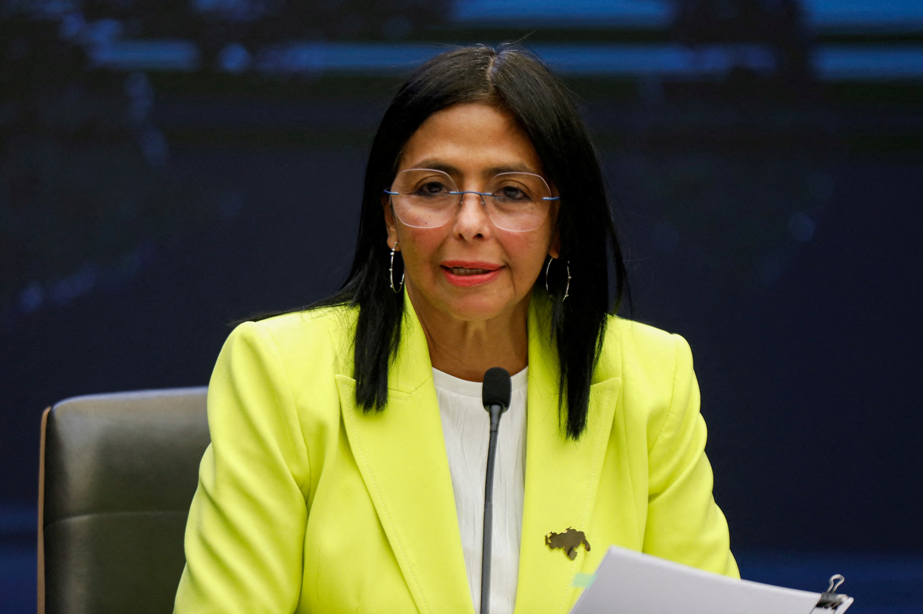
On Saturday, an elite US military force raided Caracas in a pre-dawn operation, abducting Maduro and his wife, Cilia Flores, and flying them to New York, where they are to stand trial on charges of narco-terrorism and multiple related counts. Several weeks earlier, American officials had already reached agreement on a broadly acceptable candidate to replace Maduro, at least on a temporary basis: Vice President Delcy Rodriguez, who impressed members of the Trump administration with her management of Venezuela's vital oil industry.
Participants in the discussions told The New York Times that intermediaries had convinced administration officials that she would protect and even promote future American energy investments in the country. "I have been following her career for a long time, so I have some sense of who she is and what drives her," one senior American official said of Rodriguez.
"I am not saying she is a permanent solution to the country's problems, but there is no doubt she is a figure we believe we can work with on a far more professional level than we ever managed to achieve with him," the official added.

According to those involved, it was a very simple choice. Trump never liked the Venezuelan opposition leader Maria Corina Machado, who ran a presidential campaign in 2024 and won the Nobel Peace Prize in October 2025. Machado made considerable efforts to curry favor with the American president. She called him a "champion of freedom," echoed his claims about election fraud in the US, and even dedicated her Nobel Peace Prize to him as a gesture of goodwill. All of it was in vain. In a special interview with the New York Post, Trump said that "Machado lacks the respect required" to govern Venezuela.
American officials say their relationship with Rodriguez's transitional government will depend on her ability to operate according to American rules. They added that they reserve the right to take further military action if she fails to respect US interests, in line with the approach outlined by Trump. One senior American official said it was too early to draw conclusions about the path she would take despite her confrontational speech, and that the administration remains optimistic about the possibility of working with her.


