


Tensions surrounding the Iranian issue are expected to persist at least in the coming days and could last even several weeks, according to officials in Israel's security establishment.
As of now, there has been no change to Home Front Command guidelines for civilians. However, within the security establishment, and particularly in the Israeli Air Force, both the air defense array and units responsible for offensive operations are working nonstop to strengthen Israel's defenses and prepare response options should Iran launch missiles at Israel following a US strike.
In this context, IDF Chief of Staff Lt. Gen. Eyal Zamir visited Home Front Command headquarters and said the military was prepared to deal with the full range of threats facing Israel. He said Home Front Command was "capable, trained and on high alert," and able to respond to an attack on the civilian rear and to save lives in any scenario.
Zamir added that alongside defensive preparations, the IDF also maintains extensive offensive capabilities. "The IDF is prepared to employ unprecedented offensive power against any attempt to harm the State of Israel," he said. According to Zamir, military readiness includes a broad range of capabilities, both defensive and offensive, and is being carried out on an ongoing basis.

The chief of staff also noted that lessons from Operation Rising Lion have been implemented and that the IDF is preparing as well for the possibility of a surprise war. He said the combination of Home Front Command capabilities, cooperation with local authorities and emergency organizations strengthens national resilience and ensures an operational response to any challenge.
It is important to note that since Operation Rising Lion in June, the IDF has been preparing for the possibility of another round of fighting with Iran. Evidence of this came just three weeks ago, when Prime Minister Benjamin Netanyahu visited the US and met with US President Donald Trump at Mar-a-Lago. Among other issues, the two discussed Iran, as missile production and the possibility of the Iranian regime returning to its nuclear program have increasingly concerned Israel's defense leadership over the past two months.
At the same time, and with the necessary caution, Israel's assessment had been that it would take at least several months to exhaust diplomatic channels.
But as is often the case, reality does not always align with planning. As tensions between the US and Iran intensified over internal protests against the regime, Israel stepped up its preparations for the possibility of war in the immediate timeframe. This was based on the assumption that there is a significant chance Iran would fire missiles at Israel if it were attacked by the US. Such preparation takes time, as illustrated by the long months of Israeli defense readiness ahead of Operation Rising Lion.
Strike canceled at the last minute
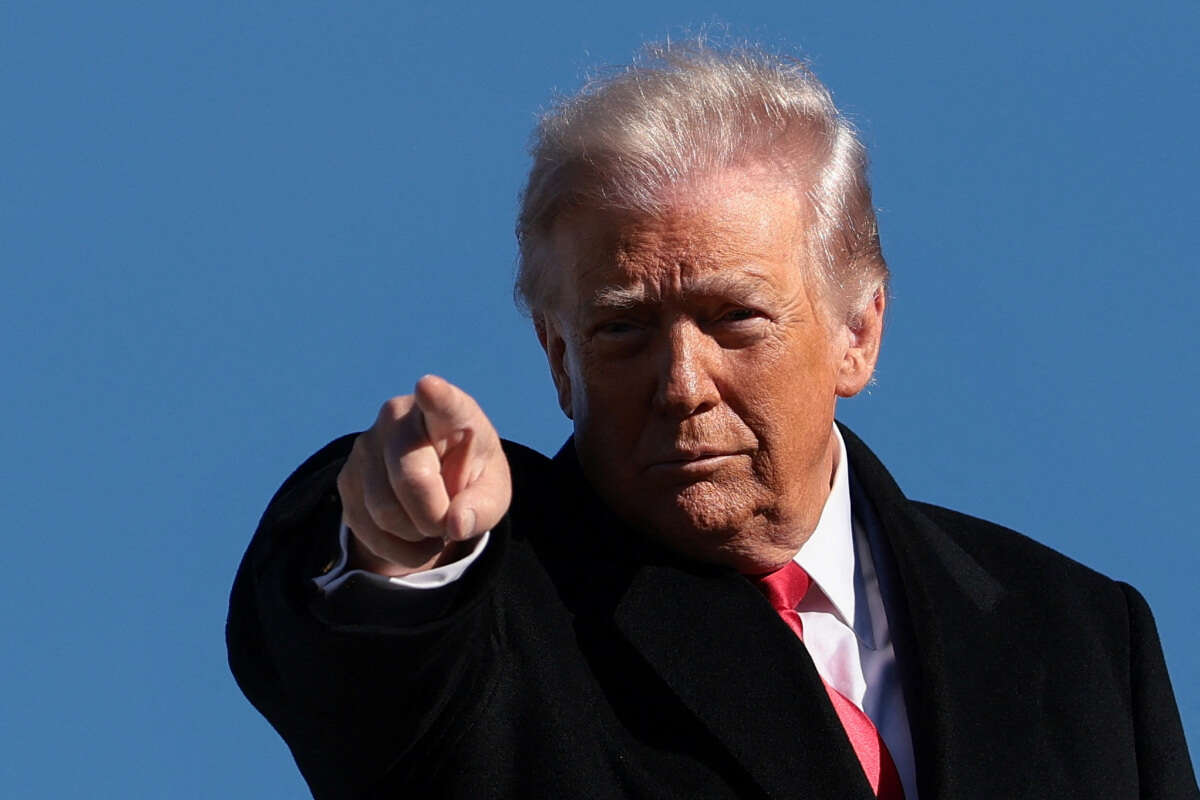
Tensions peaked late last Wednesday night, when the Israeli Air Force prepared for an imminent US strike on Iran. At the last moment, however, Trump canceled the plan. According to various reports that were not denied, Netanyahu called Trump and asked him to delay the operation because Israel was not ready. It should be said cautiously that in the coming days, and even over the next two to three weeks, there will be no dramatic change in the number of interceptors held by Israel's air defense array, as interceptor production has a maximum rate that cannot be significantly accelerated.
That said, with each passing day Israel is becoming better prepared to intercept missiles thanks to reserve call-ups, improved deployment of systems and additional steps that cannot be detailed here. As time goes on, the Israeli Air Force, together with Military Intelligence and other bodies, is reaching a higher level of readiness. In short, no one in Israel can say whether Trump will ultimately choose to strike Iran.
And even if he does, questions remain over which targets would be hit and whether it would be a single strike, whose effectiveness is questionable, or a series of attacks on regime targets designed to help protesters topple the government, assuming they take to the streets. Even then, it is unclear whether Israel would remain on the sidelines until it is attacked, if at all, or choose to join the campaign to destroy targets that already concern it.
In any case, the US military is expected to complete its force deployment in the region only in several days. According to assessments, that is when the window for action would open. It is possible Trump will take his time, attempt to resolve the issue diplomatically, or try to employ deception. Accordingly, Israel assesses that the tension will continue for anywhere from days to several weeks.


