Wednesday Jan 28, 2026
NEWSLETTER
www.israelhayom.com
  • Home
  • News
    • Israel
    • Israel at War
    • Middle East
    • United States
  • Opinions
  • Jewish World
    • Archaeology
    • Antisemitism
  • Lifestyle
    • Food
    • Travel
    • Fashion
    • Culture
  • Magazine
    • Feature
    • Analysis
    • Explainer
  • In Memoriam
www.israelhayom.com
  • Home
  • News
    • Israel
    • Israel at War
    • Middle East
    • United States
  • Opinions
  • Jewish World
    • Archaeology
    • Antisemitism
  • Lifestyle
    • Food
    • Travel
    • Fashion
    • Culture
  • Magazine
    • Feature
    • Analysis
    • Explainer
  • In Memoriam
www.israelhayom.com
Home News Israel

Rebuilding the north: Most Kibbutz evacuees have returned, but challenges remain

Neri Shotan, CEO of the Kibbutz Movement Rehabilitation Fund, presented an overview of the return of kibbutz members to the north at the Israel Hayom conference in the Upper Galilee. "There was no evacuation plan," he said. "How do I know? Because the State of Israel called me to ask, and I had nowhere to house people, since residents from the south had already been evacuated."
by  ILH Staff
Published on  01-28-2026 11:00
Last modified: 01-28-2026 23:14
Rebuilding the north: Most Kibbutz evacuees have returned, but challenges remainJINI/Ayal Margolin

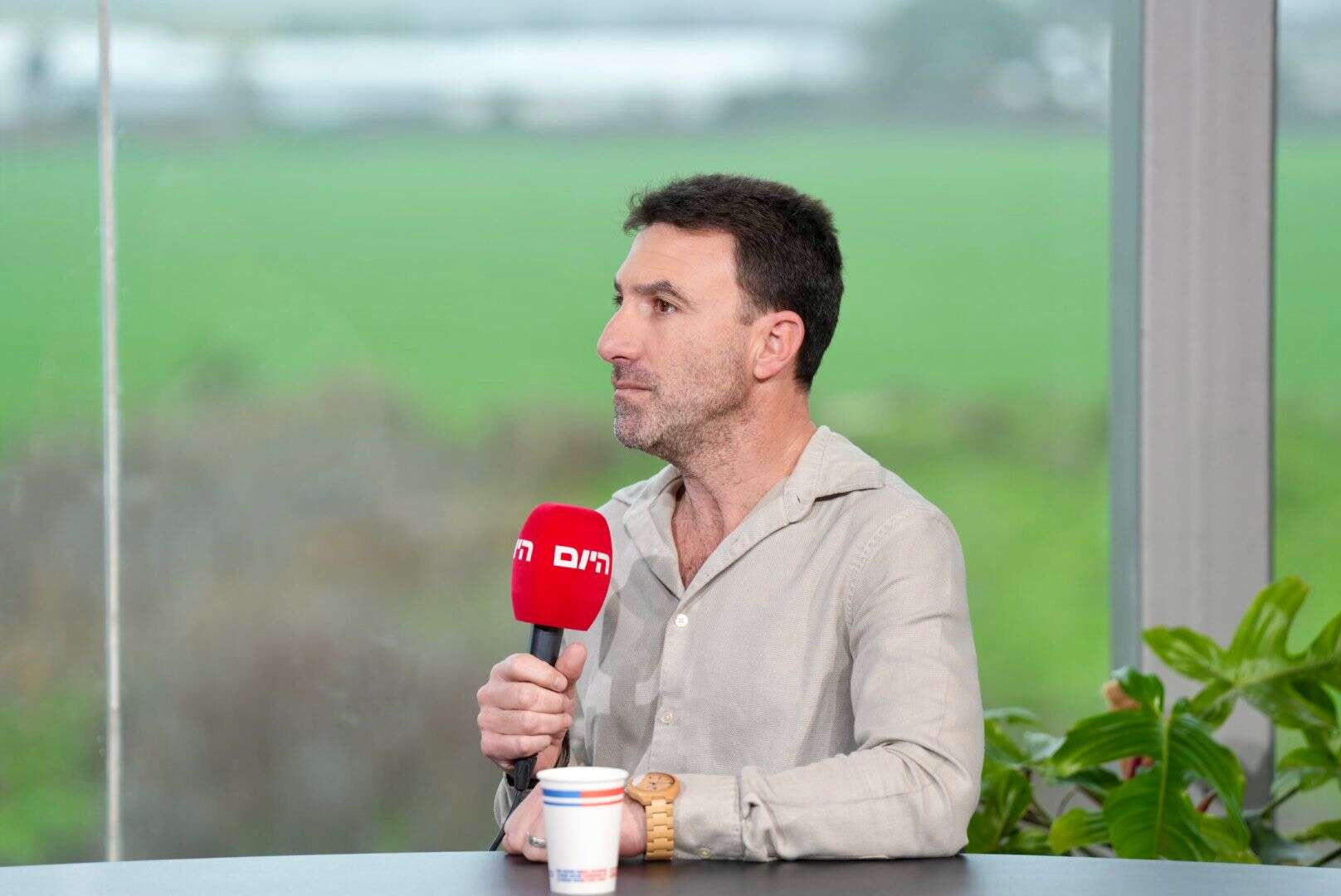
Neri Shotan, CEO of the Kibbutz Movement Rehabilitation Fund, in an interview with Israel Hayom deputy editor Ori Dagon | Photo: JINI/Ayal Margolin

Share on FacebookShare on Twitter

Neri Shotan, CEO of the Kibbutz Movement Rehabilitation Fund, presented new figures on the return of northern kibbutz members at the Israel Hayom conference in the Upper Galilee, describing a situation of "cautious optimism."

"Let's start with the evacuation," Shotan said in an interview with Israel Hayom deputy editor Ori Dagon. "In 2023, some 143,000 people were evacuated. Nineteen kibbutzim in the north were evacuated, 14 in the Upper Galilee and five in the Western Galilee. On October 8, most kibbutzim left voluntarily. A formal evacuation order came only a week later. There was no orderly evacuation plan."

Asked whether the evacuation had ultimately been the right decision, Shotan replied: "Not a single kibbutz was abandoned, not even those right on the border. Emergency response teams stayed behind, and so did livestock farming operations. For example, in Menara, Misgav Am, and Yiftah, it was the kibbutz emergency teams who put out fires when dozens of acres burned, there were no firefighters. Hezbollah's Radwan Force operated right along a line of kibbutzim, with the IDF behind them. That's no coincidence. From the early days of Zionism, we've known that the way to secure the borders is through agriculture, not just the army. Out of 259 kibbutzim, 100 are located along Israel's borders."

Shotan emphasized the importance of community in the rehabilitation process. "You don't rebuild a community just with fences and concrete. There was no national evacuation plan. How do I know? Because the State of Israel called me to ask, and I had nowhere to house people, since residents from the south had already been evacuated."

נרי שוטן, מנהל קרן השיקום של התנועה הקיבוצית , אייל מרגולין ג'יני
Neri Shotan, CEO of the Kibbutz Movement Rehabilitation Fund. Photo: JINI/Ayal Margolin

He revealed that "88% of kibbutz members have returned home. One kibbutz was evacuated to 120 different communities. Maintaining cohesion under such conditions was incredibly difficult. Some people were assigned specifically to this task, and we supported them, professionally, physically and emotionally. Ultimately, people return because of the community. That's the key factor. The only exception is Menara, which is still under delayed return status."

Shotan also highlighted the critical relationship between the kibbutzim and nearby urban centers, such as Kiryat Shmona. "Our fates are intertwined. Without a strong Kiryat Shmona, the kibbutzim cannot thrive. For instance, there is only one resilience center in the Galilee. When we saw the backlog of people seeking mental health support, our rehabilitation fund stepped in to help residents of Kiryat Shmona too. I don't care if it's Kfar Blum or Kiryat Shmona, in the end, it's about mutual responsibility."

Regarding cooperation with the government, Shotan remarked: "We're working with the government. It's not about which party we vote for. The deeper problem is the lack of statesmanship. I've worked with governments for years. If politicians take a statesmanlike approach, they serve the entire society. But if they only speak to their base, things look very different. That's what makes the rehabilitation process so much harder. The core issue in Israeli society right now is that this lack of statesmanship is hurting us all."

Related Posts

How much money will you receive when making aliyah?AFP/GIL COHEN MAGEN

How much money will you receive when making aliyah?

by Miri Weissman

New immigrants arriving in Israel are eligible for substantial financial assistance during their first year through the Absorption Basket program.

Police investigating major smuggling network from Israel to Gaza

Police investigating major smuggling network from Israel to Gaza

by Elinor Shirkani Kofman

A publication ban was partially lifted, allowing authorities to disclose that police are investigating what was described as a large-scale,...

War's toll: Life expectancy drops as disability, depression rates surge across IsraelMoshe Shai

War's toll: Life expectancy drops as disability, depression rates surge across Israel

by Hili Yacobi-Handelsman

Central Bureau of Statistics reveals dramatic social shifts since October 7. Disability cases jumped to 1.32 million while confidence in...

Menu

Analysis 

Archaeology

Blogpost

Business & Finance

Culture

Exclusive

Explainer

Environment


Features

Health

In Brief

Jewish World

Judea and Samaria

Lifestyle

Cyber & Internet

Sports


Diplomacy 

Iran & The Gulf

Gaza Strip

Politics

Shopping

Terms of use

Privacy Policy

Submissions

Contact Us

About Us

The first issue of Israel Hayom appeared on July 30, 2007. Israel Hayom was founded on the belief that the Israeli public deserves better, more balanced and more accurate journalism. Journalism that speaks, not shouts. Journalism of a different kind. And free of charge.

All rights reserved to Israel Hayom

Hosted by sPD.co.il

  • Home
  • News
    • Israel at War
    • Israel
    • United States
    • Middle East
    • Sports
  • Opinions
  • Jewish World
    • Archaeology
    • Antisemitism
  • Lifestyle
    • Food
    • Travel
    • Fashion
    • Culture
  • Magazine
    • Feature
    • Analysis
    • Explainer
    • Environment & Wildlife
    • Health & Wellness
  • In Memoriam
  • Subscribe to Newsletter
  • Submit your opinion
  • Terms and conditions

All rights reserved to Israel Hayom

Hosted by sPD.co.il

Newsletter

[contact-form-7 id=”508379″ html_id=”isrh_form_Newsletter_en” title=”newsletter_subscribe”]

  • Home
  • News
    • Israel at War
    • Israel
    • United States
    • Middle East
    • Sports
  • Opinions
  • Jewish World
    • Archaeology
    • Antisemitism
  • Lifestyle
    • Food
    • Travel
    • Fashion
    • Culture
  • Magazine
    • Feature
    • Analysis
    • Explainer
    • Environment & Wildlife
    • Health & Wellness
  • In Memoriam
  • Subscribe to Newsletter
  • Submit your opinion
  • Terms and conditions

All rights reserved to Israel Hayom

Hosted by sPD.co.il