


The United States appears to be keeping a limited opening for negotiations with Iran, but the overall picture points to preparations for a broad military campaign. This assessment is based not only on troop deployments, intensive drills and escalating rhetoric, but also on tighter coordination among the relevant players, including Israel.
In recent weeks, visits by senior US officials to Israel and by senior Israeli officials to Washington have increased markedly. Some of these visits were made public, including the trip by Mossad chief David Barnea, followed by a visit by Maj. Gen. Shlomi Binder, head of Israel's Military Intelligence Directorate, to Washington, as well as the visit to Israel by US Central Command chief Adm. Brad Cooper. It is reasonable to assume that additional high-level political and security visits took place discreetly, aimed at ensuring, in the American phrase, that all sides are "on the same page."
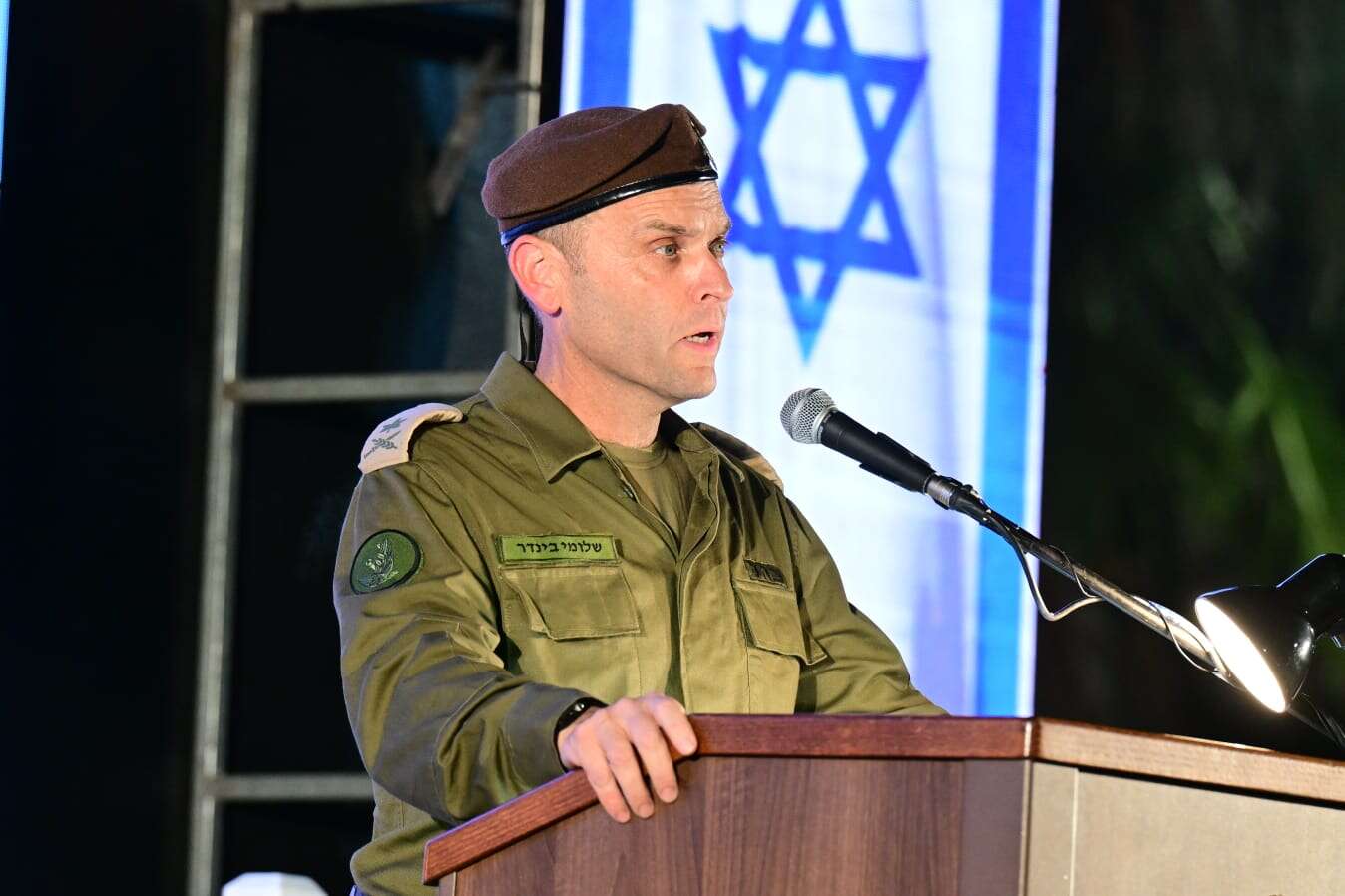
US-Israel coordination is vital both defensively and offensively. During the Iran war last June, the Americans assisted Israel's defense with THAAD and Aegis systems and also supported Israeli Air Force operations. Now it appears the US intends to lead the attack itself, at least in its initial stages. Israel could join if it comes under attack, both to neutralize direct threats against it, primarily ballistic missiles, and to contribute to the main effort, which according to reports in Washington could target the Iranian regime itself.
Tehran is aware of this dynamic and is speaking in two voices simultaneously. One is highly aggressive, using threatening rhetoric toward the US and its allies, including Israel. The other consistently leaves the door open to renewed negotiations. Turkey has taken on the role of mediator, through its Foreign Minister Hakan Fidan, positioning itself as a central regional player with reach extending from Iran, Iraq and Syria to Gaza.
Officially, Iran agrees to negotiations only on the nuclear issue, while the US demands a broader framework. This includes significant limits on missile production, an end to military support for Iran's regional proxies, Hezbollah, Hamas, the Houthis in Yemen and Shiite militias in Iraq, and an Iranian commitment to halt the brutal suppression of domestic protests.

Even on the nuclear file, the US is demanding far more than Iran is willing to concede. These demands include the removal of all highly enriched uranium accumulated by Iran and a complete halt to uranium enrichment on Iranian soil. These gaps have so far prevented a resumption of talks. If Iran maintains its refusal, President Trump will have to decide whether to pursue limited negotiations focused solely on the nuclear issue or to order a strike. Various reports suggest US readiness will peak toward the end of the coming weekend. Iran appears to understand this and has therefore stepped up maneuvers in the Gulf in an effort to project a counterthreat to American interests in the region.
The situation is highly volatile. Any move by either side could be misinterpreted, leading to miscalculation and war. Israel is preparing for the possibility of a preemptive Iranian missile attack, with similar preparations under way in several Gulf states. Still, it would be an exaggeration to link every regional incident to this tension. The explosion yesterday near Bandar Abbas in southern Iran, which killed six Iranian civilians, appears to have been an internal matter rather than a deliberate act of sabotage.
The Rafah crossing
While US-Israel efforts are currently focused on Iran, Gaza is also set to draw attention in the coming days, against the backdrop of the expected opening of the Rafah crossing. Over the weekend, the IDF attacked several Hamas and Palestinian Islamic Jihad terrorists, citing violations of the Gaza deal. The strikes also appeared to send a message that the opening of the crossing, a significant symbol of sovereignty, does not amount to Israel's de facto acceptance of continued Hamas rule in Gaza.
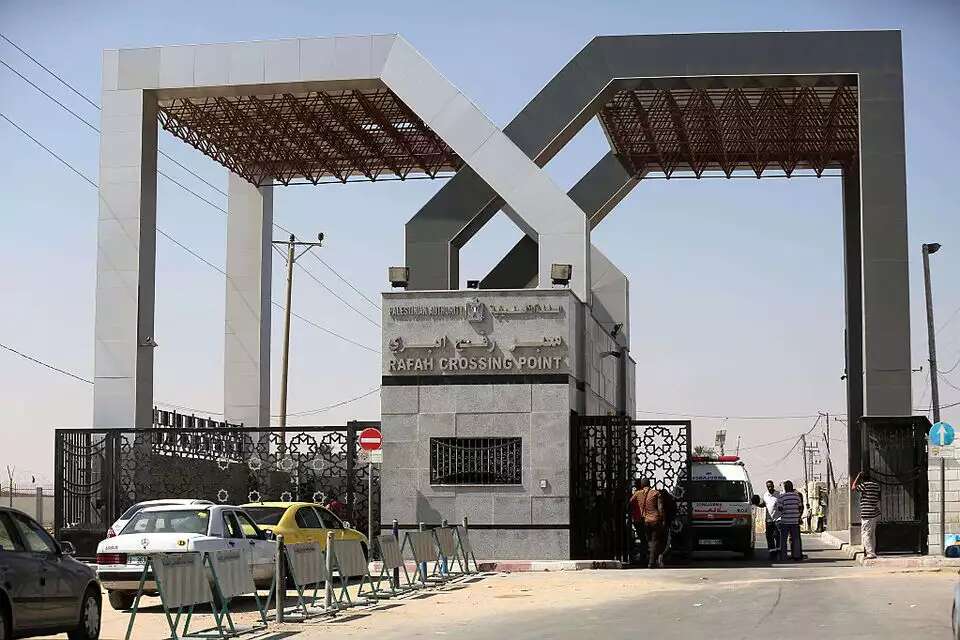
The opening of the crossing in itself poses a limited risk to Israel. The main danger lies in advancing civilian and economic processes in Gaza without parallel progress on demilitarization and the disarmament of Hamas. This is largely the result of Israel's failure to address the "day after" question, as well as empty commitments by Prime Minister Benjamin Netanyahu and senior members of his government, such as the pledge that the Rafah crossing would not be opened. They must now ensure that Israeli interests are not sidelined in favor of Washington's desire to accelerate the process.
As security attention remains focused on Iran and Gaza, several other issues with security implications are expected to surface this week. One is the draft exemption law being promoted by the government, in direct contradiction to Israel's security and national interests. Another is the Qatar-gate investigation, which has seen certain developments in recent days, alongside a separate probe of public interest involving the smuggling of goods into Gaza, in which a relative of Shin Bet chief David Zini is implicated.


