


Attack or deal? Across the Middle East, governments and militaries continue to track developments in Iran with caution and prepare for a wide range of scenarios. The prevailing assessment in the IDF Northern Command is that if a US-led campaign against Iran breaks out, Hezbollah will not remain out the picture, and will likely step in.
Unlike during Operation Rising Lion, Hezbollah now finds itself in a critical dilemma, coupled with a deep understanding of its role as part of the Iranian axis. The terrorist organization is already preparing for the possibility of an attack on Iran, fully aware that joining the fighting would exact an especially heavy price, potentially one that could reshape Hezbollah for years to come. This comes as many voices inside Lebanon are openly opposed to the terrorist organization, and its entry into a broader conflict, followed by a harsh Israeli response, could trigger an internal backlash just as severe.
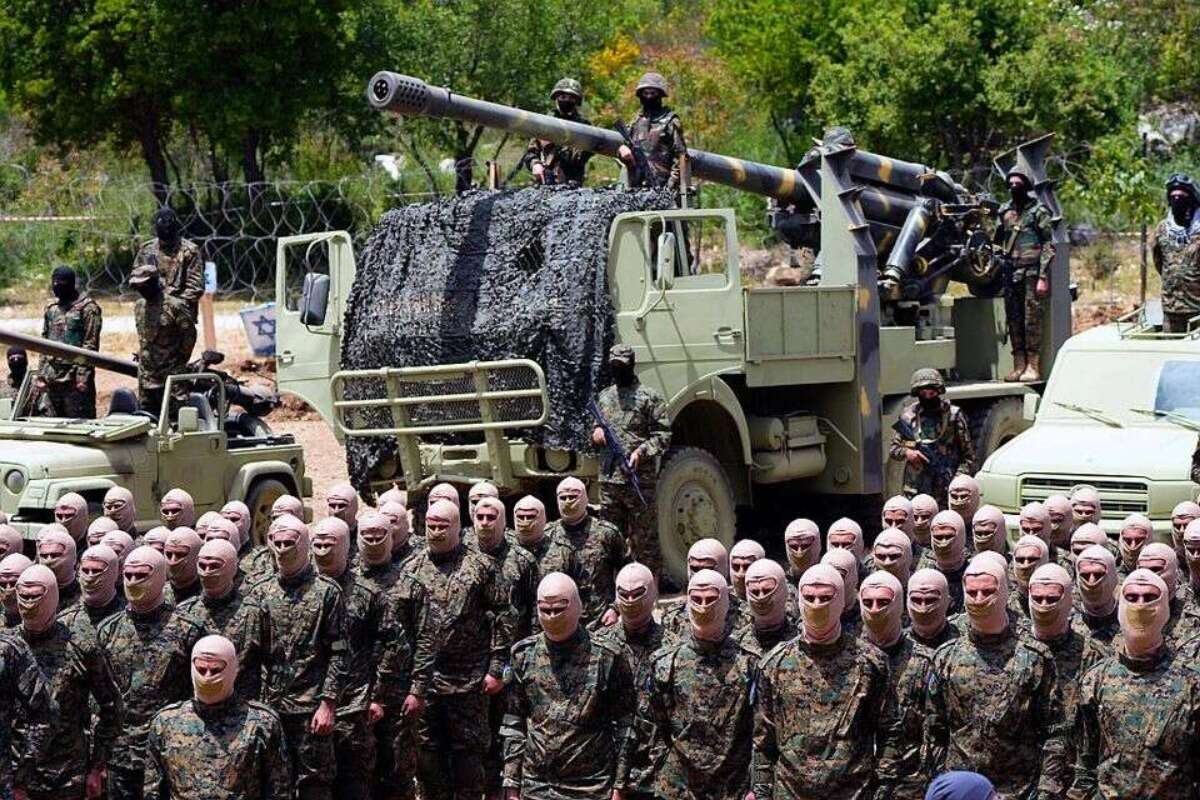
Hezbollah reaches this point of decision weakened, exhausted and in the midst of a complex rehabilitation process. During the war, the terrorist organization suffered significant damage to its command and control systems, infrastructure and core units. The Radwan Unit, once seen as a central offensive arm, is now in a very different state, with very limited operational capabilities available. Most of the force deployed in southern Lebanon is currently based on residents who have returned to their homes, and it no longer functions as an organized, combat-ready force.
At the same time, Hezbollah is investing considerable effort in recovery. It is reorganizing its command and control mechanisms, redefining areas of responsibility and roles, renewing ties with Iran and attempting to return to an orderly work plan. Its goal is clear: renewed entrenchment in southern Lebanon. For now, most of its efforts are focused on Beirut, the Dahiyeh neighborhood and deeper areas of Lebanon, where it is easier for the organization to operate. Even so, it faces a long list of obstacles.
A recovery plan
Israel is acting consistently against this rehabilitation process. Targeted killings, enforcement operations and raids along the first line of the border are undermining Hezbollah's ability to reestablish infrastructure and control territory. The organization would like to return to the border area and deploy a full operational infrastructure there, but it is struggling to do so. The area south of the Litani River has become particularly problematic for Hezbollah, in part due to a stronger presence by the Lebanese army, even though neither side views the other as an enemy.
Reality continues to delay Hezbollah's recovery. In one incident described on the Israeli side as exceptional, a senior Hezbollah operative was detained for several hours by a Lebanese army force, and the weapons found in his vehicle were confiscated. The difficulties are not only operational. Hezbollah is facing a financial crisis, struggling to pay salaries, with clear signs of eroding motivation. There have been cases in which operatives failed to respond to call-up orders due to nonpayment. Recruitment efforts are faltering, and its human infrastructure is wearing down.

Deeper inside Lebanon, the picture is different. North of the Litani, in the Beqaa Valley and in Beirut, Hezbollah enjoys far greater freedom of action. There, it can operate with relative ease, rebuild capabilities and transfer weapons, even though Israeli enforcement actions continue to deprive it of significant arms. This has not stopped Hezbollah from trying to recover. In the IDF , planners are constantly examining whether Hezbollah's rate of rehabilitation is outpacing the rate at which Israel degrades its capabilities. The assessment is that Israel may ultimately have no choice but to consider a broader operation in Lebanon, based on a new strategic approach aimed at preventing threats in multiple fronts from taking root.
One clear trend is causing serious concern in Israel: the shift toward the use of unmanned aerial vehicles. For Hezbollah, this field is viewed as a success. The organization is investing more in development, learning and integration of unmanned aerial capabilities, and less in precision missile arrays. UAVs are seen as an effective, flexible and cheaper tool, and above all one for which there is currently no hermetic solution. The assessment is that in the next conflict, this will be one of the central threats, if not the central one.
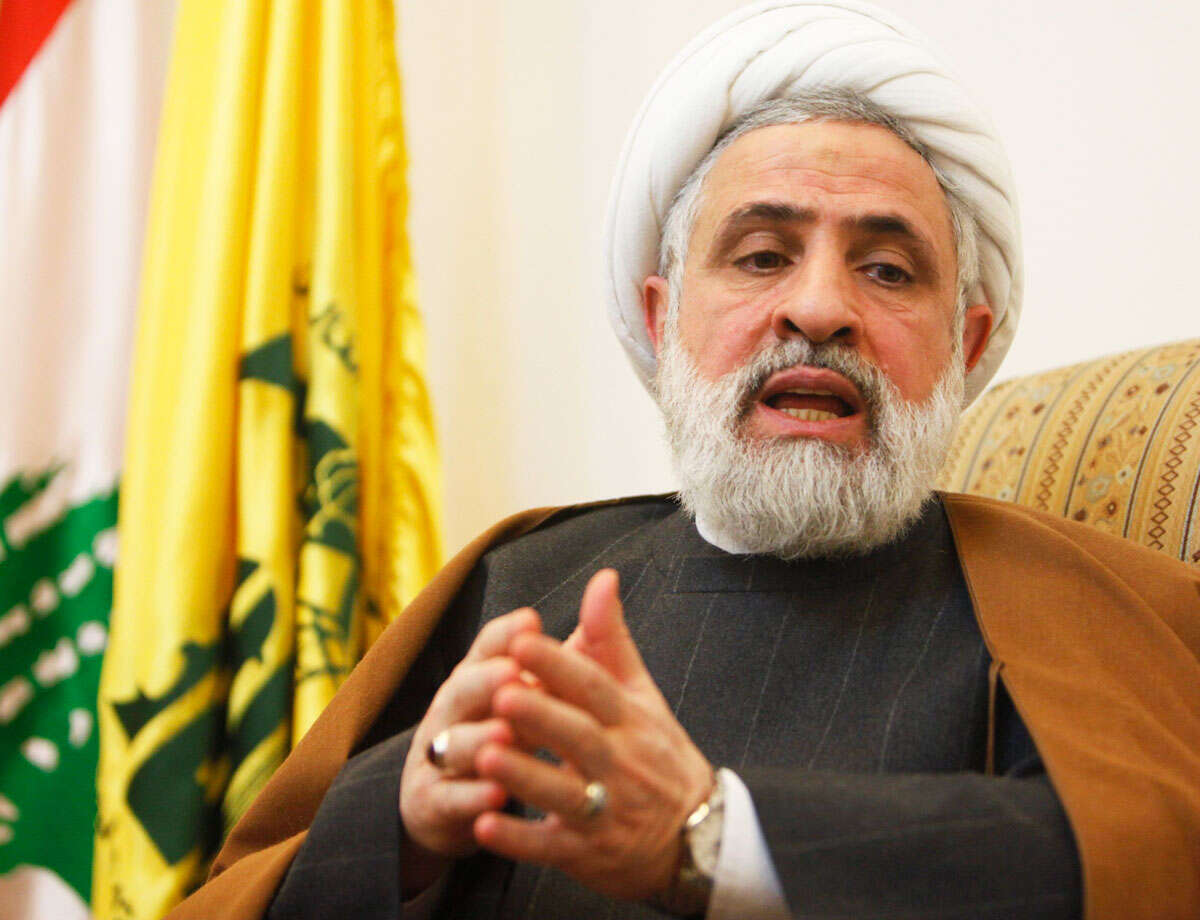
Hezbollah is currently operating along three parallel tracks: political influence and control within the Lebanese state, the military track of procurement and operational learning, and the effort to reestablish itself in southern Lebanon after Israel struck its infrastructure and weapons. Each of these tracks has been damaged to some degree, but none has collapsed entirely. The organization is trying to rearm by every possible route, by sea, air and land, with Iran remaining its sole weapons supplier.
Eyes on Damascus
The IDF Northern Command is also closely monitoring the Syrian front. For several months now, Israel has not carried out airstrikes in Syria, operating only within the security zone. But Syria remains a complex, multi-actor theater. Turkey has emerged as a central player that worries Israel, as it is arming Syrian forces. During fighting between the Syrian army and Kurdish forces, Turkish-made weapons were clearly visible. There is also friction with Turkey in the air, as aircraft from both sides encounter each other during patrols. While there have not yet been close encounters requiring the use of force, the concern remains.
It is important to remember that Turkey is a NATO member, with all that implies. In addition, US forces are also active in Syria and are trying to advance stabilization processes. Russia remains in the arena for strategic reasons, even if at a lower intensity than in the past. The multiplicity of actors and the friction among them serve Israel's interests, as they complicate rapid entrenchment by the Syrian regime and buy Israel time to prepare.

The Syrian regime itself is gradually rebuilding: recruiting manpower, establishing new military frameworks and reviving divisions. Recently, there have also been signs of former Assad-era officers being recruited back into the ranks of the renewed army. The Syrian military is pursuing procurement efforts, mainly from Turkey, including air defense systems. These processes have not yet matured, but they require vigilance.
For now, Israel's freedom of action in Syria is preserved. The Northern Command has been instructed to protect the Druze in Syria, and cooperation with them is extensive. In the Sweida area, clashes between rival clans are still being recorded, and the assessment is that, following its perceived success with the Kurds, the regime will attempt to approach the Druze as well.
In the security zone, numerous terrorist organizations previously operated and sought to gain a foothold, including Hezbollah, jihadist groups such as Jabhat al-Nusra and Iranian proxies. Today, rogue militias are active in the area, but on a limited scale. For IDF forces on Syrian territory, the main warnings relate to attempts to plant explosives or carry out localized attacks against Israeli troops. Syrian army forces that are entrenching themselves on the outskirts of Damascus are indirectly coordinated with the IDF, as they too are operating against those same organizations.


