


A day after the meeting between Special Envoy Steve Witkoff, a close associate of President Trump, and Iranian Foreign Minister Abbas Araghchi, it is clear that the real talks have yet to begin. The encounter, which was conducted largely through indirect channels but included the first direct meeting between Witkoff and Araghchi since Operation Rising Lion, mainly served as a venue for the sides to restate their respective positions.
During the meeting itself, the parties primarily exchanged mutual demands, and no substantive negotiations took place. Still, it is evident that Iran is maintaining its core position, insisting that it has no intention of discussing any issue other than the nuclear file. On the other side, the position of the US administration remains somewhat unclear, but President Trump's insistence on focusing on the nuclear issue suggests he is not ruling out such an approach.
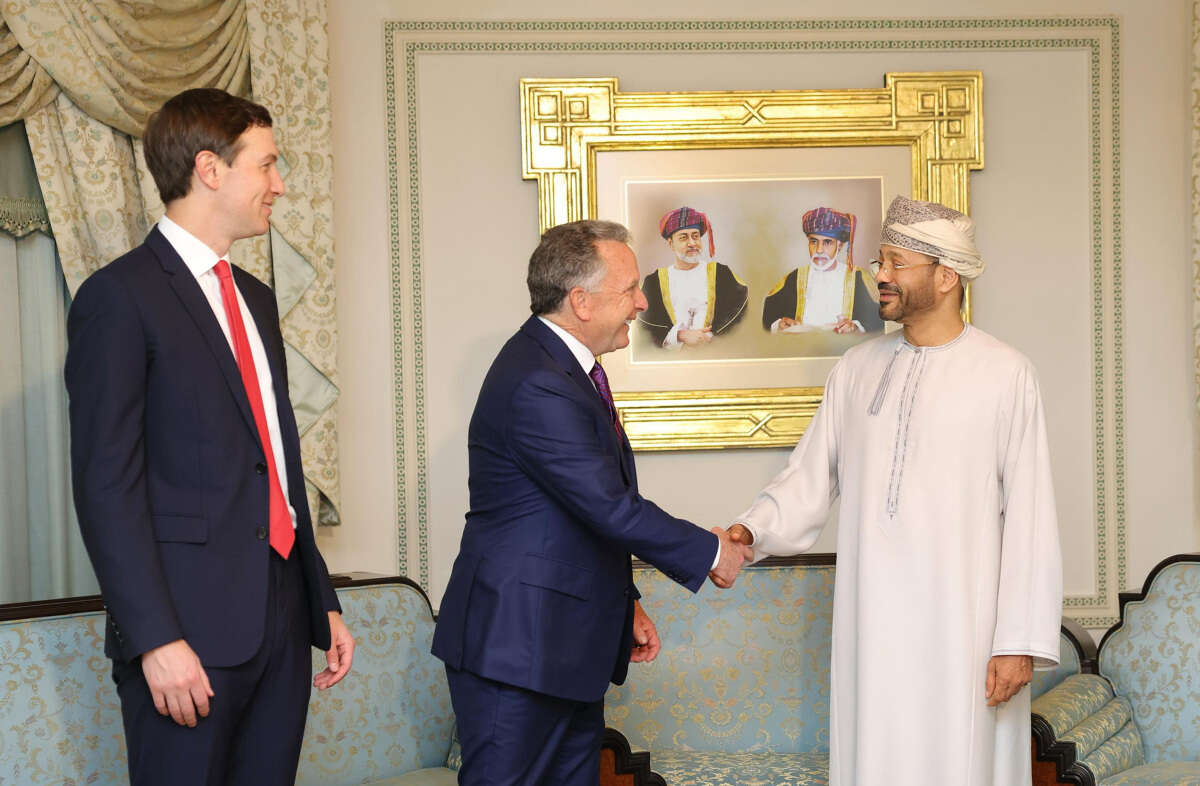
No date has yet been set for future talks, though it is clear that the mediators will move quickly to establish one. If the sides seek real progress, it is likely that the format will shift to direct and continuous meetings. Otherwise, advancing toward an deal will be extremely difficult.
It is also clear that neither side is aiming for a broad and far-reaching agreement akin to the 2015 nuclear deal. Instead, the goal appears to be a limited set of understandings that would allow President Trump to climb down from the tree and present significant diplomatic achievements, without crossing Iran's red lines in the negotiations. The fact that Iran is not currently enriching uranium, combined with the basic willingness it has shown in the past to offer compromises on nuclear matters, could allow for some degree of progress in the talks.

At the same time, despite the shared interest in preventing the collapse of the talks, both sides understand that military escalation remains a real possibility. As a result, alongside efforts to advance negotiations, they are maintaining a high level of military readiness and continuing measures designed to preserve deterrence, such as Iran's recent unveiling of the Khorramshahr 4 missile.
From an Israeli perspective, the fact that President Trump consistently refers only to the nuclear issue, without addressing other concerns, and even hints at the possibility of a deal focused exclusively on the nuclear file, should deeply worry the Israeli government. Such an agreement between Iran and the US would not only leave Iran's missile program untouched, but could also lead to a significant reduction in American involvement in the Iranian issue.


