


There is a significant gap between statements from Iran claiming that only the nuclear issue is on the table in talks with the Americans and that Tehran has no intention of giving up uranium enrichment, and the talk of a "positive atmosphere" in the negotiations and an apparent desire to continue them.
Diplomatic sources familiar with the talks say the references to a "positive atmosphere" are merely diplomatic phrasing masking a lack of agreements. According to the sources, the Americans flatly rejected the Iranian attempt to set a lengthy timetable for "confidence-building" and to postpone discussion of all issues other than the nuclear file until after an agreement is reached on the nuclear question. The diplomatic sources add that reports in Iran about the talks are intended for domestic consumption, aimed at preventing calls by the conservative camp and the leadership of the Islamic Revolutionary Guard Corps to halt the negotiations.

At this stage, there is no final agreement even on holding a third round of talks, nor on the venue or timing. The sources say that after rejecting the Iranian demands, the talks were paused, after which the Americans presented the administration's positions. These include a complete halt to uranium enrichment and the transfer of enriched uranium, an end to the long-range missile project, a cessation of support for terrorist organizations and an end to executions and the crackdown on protesters across Iran.
For their part, the Iranians, as previously reported in Israel Hayom, are prepared to discuss the nuclear issue, missiles and support for their proxies, but only after the nuclear matter is resolved and substantial sanctions relief is granted.
Even now, the overall picture points to a low likelihood of reaching agreements. The Americans are applying additional pressure, including the participation of US Central Command commander Gen. Bradley Cooper in the talks and a highly publicized visit by envoys Steve Witkoff and Jared Kushner aboard the aircraft carrier Abraham Lincoln, one of the main symbols of American power deployed to the region. Diplomatic sources say there are disagreements between the Witkoff-Kushner team and Secretary of State Marco Rubio, Defense Secretary Pete Hegseth and Vice President J.D. Vance.
Witkoff and Kushner believe the negotiations should continue even if Iran appears to be stalling, and that a complete halt to the nuclear project would constitute a sufficient achievement. The others insist that missiles and proxy organizations are essential demands and broadly support a significant push toward toppling the regime. According to an American official present at an internal discussion, one of the ministers said the current direction of the talks would not yield results better than the 2015 Obama-era nuclear deal, and that to resolve most of the region's problems it would be necessary to remove the ayatollahs' regime "the way Hamas was removed in Gaza."
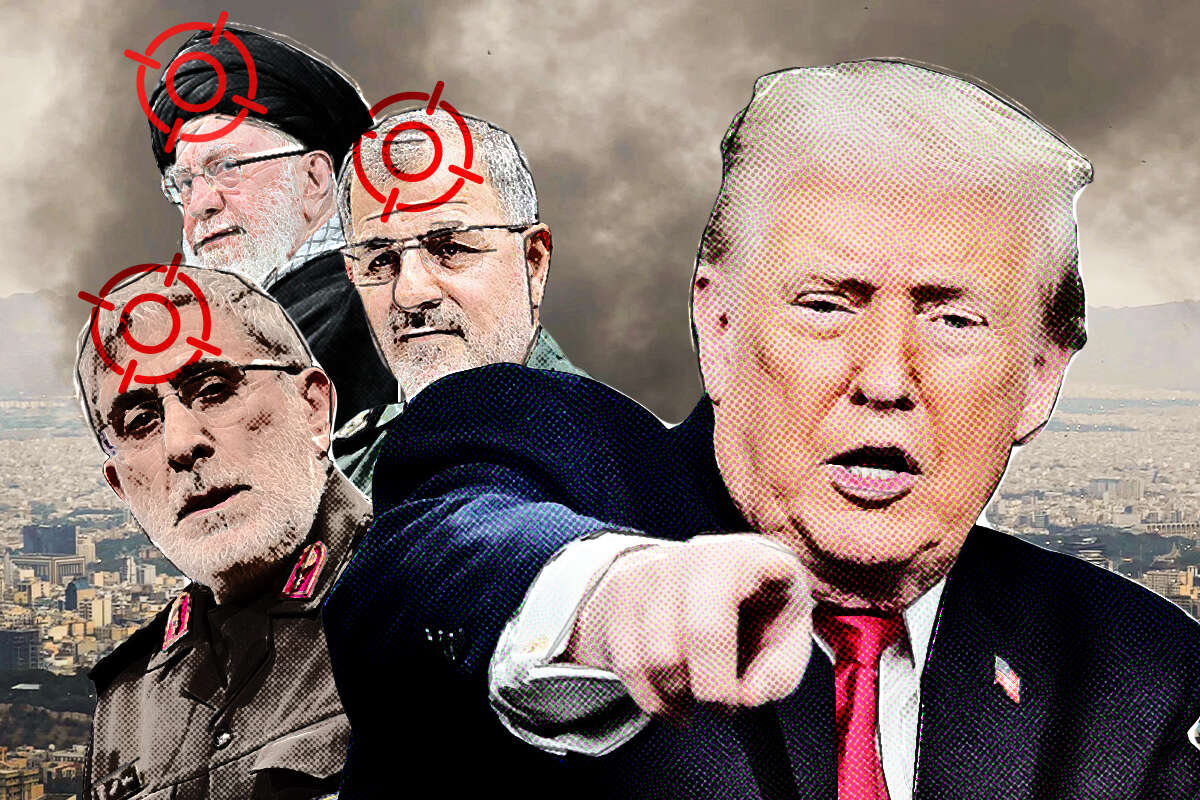
A reasonable assessment suggests that President Donald Trump and his team are unlikely to compromise. The continued buildup of forces, particularly defenses for US bases in the region, indicates that a military option appears more likely than the opposite decision. "The Americans are talking with Iran in part to secure broad legitimacy, including from regional countries, for a strike on Iran after diplomatic options are exhausted," one of the sources said.
Iranian President Masoud Pezeshkian, his deputy Jafar Jamfana and Foreign Minister Abbas Araghchi, who support the negotiating approach, are facing harsh criticism at home. Members of parliament Amir Sabati and Hamid Rezaei are among the leading critics. They accused Jamfana, among other things, of questionable loyalty because his son studies in the US. Sabati called on Pezeshkian to order attacks on US Navy vessels instead of talking to Washington.
The one maintaining silence is Supreme Leader Ali Khamenei, who traditionally mediates between the reformist and conservative camps. Khamenei approved entering negotiations but imposed limits on Araghchi. The assessment is that even if Araghchi manages to secure some sanctions relief, Khamenei, whose standing appears to have weakened, will not be able to persuade conservatives to accept a halt to the military nuclear program and the transfer of enriched uranium to a third country. He certainly will not succeed in convincing them to abandon the policy of supporting terrorist organizations across the Middle East, which serve as military and economic arms of the Islamic Revolutionary Guard Corps.
A diplomatic official who has dealt with Iran for many years told Israel Hayom that personal interests also play a significant role for the conservative camp, whose senior figures have enriched themselves through control of Iran's economy. Former president Hassan Rouhani, considered a reformist, said the fiercest opposition to talks often stems not from principled resistance to diplomacy itself, but from fears over who might gain politically if diplomacy succeeds and who might lose personally from any agreements.

