Israel Hayom is a media organization founded on the belief that the Israeli public deserves better journalism—more balanced, more accurate, and more reliable. Journalism that speaks rather than shouts. Journalism that is trustworthy, objective, and matter-of-fact. A different kind of journalism, offered free of charge.
The first print edition was published on July 30, 2007, and in 2010 Israel Hayom became the Israeli newspaper with the highest weekday readership. The newspaper’s publisher is Dr. Miriam Adelson. Its Editor-in-Chief is Omar Lachmanovitch, and its founding editor is Amos Regev.
Israel Hayom’s Hebrew and English websites, as well as its Android and iOS applications, provide around-the-clock news coverage, exclusive content, breaking news and updates, analysis and commentary, video, podcasts, and live broadcasts.
The digital platforms of Israel Hayom include news and opinion channels covering culture and entertainment, lifestyle, technology, sports, business and consumer affairs, health, military affairs, food, Judaism, tourism, and automobiles.
In 2021, a new Hebrew-language website and mobile application were launched to provide users with a fast, up-to-date, secure, and convenient experience.
The content of the newspaper’s print edition is also available online through a daily digital edition and can be received via newsletter.
“The Israel Hayom Clique,” the publication’s exclusive benefits club, offers website users discounts and special promotions on products and services.
Israel Hayom welcomes feedback, criticism, and suggestions for improvement from its readers. You can contact the organization by email at hayom@israelhayom.co.il
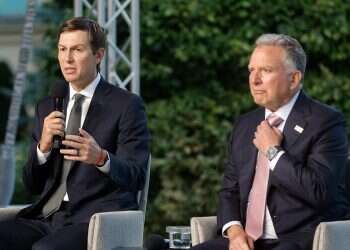
A three-hour meeting was held between Trump administration officials, including Steve Witkoff and Jared Kushner, and a delegation from Tehran on the sidelines of the UN General Assembly in New York. US sources said the meeting had been planned in advance and focused on the conditions for renewing negotiations, foremost among them reopening the Strait of Hormuz.
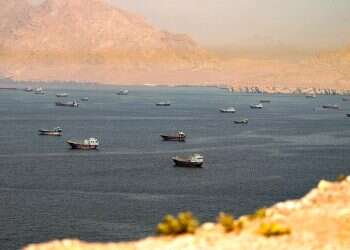
Three diplomatic sources involved in the talks tell Israel Hayom that a deal is not close and that the draft understandings between Oman and Iran fail to meet the US demand for unrestricted passage through the Strait of Hormuz.
US officials say senior commanders in Iran's Islamic Revolutionary Guard Corps will be the primary targets of a renewed economic campaign if Tehran continues to violate understandings reached with Washington. The US Navy is also preparing to once again shut down the Strait of Hormuz to Iranian shipping if necessary.
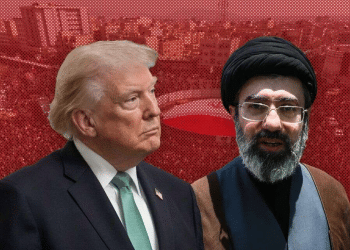
Western diplomats and political officials from the Middle East are pessimistic about the talks between the countries. Harsh statements against the US by Iranian leaders during the week of mourning for Khamenei, along with calls to take revenge on Trump and his supporters, are doing little to ease tensions. In the background, Iran is setting additional regional demands, including an end to Israel's military confrontation in southern Lebanon, making it harder to formulate a comprehensive permanent agreement.
Iran has postponed the renewal of broad negotiations with the US until at least July 18, agreeing only to technical-level talks. At the same time, criticism is growing in Washington over Tehran’s exploitation of sanctions relief, while Iran prepares for the possibility that the war will resume in the future.
Sources familiar with the talks say the Revolutionary Guards barred Foreign Minister Abbas Araghchi from attending a meeting with the US envoys. At the same time, Tehran is insisting on control over the Strait of Hormuz, a demand Washington rejects.
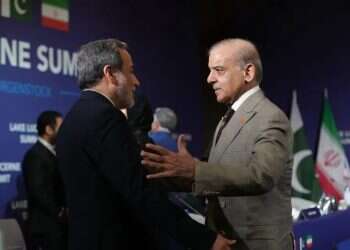
The American and Iranian delegations met in Switzerland for direct talks mediated by Qatar and Pakistan. Lebanon is expected to be at the center of the discussions, alongside the nuclear issue and sanctions. Vance: "Great progress has been made."
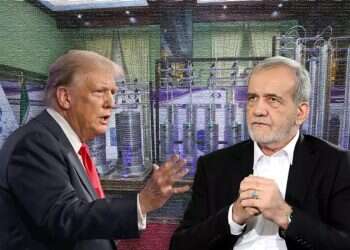
The signing was carried out remotely, with the Iranian side signing the memorandum in Tehran while Trump signed it at the Palace of Versailles during his visit to France. Iranian Foreign Ministry spokesman: “Without any compromise, we will monitor the other side’s compliance with its commitments, and we will meet our commitments only if the other side meets its own.”