US President Donald Trump is expected to raise Beijing's position on the war with Iran with Chinese President Xi Jinping when the two meet this weekend in Beijing, senior US officials told Bloomberg.
On the agenda are China's oil purchases from Iran, US concerns about Chinese arms exports to Tehran, and efforts to formulate a new trade agreement between the two powers. The visit, which begins Wednesday, will be the first by a US president to China in nearly a decade.
A senior US official told Bloomberg that Trump intended to press Xi on two main issues: China's purchase of Iranian oil, in disregard of US sanctions, and US concern over Chinese arms exports to Tehran. The US has already imposed sanctions on several Chinese companies over their purchase of Iranian oil, mainly private refineries known as "teapots," and over the provision of satellite imagery that was also used to strike US forces during the war.
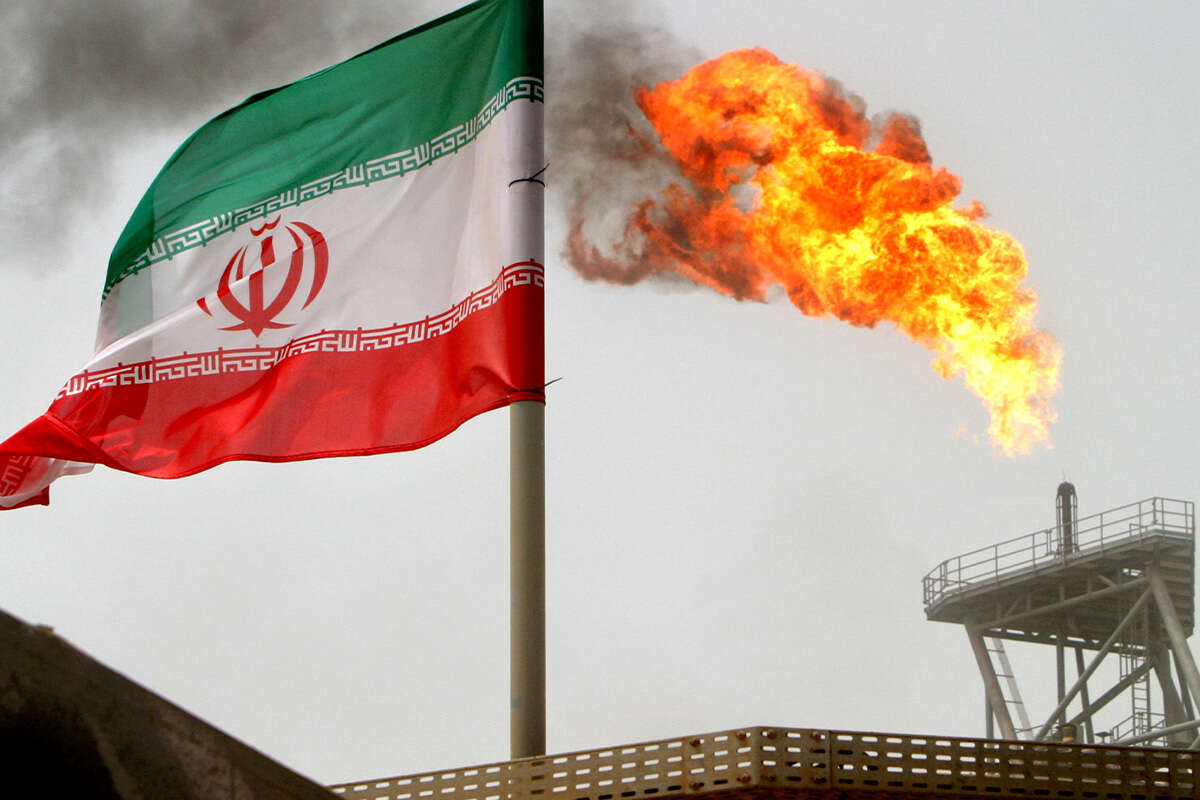
A lifeline for Iran
China is the largest buyer of Iranian oil and has been Tehran's main economic lifeline since Western sanctions were imposed on it. It is responsible for purchasing about 90% of Iran's oil exports, which account for around 14% of China's total oil imports. Chinese refineries buy Iranian oil at a steep discount while ignoring US sanctions, a move Washington views as a lifeline for besieged Iran.
Chinese Foreign Ministry spokesman Guo Jiakun on Monday called the sanctions "illegal and unilateral" and said, "We have always required Chinese companies to conduct business in accordance with the law, and we will firmly defend their legitimate interests." Guo added that "the urgent priority is to prevent by every means the resumption of fighting, not to use the war to smear other countries."
In April, Israel Hayom reported, citing three diplomatic sources in the region, that China was taking a dual-track approach, publicly defending Iran while at the same time exerting pressure on it behind the scenes and working with the heads of the Revolutionary Guards to soften their positions. According to those sources, Beijing even warned Tehran that if the blockade of the Strait of Hormuz continued, it would turn to alternative oil sources and consider suspending the strategic cooperation agreement between the two countries.

The main loser
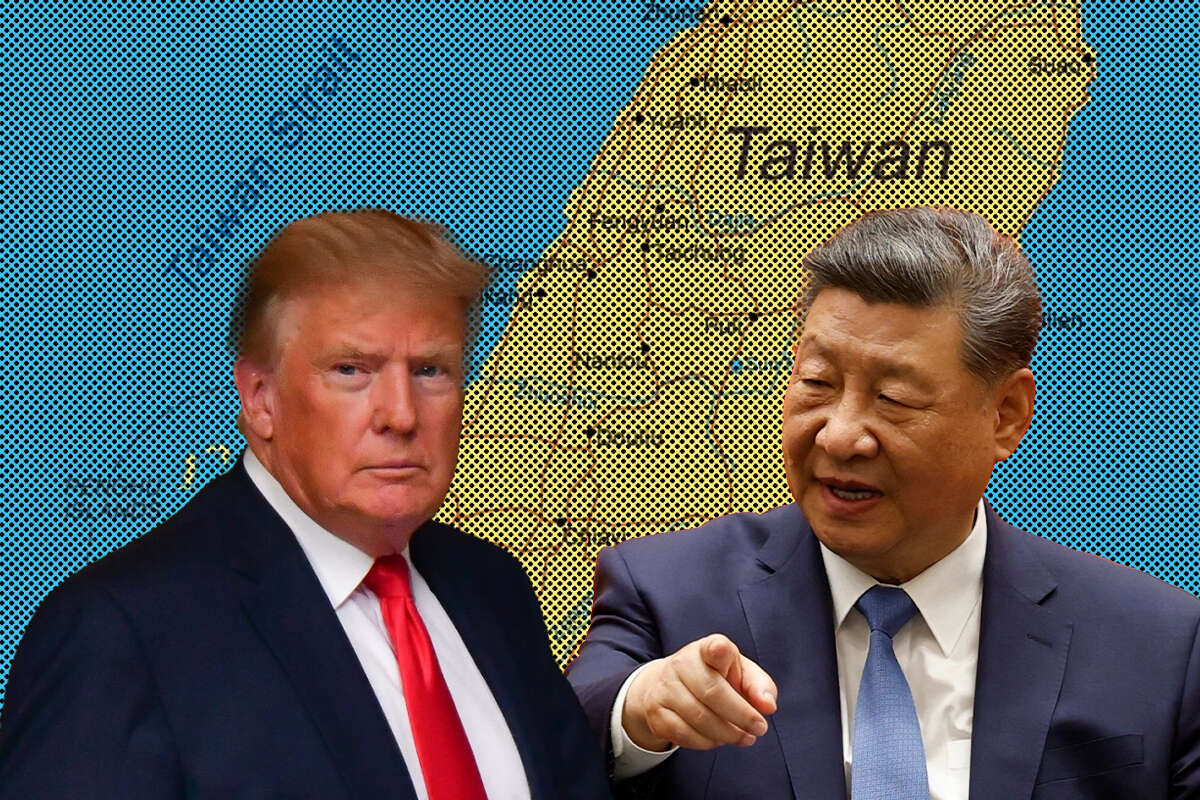
As the US seeks Chinese understanding for its position on Iran, Taiwan could be the one to pay the price. A senior Taiwanese official told Bloomberg that he feared the island, which has functioned as a de facto state since 1949 and is claimed by China, "will be on the menu" in the talks between the powers.
Beijing is demanding that Washington formally declare that it "opposes Taiwan independence," a step China would consider a real diplomatic achievement, and is warning Washington not to provide weapons to the island. According to the report, there is currently no expectation of a change in US policy toward Taipei.
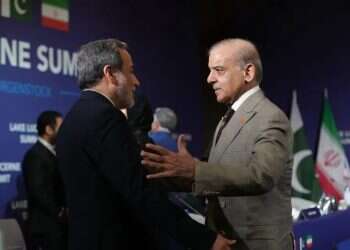
Iran delivered its response to the US plan to end the war through mediator Pakistan on Sunday, effectively rejecting the US proposal. "I just read the response from Iran's 'representatives,'" Trump wrote on Truth Social. "I don't like it. Totally unacceptable!"
Tasnim, which is close to the Revolutionary Guards, responded to Trump's remarks by quoting a source familiar with the details as saying: "No one in Iran drafts plans to please Trump. The negotiating team must draft plans solely in the interest of the Iranian people's rights, and if Trump is not satisfied with them, that is better anyway."

A "legitimate and generous" proposal
On Monday, Iranian Foreign Ministry spokesman Esmaeil Baghaei responded to Trump's rejection and called the Iranian proposal "legitimate and generous," while the US, he said, continued to cling to "unreasonable and unilateral" demands.
"Our demand is legitimate: an end to the war, the lifting of the American blockade and robbery, and the release of Iranian assets that were unjustly frozen in banks under US pressure," he said. Baghaei added that "safe passage through the Strait of Hormuz and the establishment of security in the region and Lebanon are additional Iranian demands, which constitute a generous and responsible proposal for regional security."
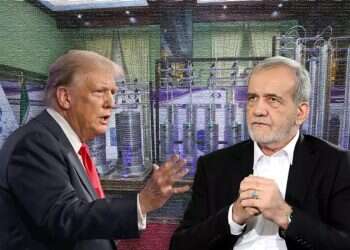
According to The Wall Street Journal, the Iranian response document sent to Washington on Sunday runs several pages. At the heart of the proposal are an end to the fighting and a gradual reopening of the Strait of Hormuz, alongside the lifting of the US blockade on Iranian ports and ships. On the nuclear issue, Iran is proposing to dilute some of its enriched uranium and transfer the rest to a third country, but only on condition that it receives guarantees for its return if the negotiations fail. Tehran rejected outright the US demand to dismantle its nuclear facilities.
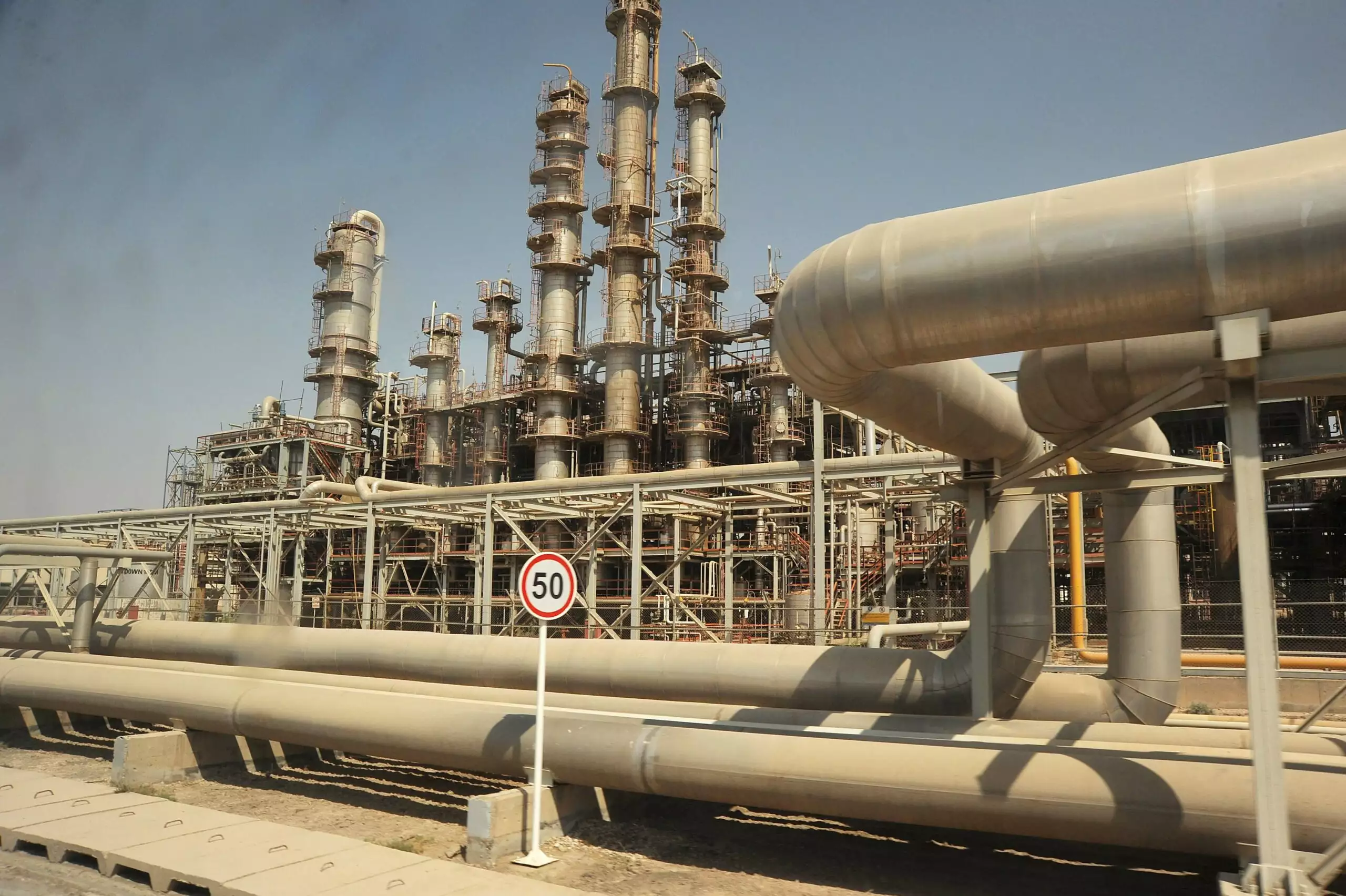
Iranian state television said Iran had rejected the US plan because it amounted to "surrender to Trump's excessive demands," and that the Iranian proposal emphasized Iran's sovereignty over the Strait of Hormuz and the need for the US to pay war compensation. Tasnim called The Wall Street Journal's report on the nuclear issue "inconsistent with reality in important parts," quoting a source familiar with the details as saying that "the points The Wall Street Journal raised on the nuclear material are incorrect."
According to Tasnim, the Iranian proposal emphasizes an immediate end to the war "on all fronts," including Lebanon and Iraq, and a guarantee that Iran will not be attacked again. Among the specific demands are an end to the naval blockade immediately upon the signing of the initial memorandum of understanding, the removal of sanctions on the sale of Iranian oil during the ceasefire, and the release of frozen assets immediately once the final agreement is reached.