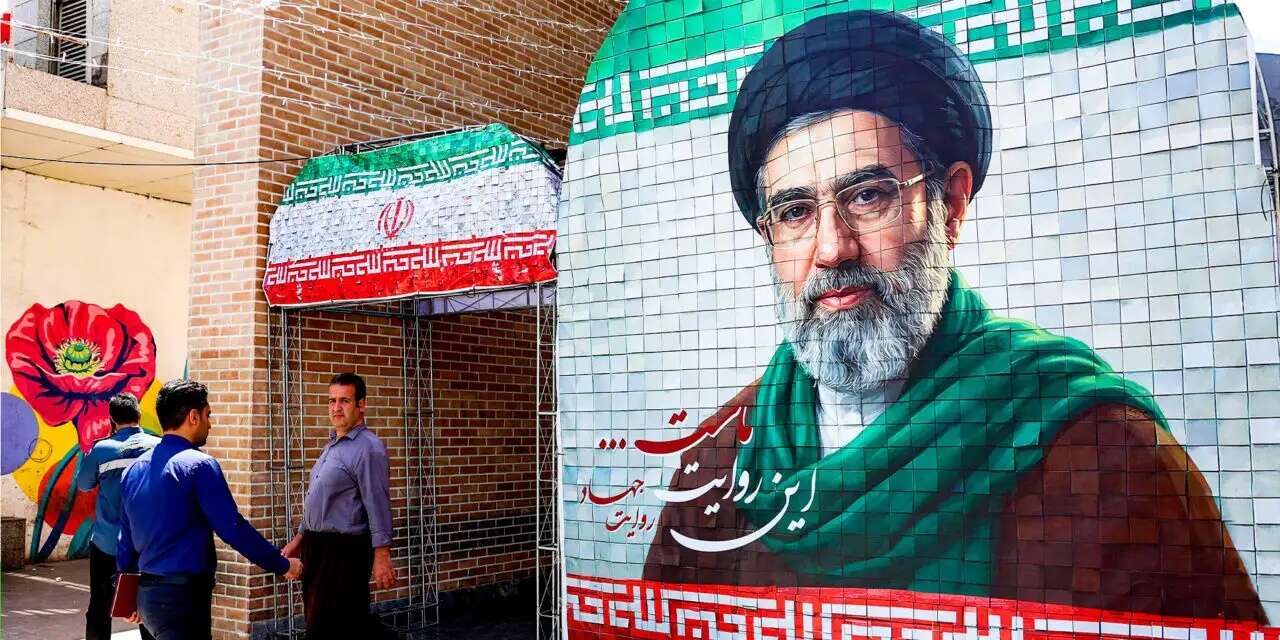
Iran's Fars News Agency reported Sunday that Ali Abdollahi, commander of the Khatam al-Anbiya Central Headquarters of the Armed Forces, met with Supreme Leader Mojtaba Khamenei.
According to the report, Abdollahi presented Khamenei with a report detailing the "peak readiness" of all branches of Iran's security forces, from the Revolutionary Guards to the Basij. Abdollahi told the leader that the forces were prepared to respond "quickly and forcefully" to any "strategic mistake or aggression by the American-Zionist enemy."
Shortly afterward, the spokesman for Iran's National Security Committee wrote on his X account: "The policy of restraint is over," warning that any aggression against Iranian vessels would be met with a "heavy and decisive" response against US bases and vessels. The spokesman ended his remarks with a demand for surrender and concessions by the US, stating: "You must get used to the new regional order."
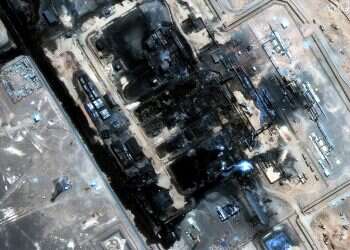
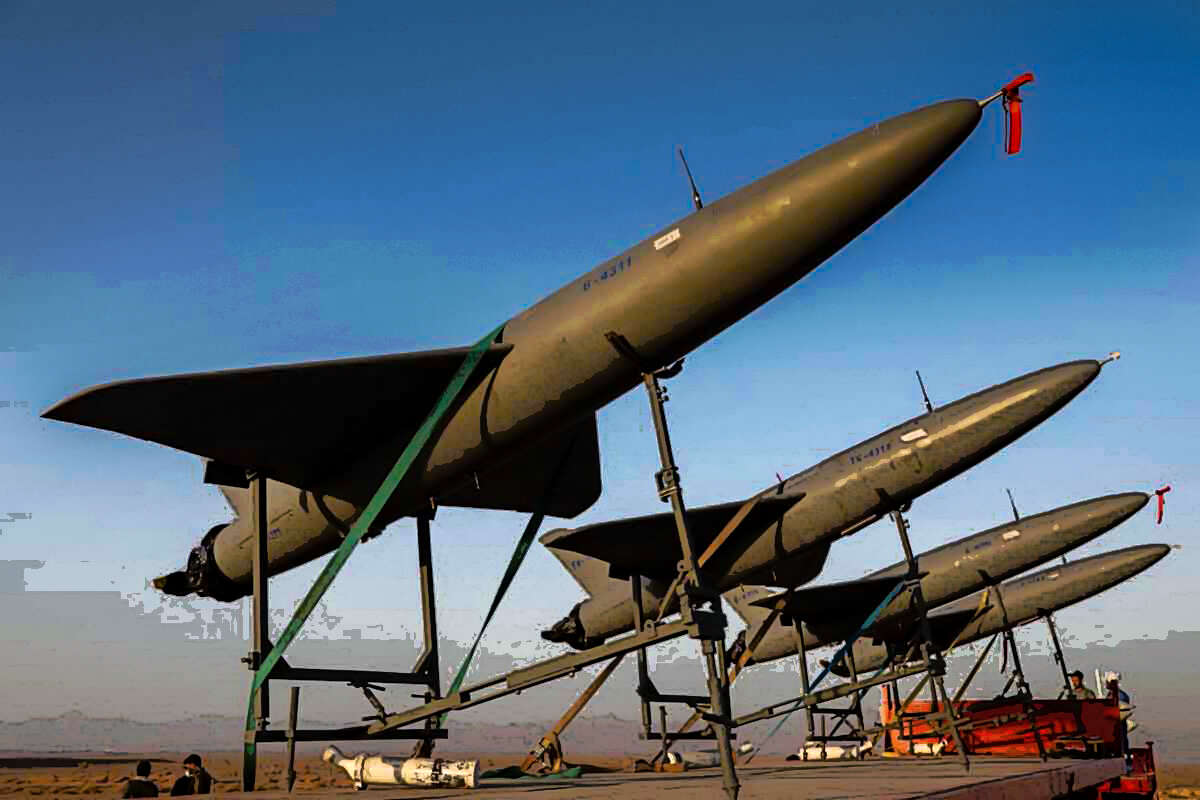
Meanwhile, the UAE Defense Ministry said the country's air defense systems had dealt with two drones that came from Iran. In addition, security officials told Reuters that a "drone attack" had struck the Iranian Kurdish opposition area east of Erbil in Iraq. Kuwait also issued a statement earlier in the day saying the military had detected and acted against drones that had entered its airspace.
According to reports in Western media outlets, Mojtaba Khamenei has not been seen in public since February, when he was said to have been critically wounded in the same airstrike in which his father, the previous supreme leader Ali Khamenei, his wife and his son were killed. All messages on his behalf have been conveyed in writing or through images that raised suspicions they were generated by artificial intelligence.
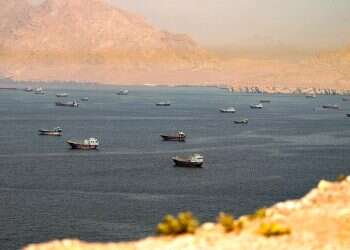
The Iranian threat of a "forceful response" comes at a critical diplomatic moment. The Trump administration is still awaiting Tehran's answer to a 14-point memorandum on ending the war and reopening the Strait of Hormuz. Although Washington had expected an answer as early as last Friday, Iran continues to send conflicting messages.
Iranian Foreign Minister Abbas Araghchi expressed reservations about the US proposal in a conversation with his Turkish counterpart, accusing the US of "violating the ceasefire" and raising tensions in the Persian Gulf. Tehran appears to be torn between the political echelon, which wants a deal, and hard-liners in the military pushing for the confrontation to continue, while Mojtaba Khamenei's health and political standing remain a mystery.