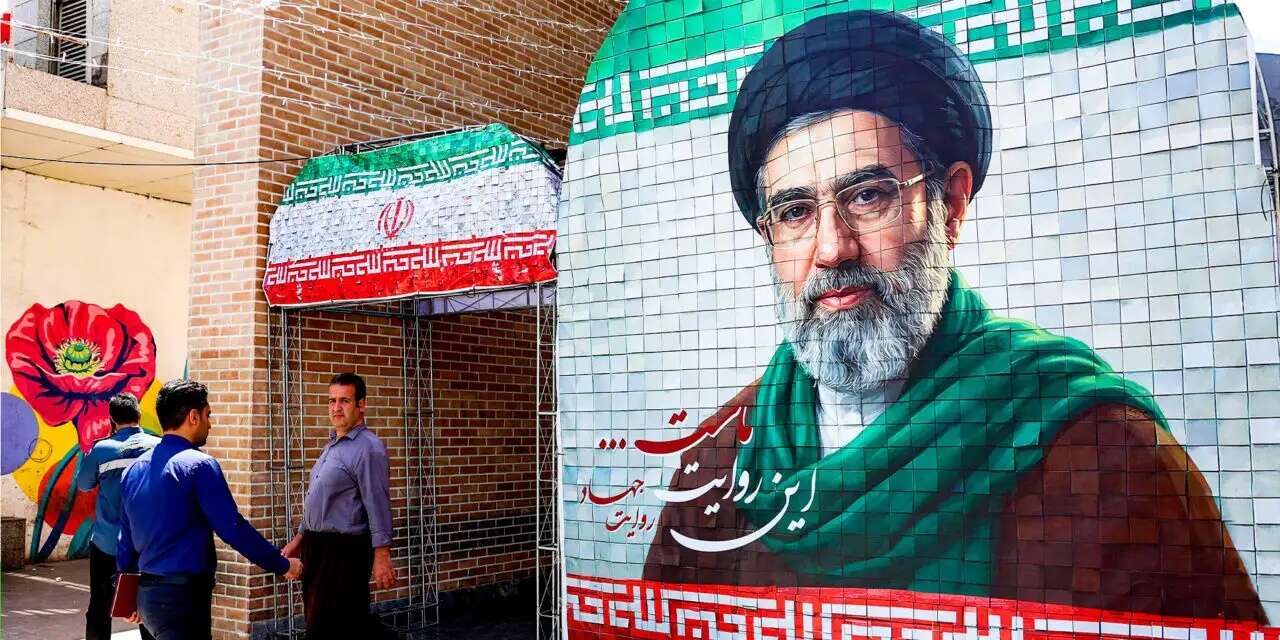
According to information reaching Western intelligence agencies, Iran's unemployment rate has passed 50% of the workforce, a figure of great significance for the regime's ability to withstand the Americans' ultimate demands.
The economic situation is extremely difficult for households across Iran and continues to deteriorate among the Revolutionary Guards, soldiers, the Basij and the regime's other arms as well, a situation that should also lead to greater flexibility on that angle.

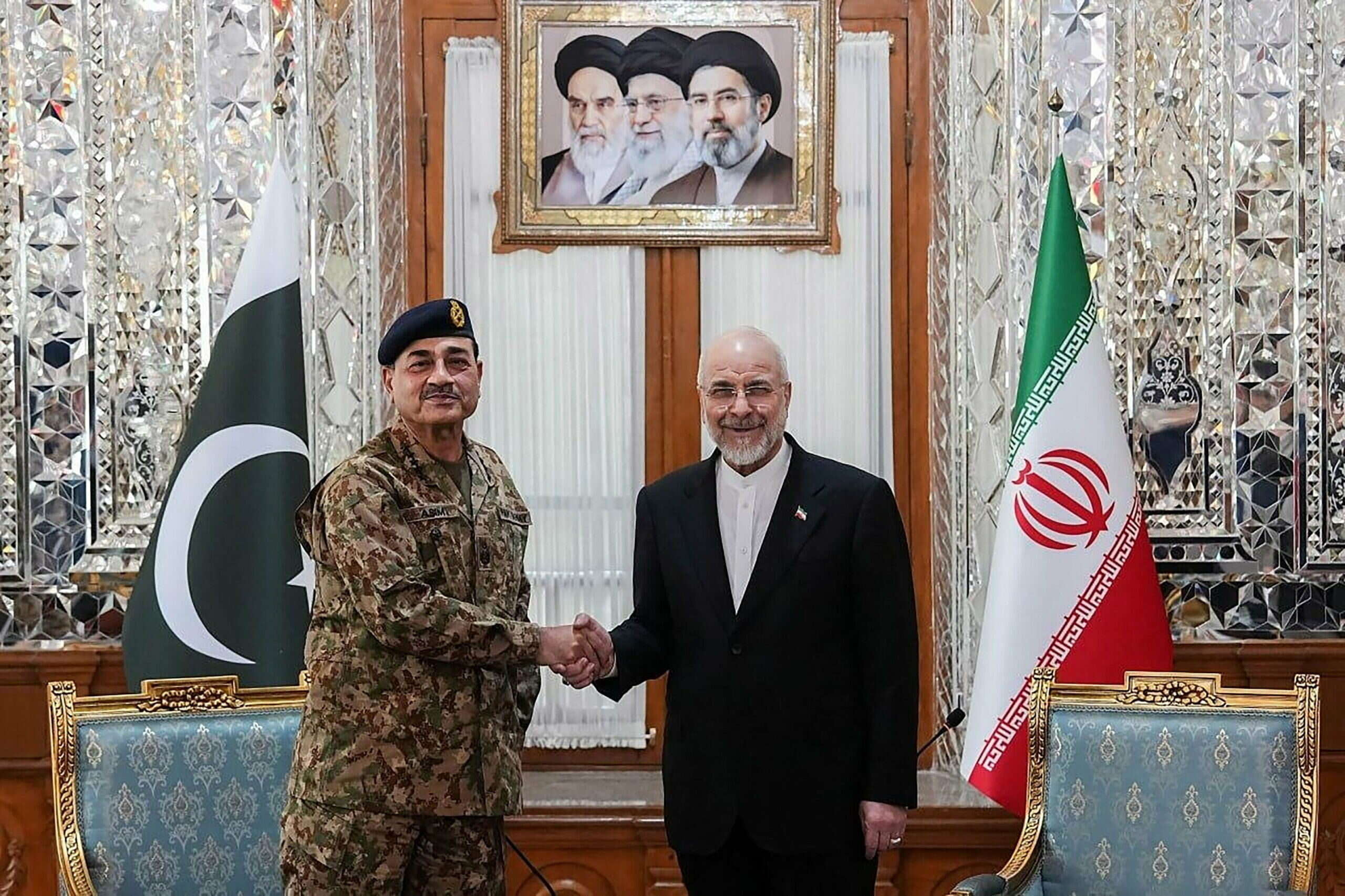
Pakistan's chief of staff, Gen. Asim Munir, promised the Americans that he could secure Iranian agreement on at least two issues: the unconditional opening of the Strait of Hormuz in return for a parallel American opening, and a nuclear arrangement aligned with US demands. So far, however, he has not succeeded. Each time Iran's political echelon showed willingness to agree, Revolutionary Guards commanders blocked the move. That is why the Americans are demanding guarantees that all regime factions will ratify any understandings reached in the negotiations.
Two conditions
The resumption of talks this week depends on two conditions: a commitment by all regime factions to the understandings, and the nuclear issue, on which there is apparently an agreed draft with Iran's political echelon. At least some of the answers are expected to appear in Iran's response document, which has been delayed. One reason for the delay is the Revolutionary Guards' waiting tactic, as they play for time and expect cracks to emerge on the American side and among its allies.
Such disagreements are also the reason for the suspension of the US operation to escort ships and tankers through Hormuz. The Saudis and Qataris, although they were not attacked, have received Iranian threats that they are next in line and feel unable to protect their oil fields from Iranian attacks.
Qatar is also trying its hand at mediation, or at least at influencing the negotiations. Prime Minister Mohammed al-Thani met in Washington with US Vice President JD Vance, but not with the president himself. That is significant: Vance is the senior official on the negotiating team, but he is considered less influential.
Meanwhile, on the Lebanese front: Technical working teams will join the talks that are set to resume this week in Washington for the first time. They will deal with drawing the border line, where small disputes remain. The aim of this week's discussions is to lay the groundwork for intensive negotiations and map the points of disagreement: Lebanon's demand for an IDF withdrawal versus Israel's demand for the practical implementation of Hezbollah's disarmament.