Sunday May 10, 2026
NEWSLETTER
www.israelhayom.com
  • Home
  • News
    • Israel
    • Israel at War
    • Middle East
    • United States
  • Opinions
  • Jewish World
    • Archaeology
    • Antisemitism
  • Lifestyle
    • Food
    • Travel
    • Fashion
    • Culture
  • Magazine
    • Feature
    • Analysis
    • Explainer
  • In Memoriam
www.israelhayom.com
  • Home
  • News
    • Israel
    • Israel at War
    • Middle East
    • United States
  • Opinions
  • Jewish World
    • Archaeology
    • Antisemitism
  • Lifestyle
    • Food
    • Travel
    • Fashion
    • Culture
  • Magazine
    • Feature
    • Analysis
    • Explainer
  • In Memoriam
www.israelhayom.com
Home News Middle East Iran & The Gulf US-Iran Talks

Iran pushes for ceasefire as food shortages and cash crisis deepen

Iran is demanding a temporary ceasefire and the gradual reopening of the Strait of Hormuz, citing severe shortages of food, medicine and cash, and warning of the risk of hunger in parts of the country. The US is prepared to partially ease the naval blockade and release frozen funds, but is conditioning this on guarantees regarding the nuclear issue and the consent of the Islamic Revolutionary Guard Corps as well.

by  Danny Zaken
Published on  05-10-2026 22:06
Last modified: 05-10-2026 22:06
Iran's Trump card is the Gulf states' nightmare scenario

An Iranian woman walks past an anti-US billboard in Tehran. Photo: EPA

Share on FacebookShare on Twitter

The Iranian response to the ceasefire document on the table barely changed any of its previous positions, and concerns a ceasefire of about a month for negotiations on the nuclear issue and other matters, alongside the gradual reopening of the Strait of Hormuz. The Iranians demanded that the first steps to reopen the strait be taken by the Americans.

The reasons given for this included concern that, due to the lack of storage capacity for crude oil, oil could leak from wells and cause enormous environmental damage. According to satellite images, a large oil slick can already be seen in the area of Kharg Island. The second reason is the worsening shortage of basic goods due to the blockade on ships entering Iran. Another reason is the cash shortage in Iran's coffers, which has made it difficult for the country to buy basic goods such as wheat, medicine and medical equipment.

In contacts surrounding the official delivery of the document, the Iranians presented a bleak picture of the developing shortages, with what they described as a real fear of hunger in parts of Iran.
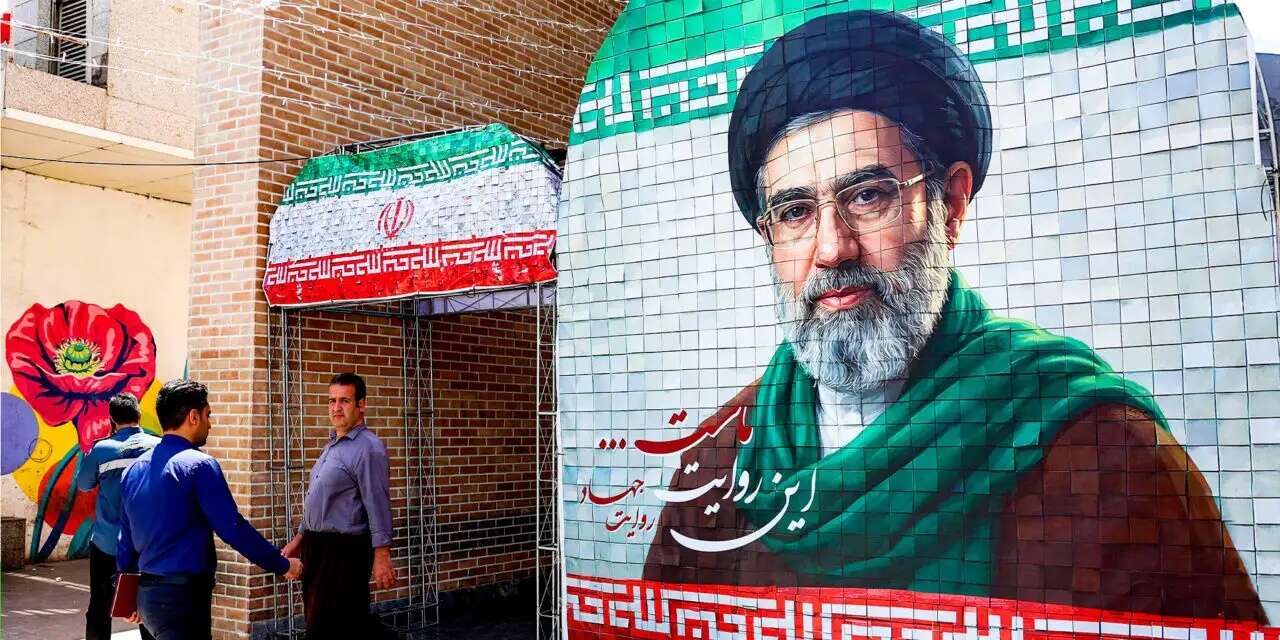
Mojtaba Khamenei. Photo: AFP

Yesterday, Israel Hayom reported on unemployment figures in Iran, which have reached more than 50%, and it turns out that even those who are still employed are earning very little. The US Treasury Department confirmed our report that civil servants are not receiving salaries. According to the information in its possession, entire sectors of self-employed workers, especially those dependent on the internet and advanced industries, have lost significant portions of their income and are, in effect, also unemployed.

The US expressed willingness to open the strait to ships carrying basic goods, and to release Iranian funds frozen abroad, but demanded oversight of those funds to ensure that they are indeed used for humanitarian purposes.

The US Treasury Department further stressed that it is stepping up efforts to locate the accounts and funds of the Islamic Revolutionary Guard Corps in order to take control of them and prevent the IRGC, the body Washington says is blocking an agreement, from using those funds. The Americans believe that when senior IRGC officials struggle to pay salaries to their loyalists and feel the financial pressure, this could lead them to soften their hardline positions.

In Washington, officials expected to receive at least a partial response on the nuclear issue, but a US official told Israel Hayom that the previously reported understandings appear to be the heart of the dispute between Iran's political leadership and senior IRGC officials, and therefore were not formally put in writing.
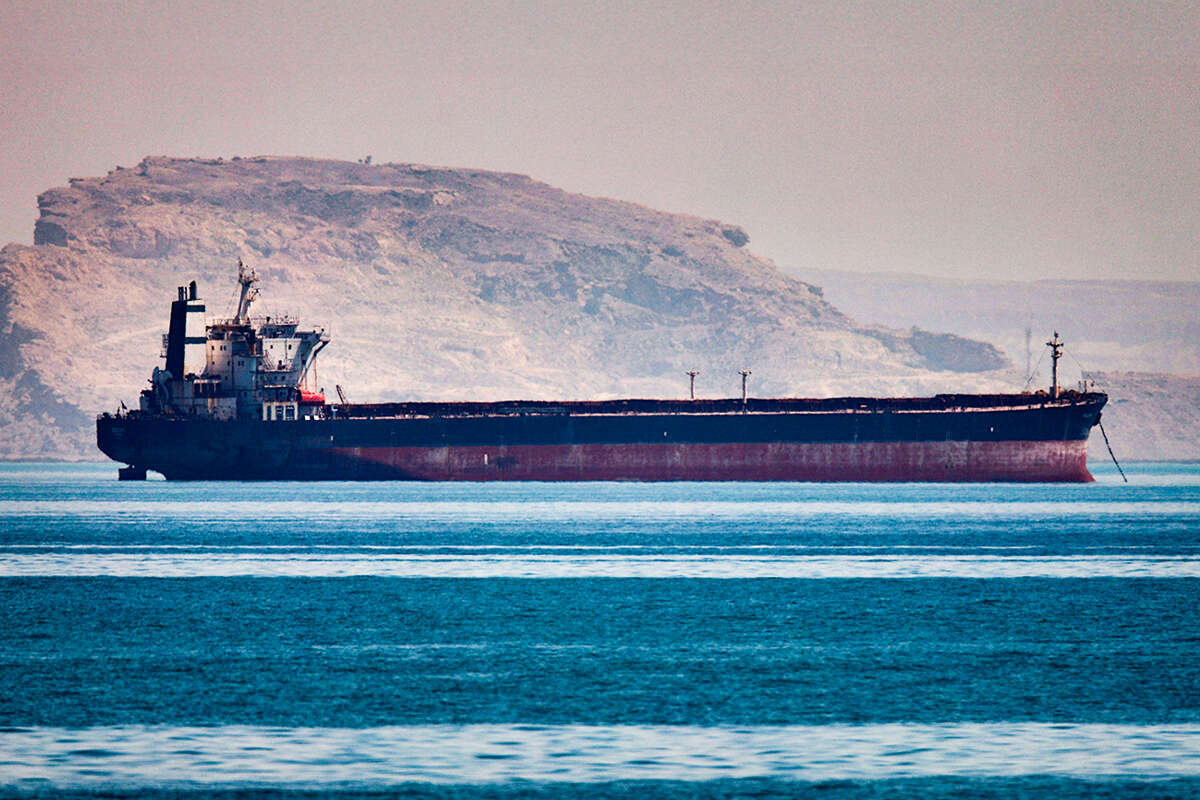
An oil tanker in the Strait of Hormuz. Photo: AP

According to the official, any agreement with Iran will be tested on this issue, and the economic blockade is the best leverage for achieving the central goal of the war: neutralizing the Iranian nuclear threat in the long term.

Because of this disagreement, the White House rejected the request to open the Strait of Hormuz to Iranian ships and tankers, at least until guarantees are received that all parts of the regime will accept the terms under discussion on the nuclear issue.

The Americans are prepared, as stated, to ease the naval blockade and allow the partial passage of tankers and ships transporting wheat and other basic goods, but only if there is a guarantee that agreements reached by the political leadership will not be revoked by commanders of the Islamic Revolutionary Guard Corps.

Tags: IranUS

Related Posts

Regime feels economic squeeze as talks to end war stall

Iran's new demands hold up response to US proposal

by Danny Zaken

Diplomatic officials in the region believe the reason for the delay in Iran’s response is Tehran’s demand to make changes...

US proposal to Iran revealed

US proposal to Iran revealed

by Neta Bar

The Wall Street Journal has revealed the document Washington sent Tehran, which demands that Iran fully divest itself of highly...

Who really dragged whom into the war with Iran?

Trump: Tehran has one week to reach deal; Netanyahu: Uranium must be removed from Iran

by Or Shaked and Lilach Shoval

Netanyahu stressed at the start of the cabinet meeting that Israel and the US were acting in “full coordination” on...

Menu

Analysis 

Archaeology

Blogpost

Business & Finance

Culture

Exclusive

Explainer

Environment


Features

Health

In Brief

Jewish World

Judea and Samaria

Lifestyle

Cyber & Internet

Sports


Diplomacy 

Iran & The Gulf

Gaza Strip

Politics

Shopping

Terms of use

Privacy Policy

Submissions

Contact Us

About Us

The first issue of Israel Hayom appeared on July 30, 2007. Israel Hayom was founded on the belief that the Israeli public deserves better, more balanced and more accurate journalism. Journalism that speaks, not shouts. Journalism of a different kind. And free of charge.

All rights reserved to Israel Hayom

Hosted by sPD.co.il

  • Home
  • News
    • Israel at War
    • Israel
    • United States
    • Middle East
    • Sports
  • Opinions
  • Jewish World
    • Archaeology
    • Antisemitism
  • Lifestyle
    • Food
    • Travel
    • Fashion
    • Culture
  • Magazine
    • Feature
    • Analysis
    • Explainer
    • Environment & Wildlife
    • Health & Wellness
  • In Memoriam
  • Subscribe to Newsletter
  • Submit your opinion
  • Terms and conditions

All rights reserved to Israel Hayom

Hosted by sPD.co.il

Newsletter

[contact-form-7 id=”508379″ html_id=”isrh_form_Newsletter_en” title=”newsletter_subscribe”]

  • Home
  • News
    • Israel at War
    • Israel
    • United States
    • Middle East
    • Sports
  • Opinions
  • Jewish World
    • Archaeology
    • Antisemitism
  • Lifestyle
    • Food
    • Travel
    • Fashion
    • Culture
  • Magazine
    • Feature
    • Analysis
    • Explainer
    • Environment & Wildlife
    • Health & Wellness
  • In Memoriam
  • Subscribe to Newsletter
  • Submit your opinion
  • Terms and conditions

All rights reserved to Israel Hayom

Hosted by sPD.co.il