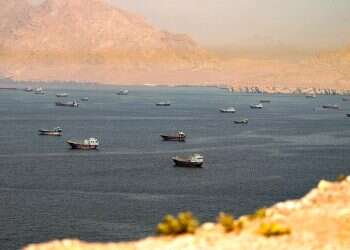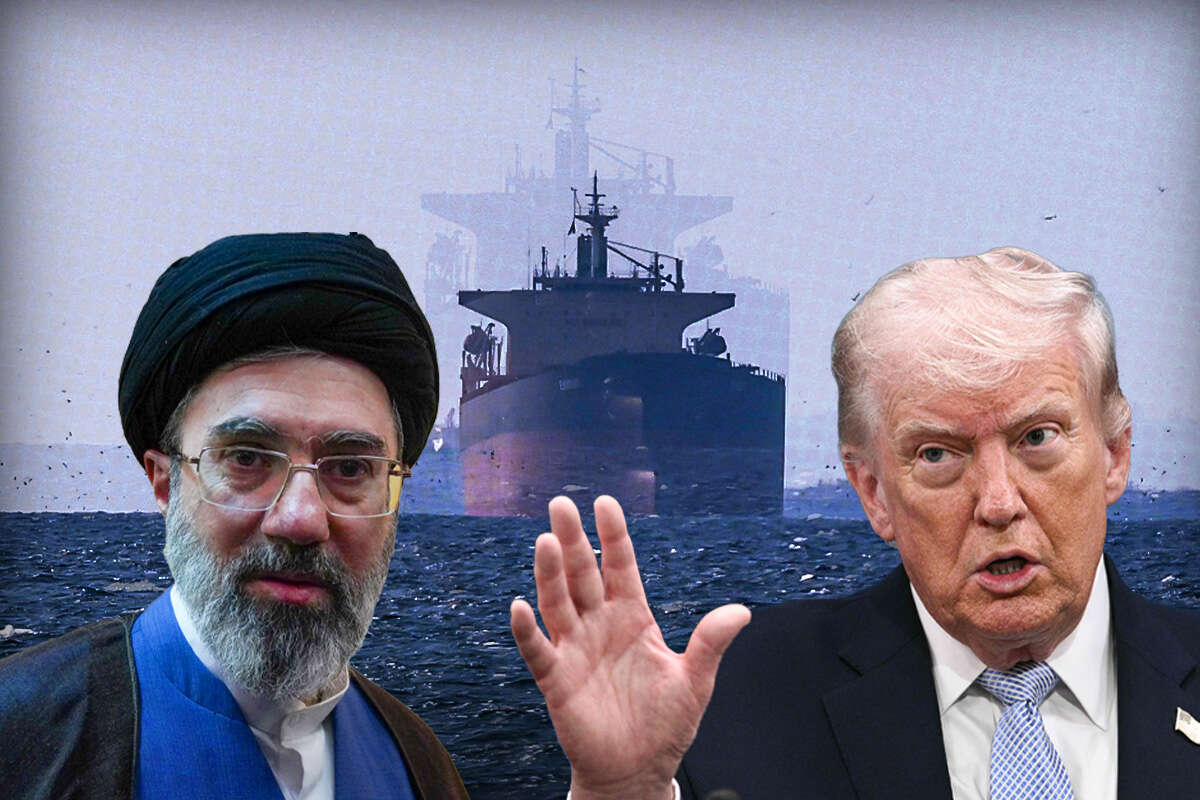
The basis for the American agreement to suspend the continued operation to move ships through Hormuz is the need to ease the humanitarian situation in Iran, as presented by Iran's political echelon, alongside a willingness to make concessions on the nuclear issue.
Two diplomatic sources in the region tell Israel Hayom that the political echelon conducting negotiations with the US submitted a proposal under which the US would release frozen Iranian funds to finance imports of basic goods, pay salaries and address collapsing infrastructure, in exchange for setting a one-month negotiation framework based on concessions on the nuclear issue. According to the sources, some of these clauses appeared in reports on Arab networks several days ago and include a willingness to hand over enriched uranium and refrain from enrichment on Iranian soil for many years.
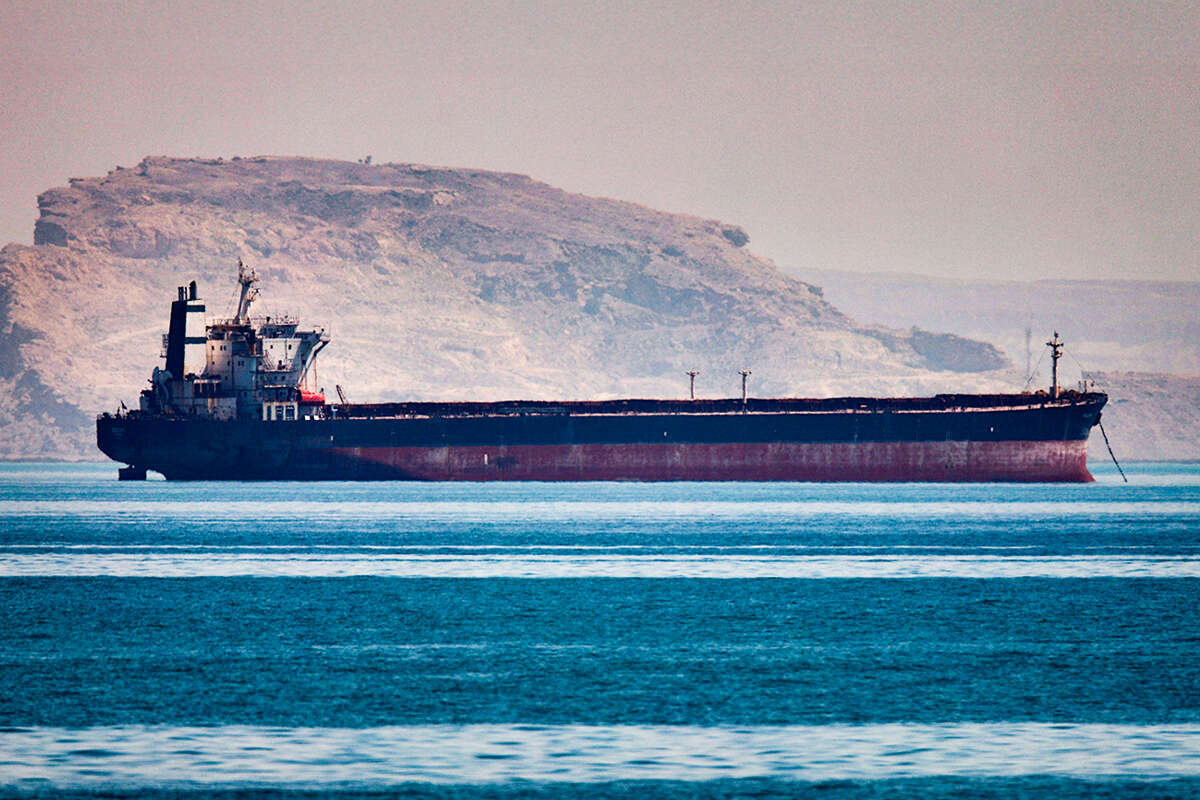
However, the White House refused the request to open the Strait of Hormuz to Iranian ships and tankers, at least until it receives guarantees that all parts of the regime will accept the terms being discussed on the nuclear issue. The Americans are willing to ease the naval blockade and allow the partial passage of tankers and ships carrying wheat and other basic goods, but only if there is a guarantee that agreements reached by the political echelon will not be canceled by commanders of the Revolutionary Guards.
The sides still have other substantial points of dispute, including the payment Iran is demanding from ships that pass through the strait, the issue of missiles, support for regional terrorist organizations and more. Therefore, this is not yet a real foundation for a full agreement to end the fighting, but only the beginning of the process.
The sources say Iran is pressing mainly on the financial aspects due to the collapsing Iranian economy, and that the dispute with the Americans concerns which entity will receive the funds. The Americans are demanding that the government and the president manage the released money, but Iran says this is an internal decision that is not subject to American intervention.
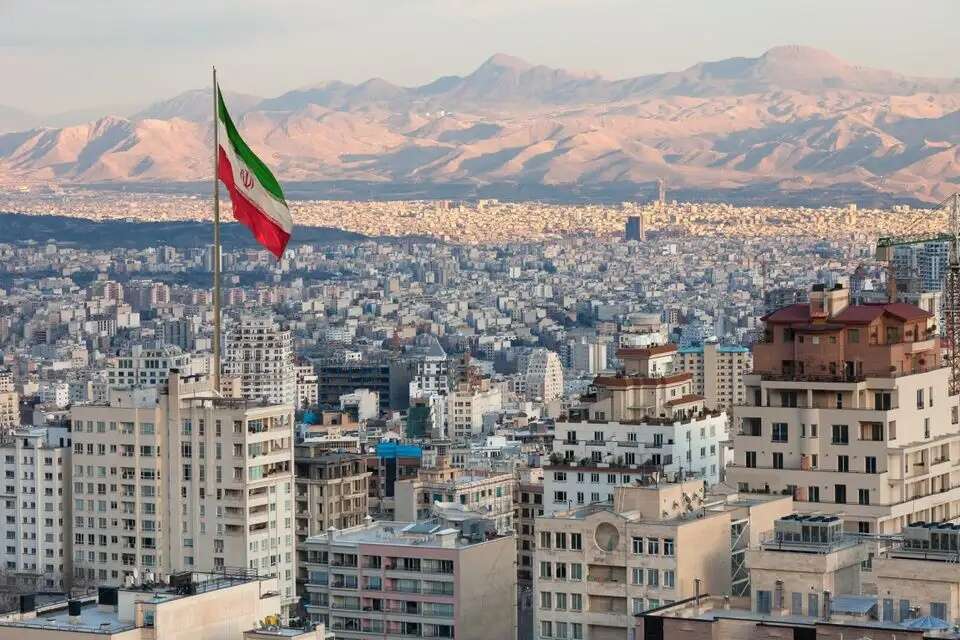
Another minor dispute concerns the location of the talks. The Americans want them to be held in Europe, apparently in Switzerland, while Iran and Pakistan prefer Islamabad.
Following progress in the talks, US President Donald Trump will hold a series of phone calls today (Wednesday) with leaders in the Middle East in light of the developments of recent days. According to a US official, the list includes, among others, Prime Minister Benjamin Netanyahu, Mohammed bin Zayed, Mohammed bin Salman and the emir of Qatar.