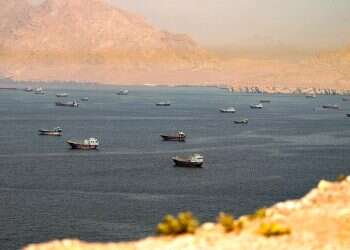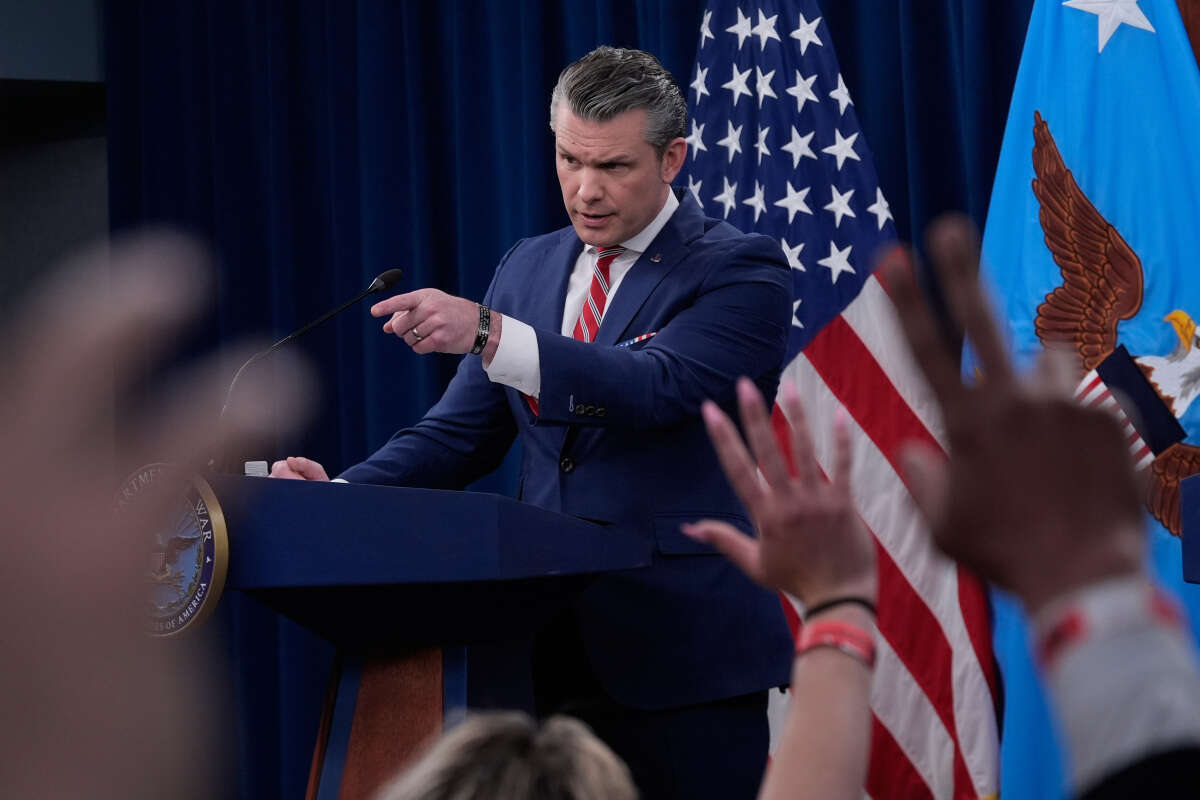
The US military's efforts to reopen the Strait of Hormuz to commercial traffic are "separate and distinct" from Operation Epic Fury, Defense Secretary Pete Hegseth stated during a Monday press briefing.
Regarding the mission to escort merchant vessels through the waterway, which has seen significant closures due to the ongoing confrontation, Hegseth remarked, "Project Freedom is defensive in nature, focused in scope and temporary in duration, with one mission: protecting innocent commercial shipping from Iranian aggression," The Wall Street Journal reported.
The administration of President Donald Trump has maintained that the active war concluded on April 7 following a ceasefire agreement – even though a naval blockade of Iranian ports persists and thousands of US troops remain stationed in the region. Defense Secretary Pete Hegseth confirmed that a pair of US commercial vessels and American destroyers have successfully navigated the Strait of Hormuz, while adding that hundreds of other global ships are currently awaiting passage.
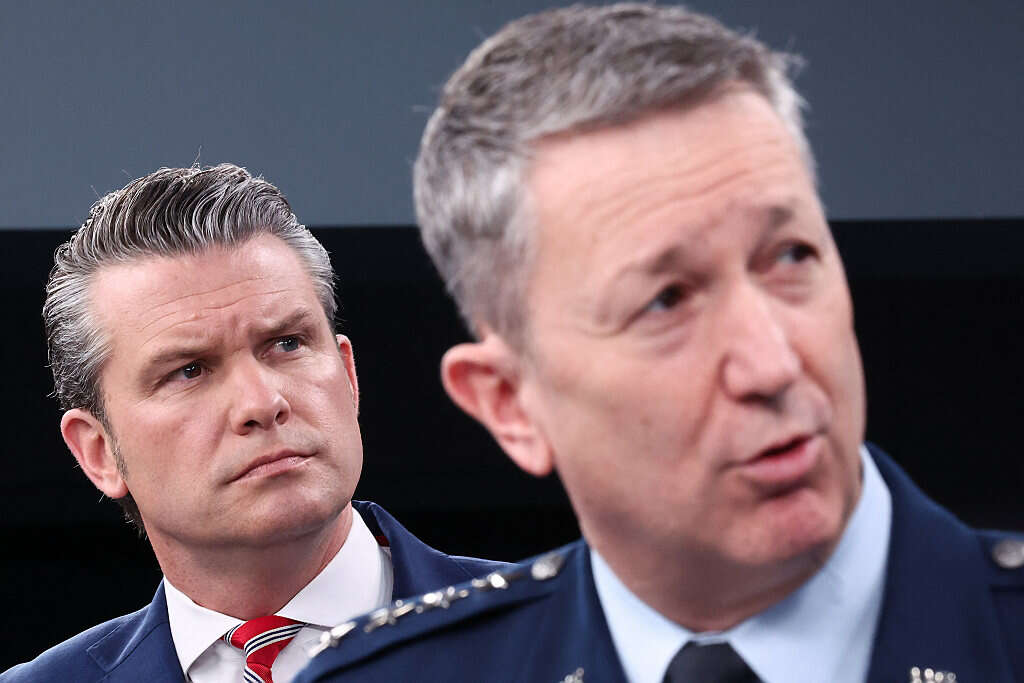
"Two US commercial ships, along with American destroyers, have already safely transited the Strait, showing the lane is clear," Hegseth stated. He added, "We know the Iranians are embarrassed by this fact. They said they control the Strait. They do not." The Pentagon has assessed that Iranian military provocations since the truce – which include the seizure of two vessels and firing upon merchant ships – do not yet constitute a resumption of full-scale war.
During the briefing, Chairman of the Joint Chiefs of Staff Gen. Dan Caine noted that Iran has targeted commercial ships nine times and attacked American forces on more than 10 occasions since the ceasefire. However, Caine described these maneuvers as "all below the threshold of restarting major combat operations at this point."
The Trump administration argues the conflict ended with the April 7 agreement, a legal position that allows it to continue regional operations without seeking a new mandate from Congress under the 60-day limit. "No adversary should mistake our current restraint for a lack of resolve," Caine warned during the press conference.
Caine further detailed that more than 100 aircraft – including manned fighters and drones – are patrolling the Strait of Hormuz around the clock. "These forces are comprised of over 15,000 American service members, and have established localized air and sea control to protect against Iranian threats," Caine stated in the report.
Hegseth said that the US has "established a powerful red, white and blue dome over the Strait," though he provided few specific details on the technical nature of the coverage. "American destroyers are on station, supported by hundreds of fighter jets, helicopters, drones, and surveillance aircraft, providing 24/7 overwatch for peaceful commercial vessels, except Iran's, of course," Hegseth stated. He noted that six vessels attempting to exit Iranian ports were forced to turn back as Project Freedom began. "So right now the ceasefire certainly holds, but we are going to be watching very, very closely," the defense secretary added.
Video: In the skies over the Strait of Hormuz – US CENTCOM Commander General Bradley Cooper flies an Apache helicopter. Credit: CENTCOM
Hegseth explained that the volatility seen in the last 24 hours was anticipated by the administration as the mission to escort ships through the Strait commenced. "Ultimately, this is a separate and distinct project, and we expected there would be some churn at the beginning, which happened. And we said we would defend and defend aggressively, and we absolutely have. Iran knows that," he said.
Gen. Dan Caine characterized the current Iranian military activity as "more low harassing fire right now," and noted that determining when the war officially resumes is "a political decision above my pay grade." Caine added, "It feels like Iran is grasping at straws."
Discussing the efforts to clear the maritime traffic jam, the defense secretary criticized nations, including South Korea and several European allies, for failing to provide military aid. "We hope South Korea would step up, just like we hope Japan would step up, just like we hope Australia would step up, just like we hope Europe steps up," Hegseth said at the Pentagon briefing. He emphasized, "But we're not waiting for them to do so."
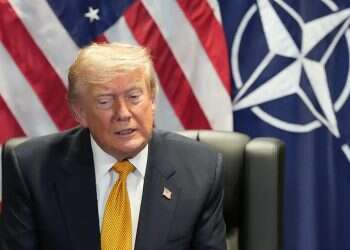
Following an Iranian attack on a South Korean cargo ship that resulted in an onboard explosion, President Donald Trump used social media on Monday to urge Seoul to join the mission. While the president has asked NATO allies for warships, none have complied in the absence of a permanent peace.
"Ultimately, this waterway is, as I said, far more crucial to the rest of the world, and they need to have the ability to defend it," Hegseth stated, noting that despite President Donald Trump's appeals to NATO allies to assist in opening the Strait of Hormuz, which carries 20% of global oil, no nation has yet committed its naval assets.