Israel Hayom is a media organization founded on the belief that the Israeli public deserves better journalism—more balanced, more accurate, and more reliable. Journalism that speaks rather than shouts. Journalism that is trustworthy, objective, and matter-of-fact. A different kind of journalism, offered free of charge.
The first print edition was published on July 30, 2007, and in 2010 Israel Hayom became the Israeli newspaper with the highest weekday readership. The newspaper’s publisher is Dr. Miriam Adelson. Its Editor-in-Chief is Omar Lachmanovitch, and its founding editor is Amos Regev.
Israel Hayom’s Hebrew and English websites, as well as its Android and iOS applications, provide around-the-clock news coverage, exclusive content, breaking news and updates, analysis and commentary, video, podcasts, and live broadcasts.
The digital platforms of Israel Hayom include news and opinion channels covering culture and entertainment, lifestyle, technology, sports, business and consumer affairs, health, military affairs, food, Judaism, tourism, and automobiles.
In 2021, a new Hebrew-language website and mobile application were launched to provide users with a fast, up-to-date, secure, and convenient experience.
The content of the newspaper’s print edition is also available online through a daily digital edition and can be received via newsletter.
“The Israel Hayom Clique,” the publication’s exclusive benefits club, offers website users discounts and special promotions on products and services.
Israel Hayom welcomes feedback, criticism, and suggestions for improvement from its readers. You can contact the organization by email at hayom@israelhayom.co.il
Trump chooses middle path as Hormuz attacks test US policy on Iran
Administration officials told The Wall Street Journal that the president had struggled for days with conflicting impulses over how to deal with Iran. People close to him said they believed Trump would carry out a major strike inside Iran.
US President Donald Trump announced Operation Freedom in the Strait of Hormuz after he did not decide on striking Iran following the collapse of negotiations and continuing the blockade, The Wall Street Journal reports.
Officials said Trump had wavered for days between two competing impulses: severely punishing Iran for its refusal to abandon its nuclear program, and avoiding a major escalation that could draw the US deeper into a Middle East conflict. Trump wants to avoid a new bombing campaign, officials said, and prefers a negotiated end to Tehran's nuclear progress and the war that has driven up gas prices and harmed the global economy.
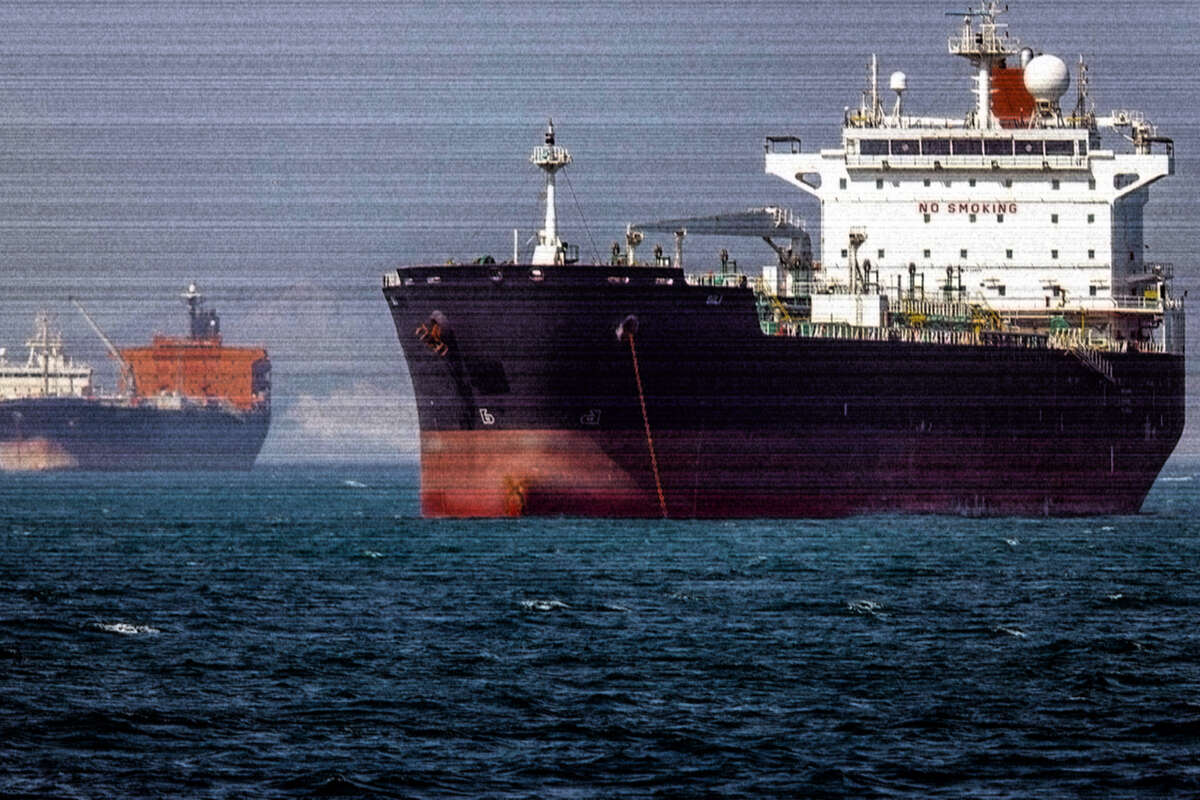
Oil tankers in the Strait of Hormuz. Photo: AFP
In several recent conversations with aides, Trump expressed frustration that the US blockade of the Strait of Hormuz, though effective in crushing Iran's economy, had not forced Tehran to meet his nuclear demands. He considered a series of military options, officials said, ranging from striking the remaining 25% of Iranian sites on the Pentagon's target list to authorizing naval escorts for tankers through the critical waterway.
Instead, Trump approved the latest plan to provide commercial ships with detailed information that would allow them to pass safely through the Strait of Hormuz. The decision was seen as a middle path between all-out war and a blockade, following a meeting with senior Pentagon officials last week. The operation, known as Project Freedom, began on Monday without any commitments from allies to help, after US diplomats were sent to ask their foreign counterparts just five days earlier.
Several US and foreign officials said they believed Trump was likely to approve a military response to Iran within days, although analysts noted the president's apparent dissatisfaction with the new airstrikes.
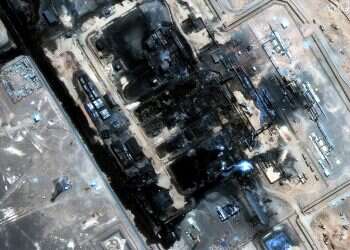
Satellite imagery released late Sunday revealed a heavily charred pumping station along the 745-mile East-West pipeline after terrorists' unmanned aerial...