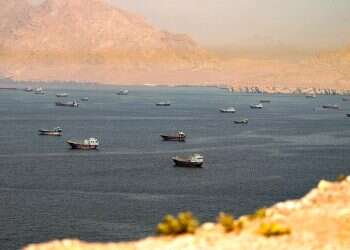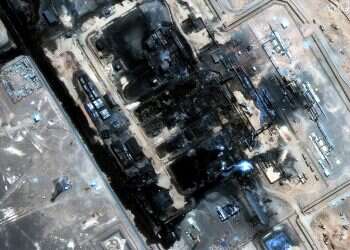
The escalation in the Persian Gulf in recent days threatens to bring about a full resumption of the war, although both Iran and the US have made clear they are not eager for that scenario.
The Iranian response to the US operation to move ships through the Strait of Hormuz surprised the West. The Iranians chose not to settle for firing at vessels passing through the strait, and also directly attacked the United Arab Emirates, the country that has absorbed the heaviest Iranian fire throughout the war because of its ties with Israel and its firm policy against Tehran.

Iran's focus on the southern port of Fujairah points to a strategic intention to disrupt activity at the port, which bypasses the need to sail through the Strait of Hormuz. The Americans and Israel are now holding intensive consultations on the nature of the response and on assistance to their loyal ally. According to three officials familiar with the matter, the most likely options include targeted strikes on launchers and military targets threatening the strait, or a parallel strike on an Iranian energy facility in response to the attack on Fujairah.
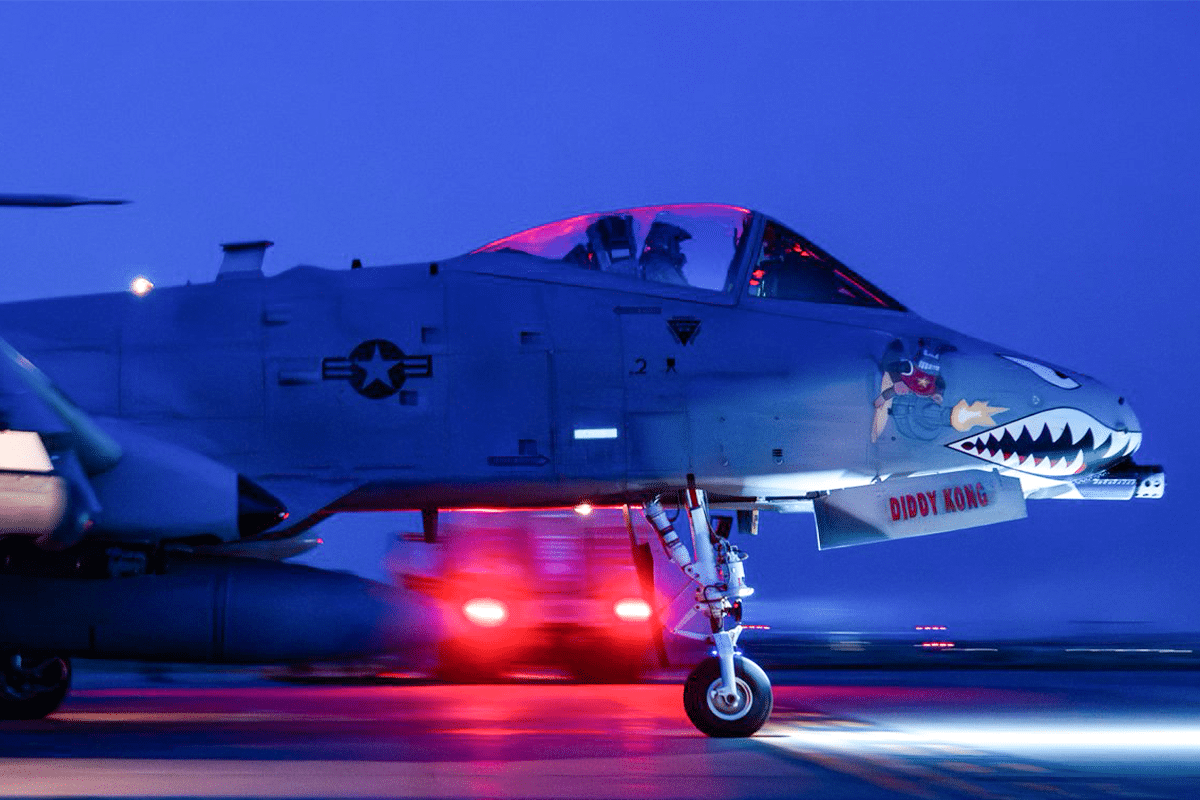
Meanwhile, US President Donald Trump sent an especially forceful message, making clear that Iran would be "wiped off the face of the earth" if it dared attack American vessels taking part in "Project Freedom," the operation to reopen the strait. Trump stressed that the buildup of US forces in the region was continuing at all times.
Erosion of Iranian capabilities
Despite the threats, the US intention is to continue the operation to reopen the strait. The commander of US Central Command, Adm. Brad Cooper, said vessels representing 87 countries were in the Gulf, calling them "neutral and innocent bystanders." He said contact had been made in the past 12 hours with dozens of shipping companies in an effort to encourage the flow of traffic through the narrow trade corridor, while providing close security by US forces.
Cooper ordered his forces at sea and in the air to prevent threats to ships, both through active defense and offensive action against attack boats and missile launch sites on the Iranian coast, a move that constitutes a significant change in the rules of engagement. Cooper said cruise missiles and unmanned aerial vehicles had been aimed mainly at commercial shipping, but all were intercepted. He added that small boats moving toward merchant ships had been sunk by Apache and Seahawk helicopters.

The admiral stressed that there had been a real decline in Tehran's operational capabilities. "Usually you see between 20 and 40 small boats in a wave that goes out. Today we saw only six, and we eliminated them quickly. This is a clear example of the erosion of their capabilities," he said. However, a US official told Israel Hayom that despite the determination to secure the shipping lane and maintain the naval blockade on Iran, there was no intention of being dragged into a full resumption of the war.
Israel, for now, is watching events from the sidelines, but the Israeli Air Force's readiness for defense and attack has been restored to the highest level. The assessment in Israel's security establishment is that the confrontation will remain "contained" in the Gulf area and will not spill over into Israel. At the same time, contacts with the United Arab Emirates are continuing on two tracks: intelligence assistance and help with active defense.
According to foreign sources, an Iron Dome battery sent to the UAE even took part in the interception of the latest Iranian fire. Despite the tension, Israel is not expected to take proactive action against Iran unless it receives an explicit request from the Americans. Because Washington prefers to prevent the fighting from expanding, Israel remains, for now, in a tense waiting position.