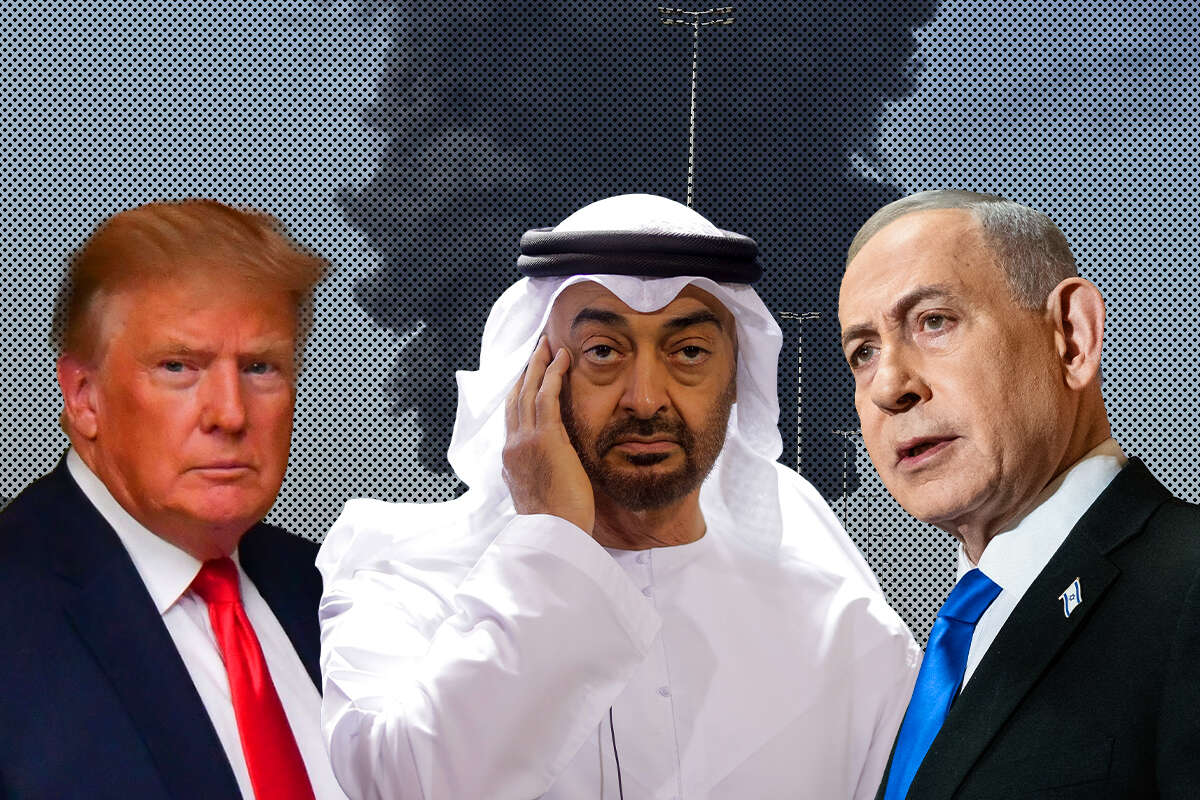
Prime Minister Benjamin Netanyahu has spoken in recent days with several Gulf leaders, including United Arab Emirates President Mohammed bin Zayed, to coordinate positions regarding the situation with Iran.
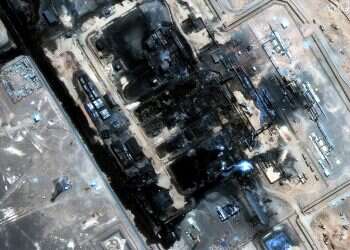
The United Arab Emirates is now taking Iranian fire after Tehran failed to keep the Strait of Hormuz closed.
Netanyahu briefed US President Donald Trump on his talks, and according to diplomatic officials from the region, beyond policy coordination and discussions of possible responses, the talks also addressed tightening security cooperation.
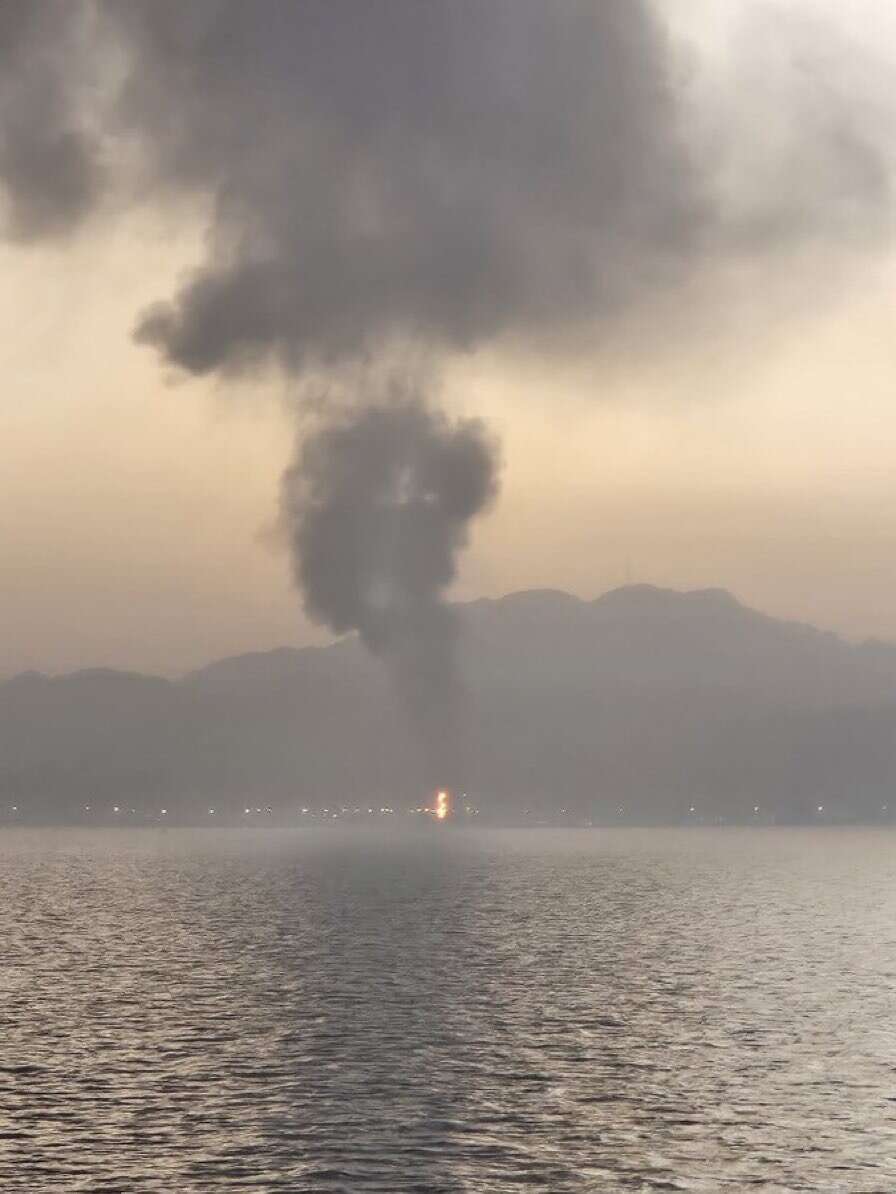
According to various reports and analysis of footage of interceptions over UAE skies, the Iron Dome system deployed there with Israeli teams intercepted at least some of the missiles fired at the Emirates. In Netanyahu's recent talks with Gulf leaders, the groundwork is also being laid for deepening security cooperation in a way that is far more extensive than in the past.
The US, along with Israel, is debating how to respond to the fire on the Emirates, while Iran's political leadership is trying to make clear that extremists in the Islamic Revolutionary Guard Corps were responsible for the attacks.
Downgrading the Iranian statement
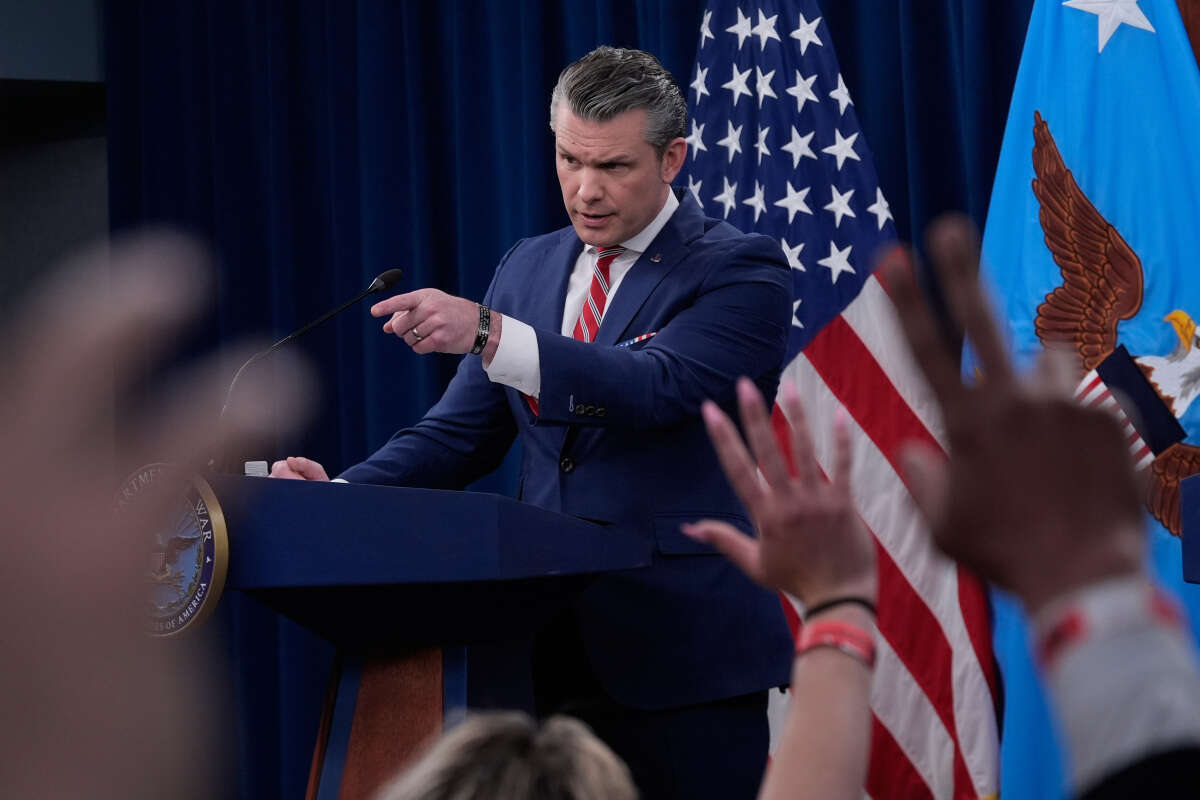
President Trump, and especially War Secretary Pete Hegseth, downgraded the nature of the Iranian response in their remarks Tuesday. According to Hegseth, it still had not crossed the threshold of violating the ceasefire.
"They attacked American assets in 10 instances, but below the threshold for reopening the military conflict," he said.
According to the diplomatic sources, the US message to Iran's political leadership was that continued fire at the Emirates would ultimately require a harsh American response.
As reported in Israel Hayom, consultations between the US and Israel have included consideration of strikes on energy facilities, alongside missile and drone launchers positioned in western Iran opposite the Gulf. For now, the Americans, as well as Israel, prefer not to reach the point of renewed fighting, but do want to intensify the move to transfer ships and tankers through Hormuz after Monday's successful pilot.
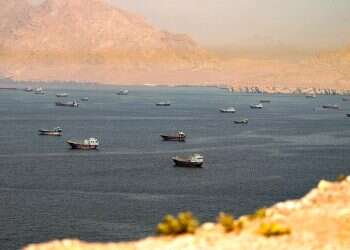
US warships are passing through the strait almost without disruption, after several war boats belonging to the Revolutionary Guards' navy were destroyed Monday and attempts to fire missiles at the Americans were intercepted.
Alongside the military move, the Americans and Gulf states are pressing major maritime transport companies to send ships into the strait, while promising to secure them. The Iranians tried to strike ships passing through, and on Monday hit a tanker south of Hormuz, but most other ships passed through unharmed.
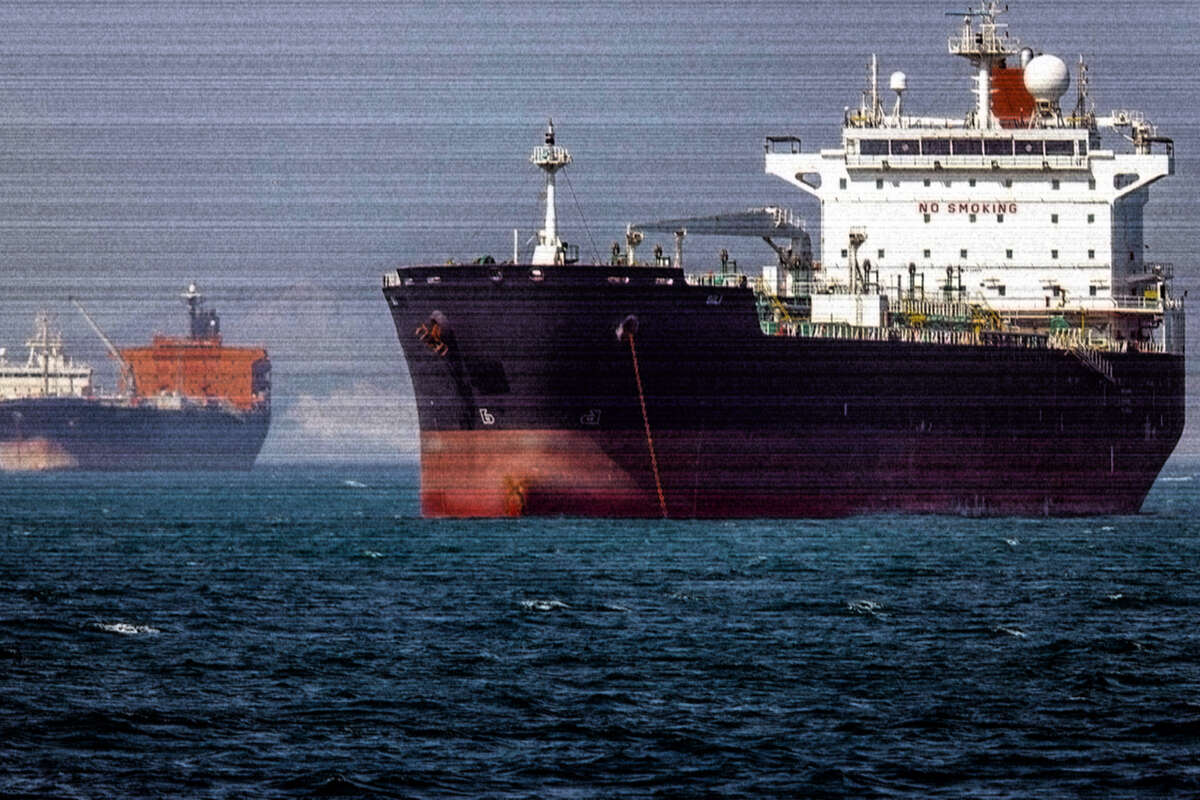
Danish shipping giant Maersk has already reported that a tanker and a cargo ship passed through the strait, and the assessment is that others will follow. The Americans are deploying all their capabilities, together with the Gulf states, in an effort to prevent damage to these ships. The concern is that if a ship is hit, the others will turn back.
Internal embarrassment in Iran
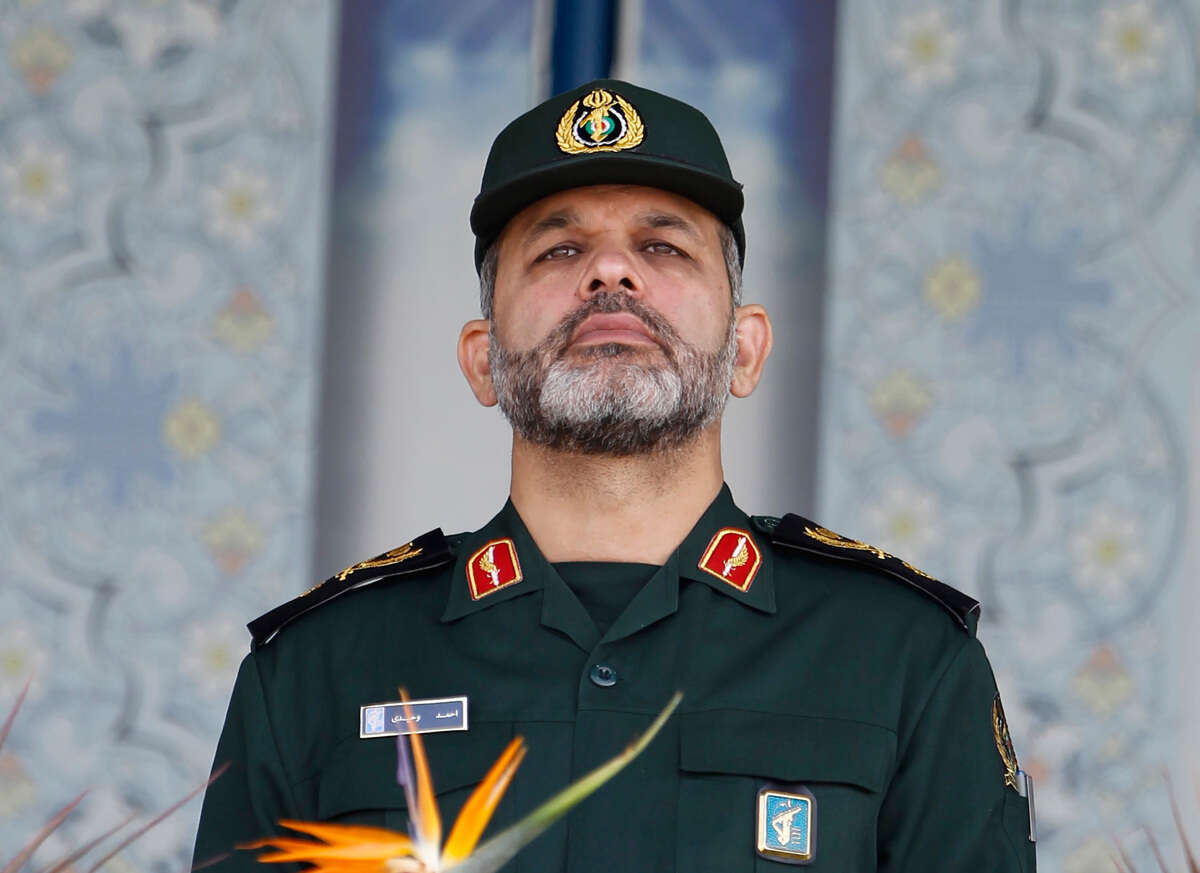
The diplomatic sources said disagreements within Iran's leadership were intensifying after Arab social media networks published the wording of an Iranian response in contacts with the US. According to the sources, the wording was fairly close to what the Iranians were saying in direct contacts, but some Revolutionary Guards commanders opposed it. Because of that opposition, the political echelon was forced to publicly deny the document.
A US official familiar with the details of the economic blockade and its impact on Iran said that in theory, the Iranian regime could continue for several more weeks and even longer, but the cumulative damage to the economy was enormous and the economic situation of the country's citizens was continuing to deteriorate.
"The moment will come when the economic pressure rises from below and forces the commanders to seek an end," he said.
He acknowledged that rising oil prices in the US were putting pressure on the administration, but said the increase was far more moderate than originally feared. He added that the more tankers pass through the strait and the more oil is transferred through bypass routes, the more the price will fall again.