As expected, the United States is rejecting outright the idea included in Iran's proposal to declare an end to the war, open the straits and only then discuss the nuclear issue, two officials familiar with the matter tell Israel Hayom.
According to the officials, Washington believes that as part of the contacts with Iran, which have not stopped, another proposal will soon be placed on the table, one much closer to the US terms. This is being driven by the strategy of economic pressure, which is bringing Iran to the brink of collapse, including international default, with the halt to oil exports at the center.
The strategy is based on assessments by official US figures involved in the economic campaign against Iran, according to which, under the current situation, within 10 days Iran will be forced to shut down production at some of its oil fields, and within three weeks nearly all oil production will stop. The reason is the almost total halt to Iranian exports by sea tankers, along with reservoirs and giant storage tanks that are already nearly full.

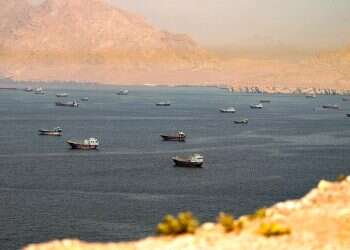
Iran produces 1-2 million barrels per day, and with no ability to ship the oil overseas, the crude is now being transferred to giant storage facilities, including old reservoirs that had been closed because they were considered dangerous and poorly maintained. Most Iranian tankers in the Gulf are already completely full, and according to US assessments, the available storage space for oil is filling up.
While the surviving IRGC Leaders are trapped like drowning rats in a sewage pipe, Iran's creaking oil industry is starting to shut in production thanks to the U.S. BLOCKADE.
Pumping will soon collapse.
GASOLINE SHORTAGES IN IRAN NEXT! https://t.co/Czgy9VsHBO
— Treasury Secretary Scott Bessent (@SecScottBessent) April 27, 2026
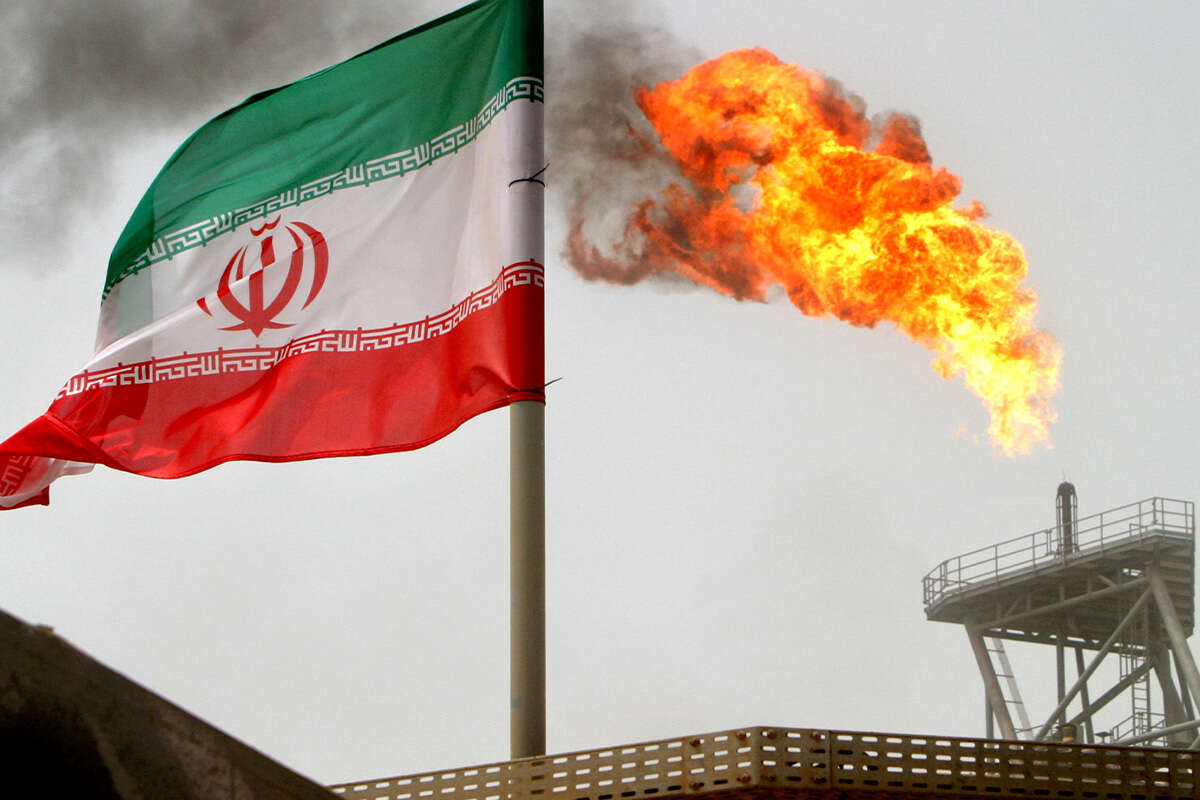
Recent satellite images from the past several days confirm that Iran's oil industry, the backbone of the Islamic Republic, has come to a near-total halt. Under the heavy pressure of an unprecedented US naval blockade, Iran is close to beginning the closure of active oil wells, a move that would mean not only an immediate financial loss, but also strategic damage that could last for decades.
Shutting down oil wells is a process with devastating consequences. "An oil well is not a faucet that can be turned off and on at the push of a button," according to a publication by FGE (Facts Global Energy). "The underground pressure changes created by the shutdown could cause water to enter the reservoirs and destroy them permanently. Even if the blockade is lifted tomorrow, Iran will need years of work and billions of dollars to restore production capacity to its previous level."
The numbers behind the well shutdowns paint a picture of economic collapse. Iran is losing estimated revenues of at least $435 million every day. Tehran and other major cities are already reporting price jumps of dozens of percent for basic goods, a severe cash shortage and paralysis in the financial markets. Layoffs are widening across all sectors, and unemployment in the energy sector, which employs hundreds of thousands of workers, is expected to reach new highs in the coming weeks.
However, the consequences of the continued blockade are being felt worldwide because of the closure of Hormuz. Although the United Arab Emirates and Saudi Arabia are exporting about half of their usual exports through alternative routes, the price of oil has climbed above $100 per barrel. Japan, which is heavily dependent on Gulf oil, has lowered its growth forecast, while China, which bought a large share of its oil from Iran, has been badly hurt by the halt. Israel Hayom reported on Chinese pressure on Iran to reach understandings with the US, alongside a threat that if it does not do so, Beijing will cancel the strategic agreement between the two countries.

The blockade also hurts exports of agricultural fertilizers, with immediate consequences. In India, China and the Far East more broadly, there are concerns over the future of the next rice harvest because of the shortage of fertilizers. This means expectations of a global shortage of this basic commodity, and fears of actual hunger in countries where it is a staple food, particularly in Asia.
But as noted, the US intention is to continue the economic pressure, including additional sanctions on companies and entities maintaining commercial ties with Iran. Over the past week, sanctions were imposed on 40 shipping companies and vessels that assisted the activity of Iran's "shadow fleet," which smuggled oil to the East. Sanctions were also imposed on refineries in China, the largest buyer of Iranian oil. The US revoked a temporary waiver granted to India and other countries for the purchase of Iranian oil.
Economic sanctions were also imposed on entities and companies in Turkey, the United Arab Emirates, Qatar and Iran itself that were involved in obtaining components for Iran's missile industry. In the financial sphere, the US is locating and freezing foreign accounts belonging to Iranian banks and companies. As part of this effort, an account containing about half a billion dollars in cryptocurrencies was frozen after being identified as linked to Iran's Quds Force and Hezbollah.
Bessent warned that any business activity with Iranian companies, including airlines, risks US sanctions. "Foreign governments should take all necessary actions to ensure that companies in their jurisdiction do not provide services to these aircraft, including jet fuel supplies, catering, landing fees or maintenance."
Bessent said the Treasury Department "will not hesitate to act against any third parties that facilitate or conduct business with Iranian entities."